Widespread protests have erupted across Iran, triggered by a severe currency meltdown and soaring inflation. The rial's collapse to record lows has made daily life unaffordable, sparking demonstrations by traders and citizens in several cities.
Iran witnessed its most widespread protests in three years on Monday after its battered currency plunged to record lows and the country's central bank chief resigned, exposing the depth of the economic crisis facing ordinary citizens.
Crowds of angry traders and shopkeepers took to the streets in Tehran, while similar scenes were reported in several other cities, signalling that frustration is no longer limited to just political activists.
Streets Turn into Flashpoints Across the Country
Demonstrations began in key commercial hubs of Tehran, including Saadi Street and the Shush area near the historic Grand Bazaar, areas that have traditionally played a major role in Iranian protest movements.
Related Articles

Within hours, the unrest spread to cities such as Isfahan, Shiraz and Mashhad. In parts of the capital, police were seen using tear gas to control crowds as shopkeepers downed shutters and urged others to join the strike.
Currency Crash Breaks the Back of Small Businesses
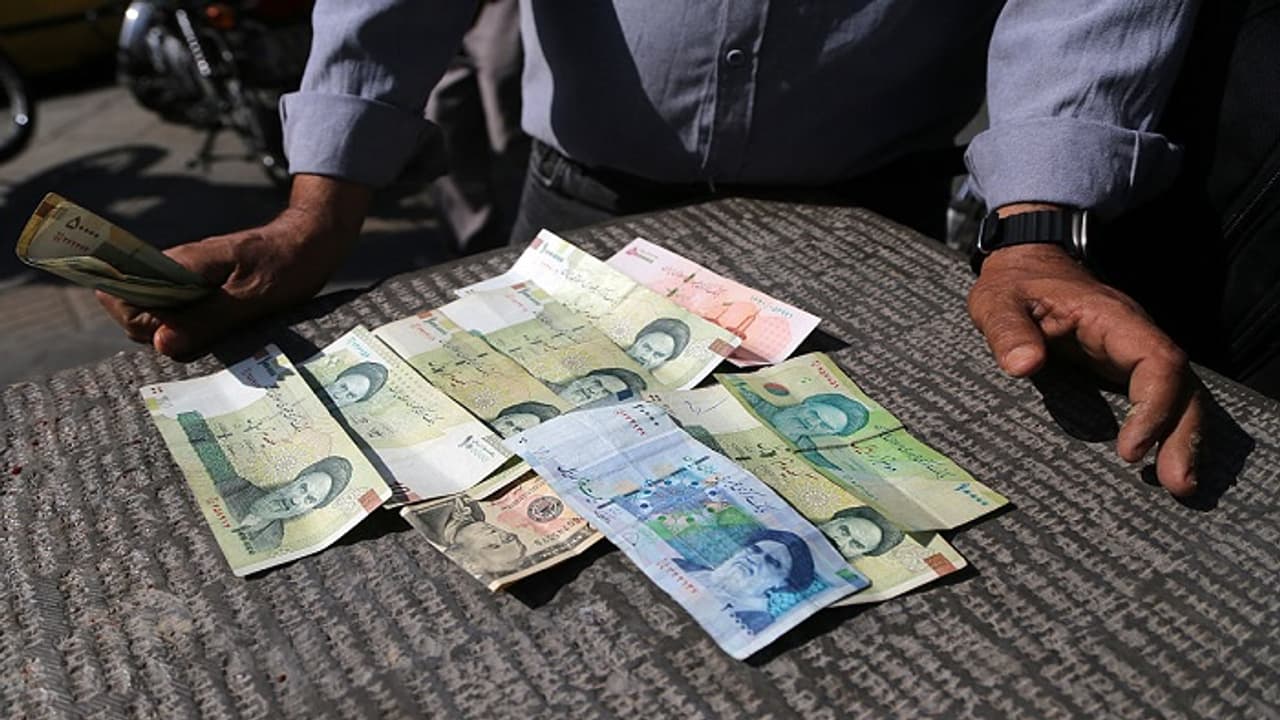
At the centre of the turmoil is the free-falling rial. The currency slipped to an unprecedented 1.42 million per US dollar on Sunday before recovering slightly to around 1.38 million on Monday.
When Mohammad Reza Farzin became the central bank governor in 2022, one dollar was worth about 4.3 lakh rials. His resignation this week has come to symbolise how badly the economy has deteriorated in such a short time.
Inflation Makes Daily Life Unbearable
The collapsing rial has made everything from groceries to medicines painfully expensive. Official figures show inflation touched 42.2 per cent in December, with food prices jumping 72 per cent over the past year and medical expenses rising 50 per cent.
Many economists now warn that Iran is moving dangerously close to hyperinflation, especially after recent fuel price changes pushed up transport and daily living costs.
Tax Hike Fears Add to Public Anger
Reports in Iranian media that the government may raise taxes from the new year beginning March 21 have added to the sense of panic. For families already struggling to make ends meet, the prospect of higher taxes has only deepened resentment toward the authorities.
A Painful Reminder of the 2022 Uprising
These protests are the largest since the nationwide unrest that followed the death of Mahsa Jina Amini in police custody in 2022. While the current wave is driven more by economic pain than social restrictions, the underlying frustration remains the same, a feeling that life is becoming increasingly unaffordable.
Sanctions and War Fears Darken the Outlook
Iran's problems are also being worsened by renewed international sanctions and growing regional tensions. The UN recently reinstated nuclear-related penalties, freezing Iranian assets and restricting arms trade.