India prepares a massive sovereign credit guarantee scheme to protect struggling industries from the economic fallout of the Middle East war, offering banks security on loans to keep businesses afloat.
The Indian government is preparing a sovereign credit guarantee package worth $26.7 billion, nearly Rs 2.5 lakh crore, to support businesses hit hard by the ongoing Middle East conflict. The scheme, modeled on the Emergency Credit Line Guarantee Scheme (ECLGS), will run for four years and provide a 90 percent guarantee on loans, covering losses if borrowers default.
Officials say the plan mirrors measures taken during the COVID-19 pandemic, when similar guarantees were extended to banks. This new package is expected to cost the government between Rs 170 billion and Rs 180 billion ($1.83 billion to $1.94 billion). Loans of up to Rs 1 billion ($10.75 million) will be covered under the scheme, with the National Credit Guarantee Trustee Company (NCGTC) managing the guarantees.
Textile Industry Faces Mounting Pressure
Industries dependent on exports, particularly textiles and glass, have been severely impacted. India’s $174‑billion textile sector is grappling with surging crude oil prices, rising raw material costs, sluggish demand, and worker migration. The industry had been projected to reach $350 billion by 2030, but the war has disrupted that growth trajectory.
Related Articles

The government’s move aims to provide breathing space for these sectors, which are struggling to maintain operations amid global economic uncertainty.
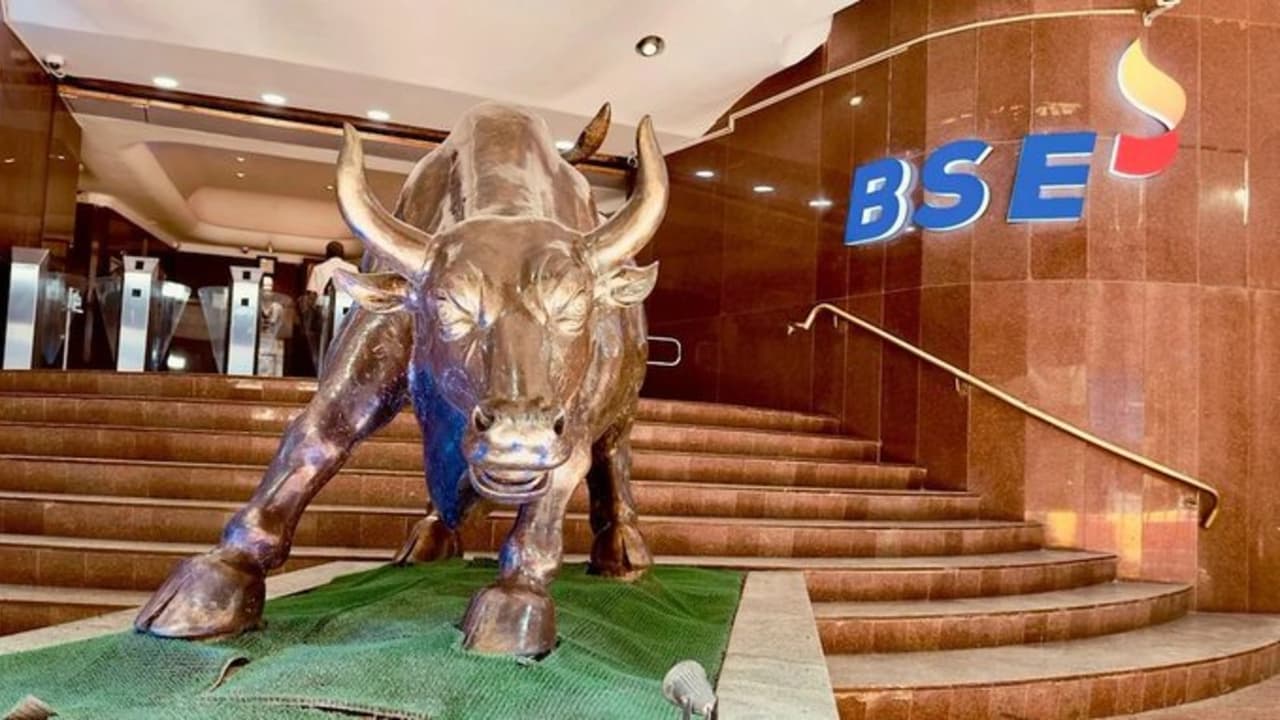
The Indian stock market has also felt the strain. March proved especially volatile, with a broad sell‑off in equities during the January to March quarter. The Nifty index dropped as much as 13 percent, reflecting investor concerns over the crisis and its ripple effects on the global economy.
The sovereign guarantee scheme is expected to stabilize lending and reassure banks, ensuring that businesses can access funds despite heightened risks. While the war continues to disrupt trade and supply chains, the government hopes this intervention will prevent deeper economic damage and keep industries afloat during turbulent times.