
Gati Shakti Vishwavidyalaya and DGCA signed an MoU to formalize education for Aircraft Maintenance Engineers (AMEs). This addresses workforce needs amid rapid aviation growth and resolves career progression issues for skilled but uncertified AMEs.
Partnership to Bolster Aviation Workforce
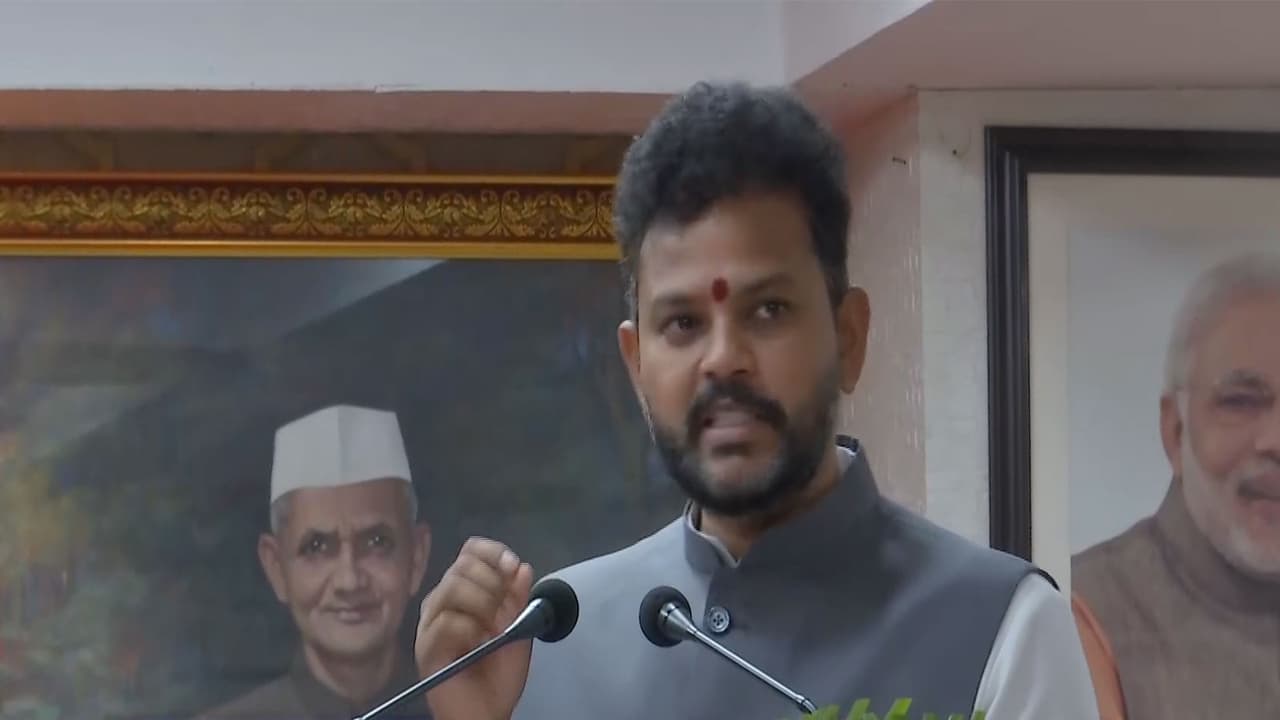
Gati Shakti Vishwavidyalaya signed a Memorandum of Understanding (MoU) with the Directorate General of Civil Aviation (DGCA) in the presence of Union Ministers Ashwini Vaishnaw and Ram Mohan Naidu on Monday to address the growing workforce requirements of India's aviation sector. The partnership focuses on formalizing the education of technical personnel, specifically Aircraft Maintenance Engineers (AMEs), ensuring the industry meets global standards during its current phase of rapid expansion.
Union Minister of Civil Aviation Ram Mohan Naidu, speaking at the event, highlighted the significant growth of the sector over the last 12 years. "Under the visionary leadership of our honorable Prime Minister, Shri Narendra Modi ji, we all have witnessed tremendous success in the last 12 years especially, and what has started as a mantra, and the moment where we wanted aviation to be not just an exclusive sector for travel, but an inclusive sector for travel, and where we have doubled all the parameters that we see in," he said. He noted that the industry is no longer an exclusive travel option but has become an inclusive one, with a doubling of operational airports and aircraft fleet.
"When you see the sector growing with such great pace then you have to build up the workforce also accordingly so that your workforce is also of the global standards," Naidu stated. He emphasized that the goal is to create a seamless multimodal connectivity framework where departments like highways, railways, and airports "talk to each other" from the foundation of every major project.
Addressing Career Bottlenecks for AMEs
A primary objective of the MoU is to resolve professional bottlenecks faced by maintenance staff. Naidu explained that while Indian AMEs possess high-level skills, they often lack formal degrees, which restricts their career progression.
"The major feedback that we got from these AMEs who are getting trained through the approved organizations is that they're not having any specific degree even though they have one of the best skills to handle the aircraft to handle the maintenance to handle the repair of the aircraft," he said. Through this collaboration, the university will provide the curriculum and degree certificates to these engineers, allowing them to "further grow in that sector."
Focus on 'Atmanirbhar' in Aviation Manufacturing
The Minister also detailed a shift in the government's approach toward the "Atmanirbhar" concept, focusing on domestic aircraft component manufacturing and the Maintenance, Repair, and Overhaul (MRO) sector. He observed that many planes are currently sent abroad for engine and component maintenance due to a lack of specialized local workforce.
"The most important part in the aviation sector is how well are you able to create this aviation manufacturing ecosystem in the country," Naidu remarked, adding that the government is putting "full focus on the full throttle" to expand this ecosystem.
Preparing for Future Aviation Demands
Addressing future demand, Naidu revealed that there are "1700 aircrafts under order today," which is double the current fleet. To support this, the country will require between 10,000 to 12,000 additional pilots over the next decade.
"Our honorable Prime Minister has put special focus upon that in India, we have to train in India, we have to get them educated in India, and we have to create the workforce from the Indian youth," he said. He further mentioned that the Cabinet recently approved an additional Rs 28,000 crore for the UDAN scheme, which will provide a "huge boost" to regional connectivity and helicopter operations, requiring a robust talent pool to remain self-reliant. (ANI)
(Except for the headline, this story has not been edited by Asianet Newsable English staff and is published from a syndicated feed.)