
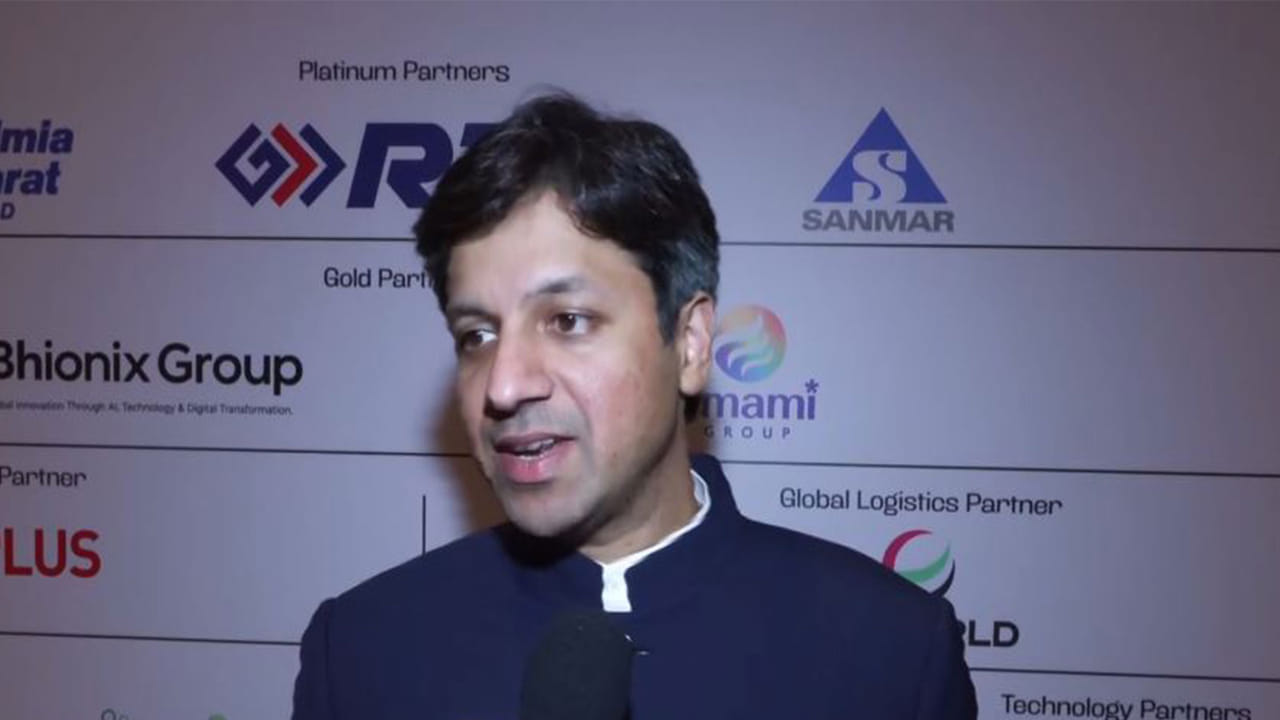
FICCI President Anant Goenka has urged Indian businesses to prepare for the upcoming EU-India free trade agreement. The deal, expected to take effect in early 2027, offers significant export opportunities for various local products.
FICCI President Urges Businesses to Prepare for India EU Trade Pact
New Delhi [India], November 19 (ANI): FICCI President Anant Goenka on Thursday urged Indian businesses to prepare for the free trade agreement with the European Union, saying the pact was undergoing legal vetting and could take effect by March or April 2027.
“The legal vetting is on, but it'll come into effect possibly by March, April is what we understand. So Indian business has to be ready for that by then,” Goenka told ANI on the sidelines of FICCI’s Annual General Meeting and Annual Convention in New Delhi.
Goenka said India’s free trade agreements offered businesses an opportunity to assess which of their products could find buyers overseas and where they could expand. “I think it's a big opportunity for India. Government has done a large part of its job,” he said, urging businesses to “understand the opportunities for their various products”.
Commerce Secretary Rajesh Agrawal told ANI on Wednesday that India hoped to sign the agreement in December 2026. Speaking separately at a FICCI panel the same day, he said the government was aiming for the pact to take effect in the first quarter of 2027. India and the EU concluded negotiations on January 27. The European Commission submitted proposals to the Council of the EU in September seeking authorisation to sign and formally conclude the agreement. The Commission said the pact would become binding once both sides completed their internal legal procedures.
The EU was India’s third-largest goods trading partner in 2025, with bilateral goods trade worth EUR 118 billion, according to the European Commission. According to a Department of Commerce factsheet, the pact would give India preferential access across 96.8 per cent of EU tariff lines, covering 99.5 per cent of Indian goods exports to the bloc by value. Products accounting for 90.7 per cent of those exports by value would become duty-free when the agreement takes effect. The immediate tariff cuts cover products in sectors such as textiles, leather and footwear.









