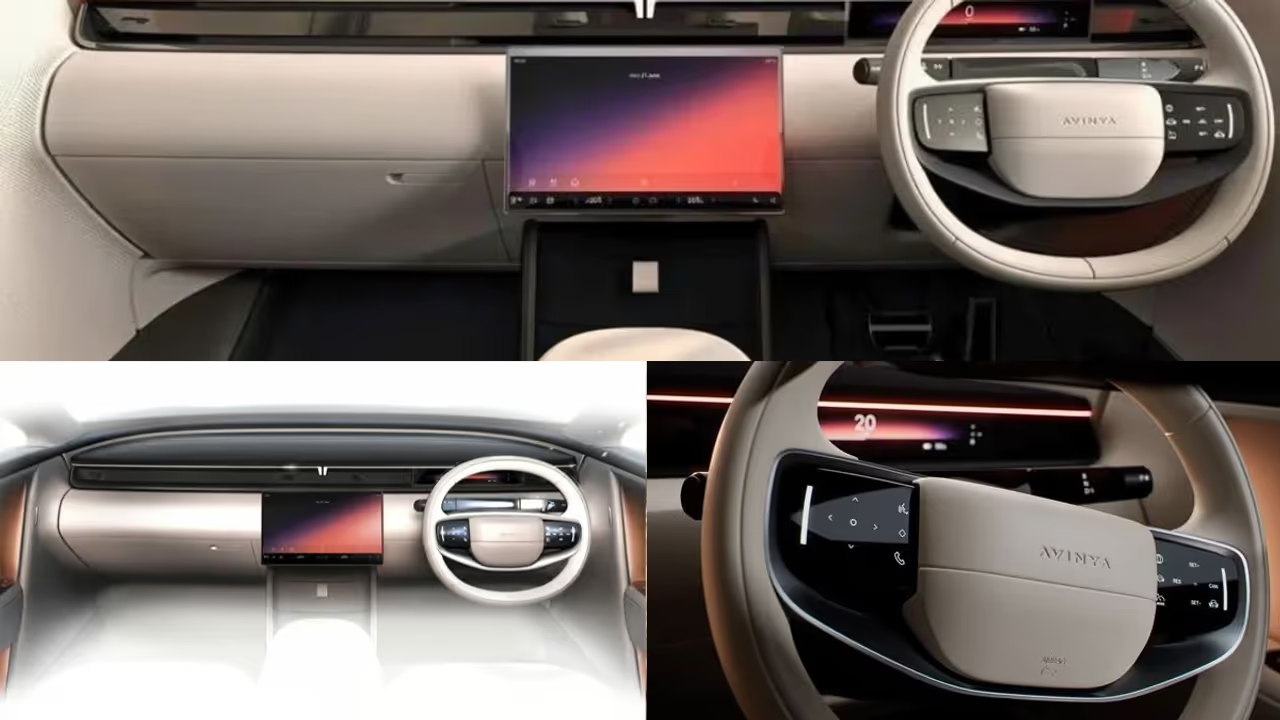
A recently revealed design patent offers a first look at the minimalist and futuristic dashboard of the upcoming Tata Avinya. This glimpse suggests Avinya could become a new premium electric vehicle sub-brand for Tata Motors, with a focus on technology and luxury.
Tata Motors' plan to expand its vehicle lineup seems to be going well, with design patents revealing new models. The Avinya is the most recent on the list. The dashboard has been exposed via a design patent, suggesting the development of a new brand, even if the car's external design features are still secure in the company's vault. It's possible that the manufacturer may utilise the moniker to establish an entirely new line of electric vehicles.
Many body types are anticipated for the Avinya sub-brand. Rumour has it that the Fastback model will be the first in the lineup. With an emphasis on technology and modernity, the cabin will try to provide the luxury that purchasers frequently desire. The design patent provides a preview of the forthcoming model's dashboard.
Examining the specifics, the dashboard design patent that was released reveals a simple dashboard. It has a large infotainment screen with a new steering wheel design with "Avinya" writing, just like a standard EV. The dashboard's top flat section appears to be entirely composed of soft-touch material.
Related Articles

The setup includes two flat, mirrored steering stalks, with one doubling as the gear selector. Behind the steering wheel is a broad, streamlined instrument cluster. The dashboard integrates climate settings and other important features, and it looks simple and is probably made of soft-touch materials.
When Will the Avinya Actually Reach Showrooms?
More information about the cabin and design will be disclosed closer to debut. It is scheduled to be released later in 2026 or early in 2027, with production set to commence around that time. The new electric car is believed to be built on Jaguar's EMA platform, but the brand will optimise production to keep costs under control.
Production volumes are expected to stay modest with reports pointing to around 24,000 units a year. It reinforces that this will sit as a niche, premium-priced range rather than a high-volume model competing on price.