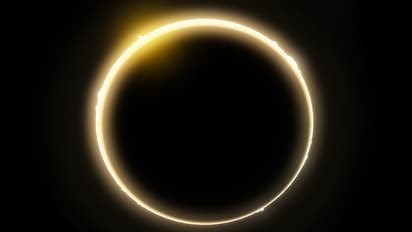
When is The Next Total Solar Eclipse? Where and How to Watch the August 12 Sky Spectacle; Check Here

Published : Jul 14, 2026, 11:47 AM IST

When is the Next Total Solar Eclipse? The world's only total solar eclipse of 2026 will take place on August 12, offering breathtaking views across parts of Europe and the Arctic. Millions are expected to witness this rare celestial event

PREV
13
Total Solar Eclipse to Grace the Skies on August 12

The first total solar eclipse in more than two years will take place on August 12, 2026, making it the only total solar eclipse of the year. The Moon will completely cover the Sun along a narrow corridor stretching across eastern Greenland, western Iceland, northern Spain and a small region of Portugal.

People located within this path of totality will witness the Sun disappear completely for up to two-and-a-half minutes, although most locations will experience totality for less than two minutes. Around 15 million people live along this route, but the event is expected to attract thousands of eclipse enthusiasts from across the globe.

23
Partial Eclipse for Millions and a Rare Double Sky Event

While the complete eclipse will be limited to a few regions, a partial solar eclipse will be visible across much of Europe and parts of North America, including Canada, Alaska and sections of the northeastern and midwestern United States.

Adding to the excitement, the eclipse coincides with the peak of the annual Perseid meteor shower on the very same day. Skywatchers in several regions will have the opportunity to witness a partial eclipse during the day, followed by one of the year's most spectacular meteor showers after sunset, making August 12 a memorable date for astronomy enthusiasts.

33
Safe Viewing Tips and What Comes Next

Watching a solar eclipse requires proper eye protection. Experts recommend using certified eclipse glasses that meet the ISO 12312-2 international safety standard. Ordinary sunglasses do not provide sufficient protection and should never be used to observe the Sun.

Those who still have eclipse glasses from previous eclipses can reuse them if they are free from scratches, tears or damage. People without eclipse glasses can safely enjoy the event using indirect viewing methods, such as projecting sunlight through a pasta strainer or observing crescent-shaped shadows formed beneath leafy trees.

Following this event, the next total solar eclipse is scheduled for August 2, 2027, when northern Africa and parts of the Middle East will witness one of the longest total solar eclipses of the century, lasting more than six minutes in some locations.

Explore the latest Lifestyle News covering fashion, wellness, travel, Food and Recipes, and more. Stay updated with trending Health News, fitness tips, and expert insights to inspire your daily living. Discover personalized lifestyle trends that keep you stylish and informed. Download the Asianet News Official App from the Android Play Store and iPhone App Store for everything that adds value to your everyday life.


Read more Photos on

Recommended Stories