What Did Indians Drink Before Tea and Coffee? The Traditional Beverages That Came First
Published : Aug 24, 2026, 12:45 PM IST
Before tea and coffee became everyday staples, people relied on a variety of traditional beverages and herbal brews. Discover what our ancestors drank and how tea and coffee became part of daily life.
13
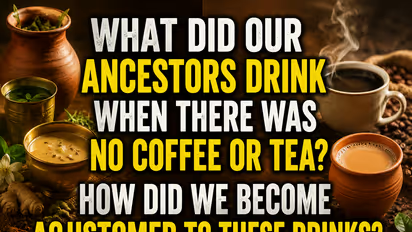
When There Was No Coffee or Tea...
Before tea and coffee, our ancestors drank natural beverages for health. They would have cow's milk, ghee or honey in warm water, or herbal 'kashayams' made with tulsi, ginger, and spices. In the South, fermented rice or 'chaddannam' was a popular choice, acting as a natural probiotic. Villagers often drank fresh buttermilk, ragi ambali, or barley water for energy.
Also read: Want a Bushy Curry Leaf Plant? Try This Easy Kitchen Hack for Healthier Growth
Explore the latest Lifestyle NewsFood and RecipesHealth NewsAsianet News Official App
Read more