
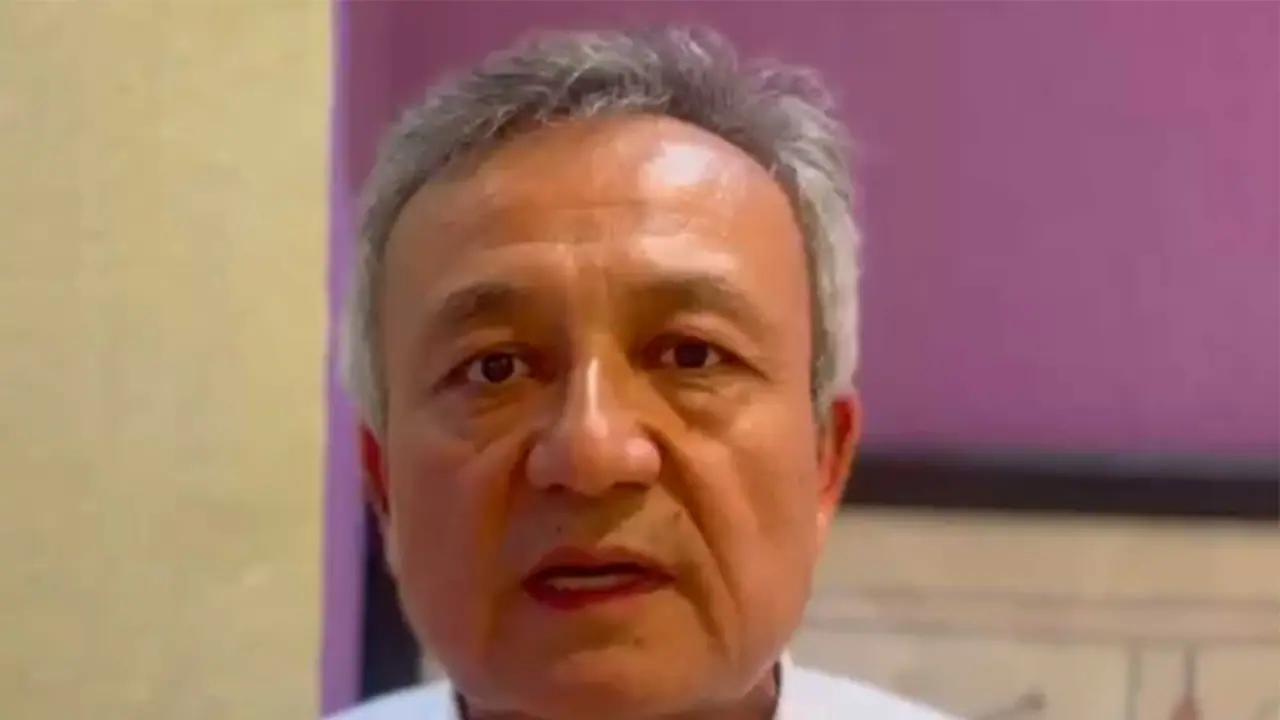
Uyghur activists, led by Dolkun Isa at a UN session, have slammed China's new Ethnic Unity and Progress Law. They argue it's a legal tool for forced assimilation, threatening the language, culture, and identity of Uyghurs and other minorities.
China's newly enforced Ethnic Unity and Progress Law has drawn sharp criticism from Uyghur activists, who argue that it institutionalises forced assimilation and further threatens the identity, language and culture of non-Han ethnic communities.
Speaking at the 19th session of the Expert Mechanism on the Rights of Indigenous Peoples (EMRIP) in Geneva, Dolkun Isa, President of the Uyghur Center for Democracy, stated that the legislation, which came into force on July 1, 2026, marks a significant escalation of Beijing's policies toward Uyghurs, Tibetans and other non-Han groups.
Concerns Over UN Declaration Violations
Addressing the UN forum, Isa said the law creates a legal framework for promoting a single national identity while further marginalising ethnic languages, religious practices and cultural traditions. He argued that the legislation strengthens state control over education, public life and the transmission of cultural identity across generations. According to Isa, the law follows years of policies that he said included arbitrary detentions, family separations, restrictions on the Uyghur language, destruction of cultural and religious heritage, and displacement of Uyghur communities. He warned that the new legislation could legitimise and expand measures that are incompatible with the principles of the UN Declaration on the Rights of Indigenous Peoples, including the rights to preserve language, practise religion and maintain distinct cultural institutions.
Allegations of Worsening Abuses
On the sidelines of the session, Isa alleged that the situation for Uyghurs in East Turkistan continues to worsen. He claimed that forced labour, family separations and restrictions on Uyghur identity remain widespread, adding that the new law seeks to eliminate Uyghur and Tibetan identities from schools, public administration and everyday life.
Transnational Repression Alleged
Isa also accused Beijing of intensifying transnational repression against Uyghur activists abroad. He alleged that Chinese officials and affiliated organisations monitor, intimidate and record activists attending UN meetings and pressure UN bodies to restrict their participation. He said one of his colleagues was unable to obtain accreditation for the EMRIP session and claimed China had previously sought to block his own participation in UN events. (ANI)
(Except for the headline, this story has not been edited by Asianetnews Editorial staff and is published from a syndicated feed.)