
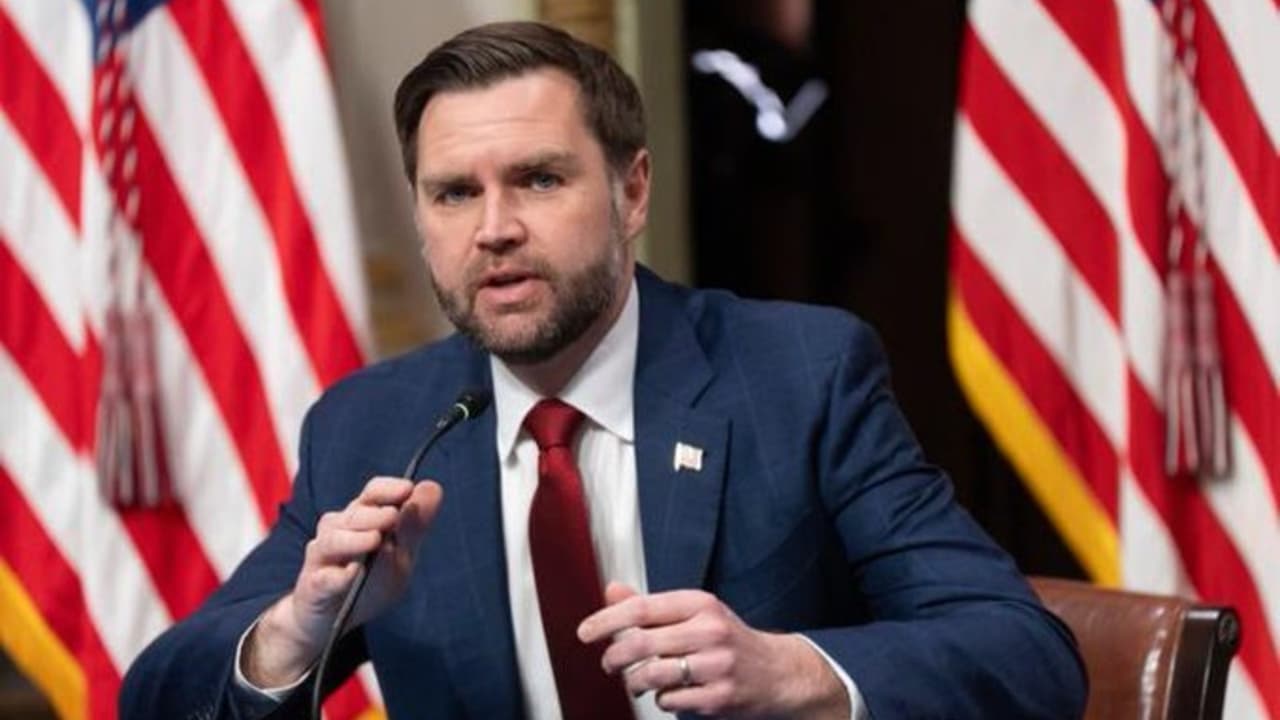
The US, led by Vice President JD Vance, will start diplomatic talks with Iran in Islamabad, Pakistan, on April 11. Hosted by Pakistan, the negotiations aim to stabilize a fragile regional ceasefire amid recent tensions. Discussions will cover critical issues like Iran’s nuclear program, sanctions relief, and regional security.
The United States is set to begin a crucial phase of diplomacy with Iran, with Vice President JD Vance scheduled to lead a delegation to Pakistan for the first round of talks on April 11. The high-level meeting, to be held in Islamabad, comes at a sensitive time as efforts continue to stabilise a fragile ceasefire in the region.
The White House confirmed that the delegation will include senior officials such as Steve Witkoff and Jared Kushner, underlining the importance Washington is placing on the negotiations. Officials noted that Vance has played a “significant and key role” in handling Iran-related matters, positioning him at the forefront of this diplomatic push.
The talks are expected to focus on preventing further escalation after recent tensions, including Israeli strikes in Lebanon, raised concerns over possible ceasefire violations. Iran has accused both the United States and Israel of breaching the agreement, warning that continued actions could derail diplomatic progress before discussions even begin.
Also Read: Iran Threatens to Quit Islamabad Talks Amid Ceasefire Violation Claims
Pakistan has emerged as a key intermediary, hosting the talks and facilitating communication between the two sides. Islamabad’s role has been crucial in bringing the parties back to the negotiating table following a period of heightened conflict that threatened to spiral further.
Key issues likely to be discussed include Iran’s nuclear programme, sanctions relief, regional security, and stability in vital energy corridors such as the Strait of Hormuz. The outcome of these talks could significantly influence the trajectory of US-Iran relations and broader geopolitical stability in West Asia.
While officials have expressed cautious optimism, they acknowledge that challenges remain. The upcoming meeting is being viewed as a critical opportunity to reinforce the ceasefire and explore pathways toward a more durable and lasting agreement.
