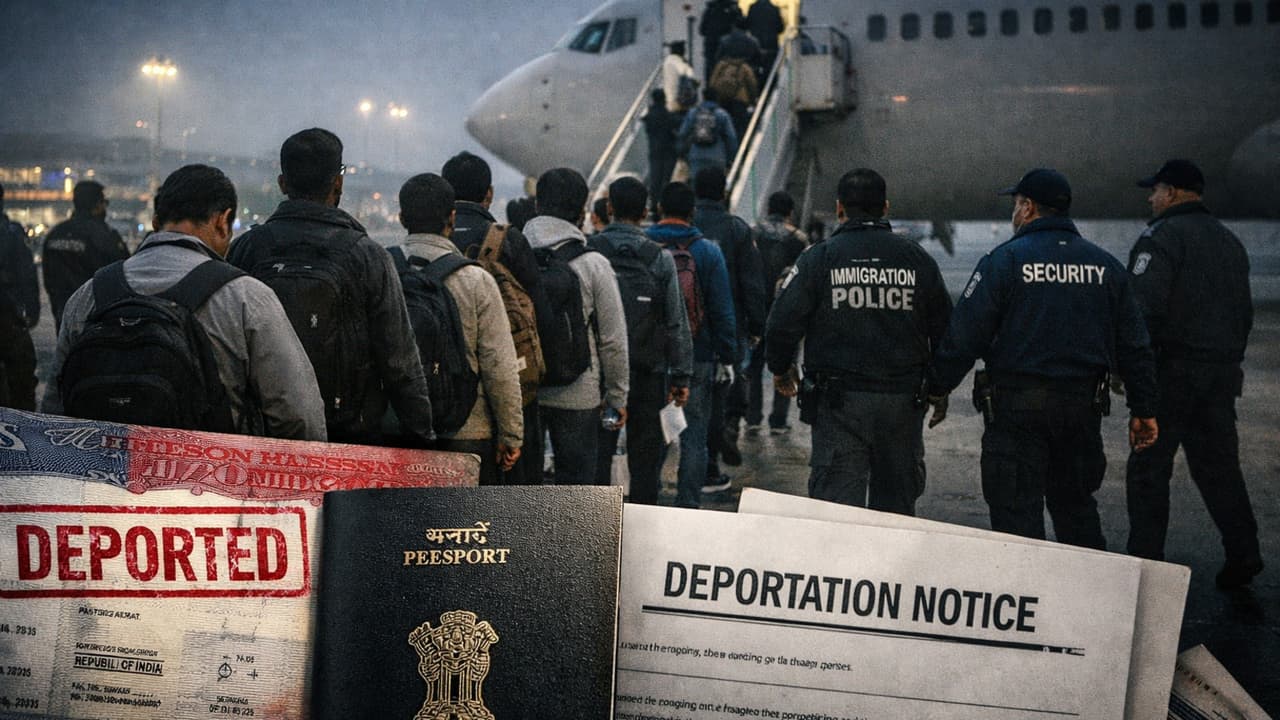
An Iran-born woman, adopted by an American veteran in the 1970s, is facing deportation from the United States. Despite living her entire life in the US, she lacks citizenship due to a legal loophole affecting many international adoptees before 2000.
A deeply emotional and legally complex immigration case has emerged in the United States, where an Iran-born woman—adopted as a toddler by an American war veteran—is now facing deportation over a technical visa issue dating back to her early childhood. The case has sparked widespread concern, highlighting long-standing gaps in US immigration and adoption laws, and raising ethical questions about the treatment of international adoptees.
Adoption, Citizenship Gap and Legal Limbo
According to multiple reports, the woman was discovered in an orphanage in Iran in the early 1970s by an American Air Force veteran working abroad. He and his wife adopted her and brought her to the United States, where she was raised as their daughter in a Christian household. Having spent virtually her entire life in the US, she built a stable life—working in corporate healthcare, paying taxes, and owning a home in California. Notably, she has no criminal record, further intensifying concerns about her sudden legal predicament.
Despite her decades-long residence in the US, the woman never obtained formal citizenship. This, experts say, is due to a legal loophole that has affected thousands of international adoptees. In earlier decades, adoptive parents were required to complete a separate naturalisation process for their children. In many cases, families mistakenly believed that adoption alone granted citizenship. While a law passed in 2000 automatically granted citizenship to many foreign-born adoptees, it was not retroactive—leaving those adopted before its enactment in legal limbo.
Related Articles

The issue resurfaced dramatically when the woman received a notice from the Department of Homeland Security ordering her to appear before an immigration court. The reason cited was that she had technically overstayed her visa—an overstay that dates back to March 1974, when she was just four years old. This technicality has placed her at risk of deportation to Iran, a country she left as a young orphan and where she has no personal ties or support system.
The prospect of deportation has raised serious humanitarian concerns. The woman has expressed fear that being sent back to Iran could effectively amount to a death sentence. As a Christian convert and someone with American ties, she could face severe risks in a country where religious and political tensions remain high. Additionally, escalating geopolitical tensions between the United States and Iran have only heightened fears about her safety if deported.
Her case also stands in contrast to the broader narrative of US immigration enforcement. While authorities have emphasised targeting individuals with criminal backgrounds, this case involves a law-abiding individual who has spent her entire life contributing to American society. Critics argue that such cases reveal inconsistencies in enforcement priorities and underscore the unintended consequences of rigid immigration policies.
Deportation Fears, Human Impact and Policy Debate
Legal experts and advocates say the situation reflects systemic flaws rather than individual wrongdoing. The woman has reportedly attempted to resolve her immigration status for years, with authorities aware of her case since at least 2008. Yet, no resolution was reached, and the sudden move toward deportation has left her and her legal team scrambling for relief. A judge has since delayed her initial court appearance, offering temporary reprieve while her case continues.
The broader issue extends beyond a single individual. Thousands of international adoptees in the US remain without citizenship due to similar legal oversights. Advocacy groups have long pushed for legislative reforms to grant citizenship retroactively, arguing that adoptees raised as Americans should not face deportation to countries they barely remember. Despite bipartisan interest in addressing the issue, comprehensive reform has yet to be enacted.
This case has reignited debate in political and legal circles, with critics calling for urgent policy changes to prevent similar situations in the future. The emotional weight of the story—an orphan raised in America now facing expulsion to a foreign land—has also resonated widely with the public, drawing attention to the human cost of bureaucratic gaps.
Ultimately, the woman’s fate will depend on the outcome of her immigration proceedings and any potential legal or legislative interventions. For now, her story serves as a stark reminder of how legal technicalities can collide with human realities, leaving individuals caught between systems that fail to fully recognise their lived identities.
As the case unfolds, it is likely to remain a focal point in ongoing debates about immigration reform, citizenship rights, and the responsibilities of nations toward those they have long considered their own.