The Trump administration is considering significant military reinforcements for the Middle East as the US-Iran war enters a new phase. This potential troop surge aims to provide more strategic options beyond current air and naval operations. Key objectives include securing the Strait of Hormuz and supporting maritime activities.
The US administration under President Donald Trump is contemplating significant military reinforcements to its forces in the Middle East as the Iran war—now into its third week—enters what officials describe as a possible new phase of conflict and strategic complexity. This consideration comes amid mounting challenges in the region, with a focus on expanding options beyond air and naval operations.
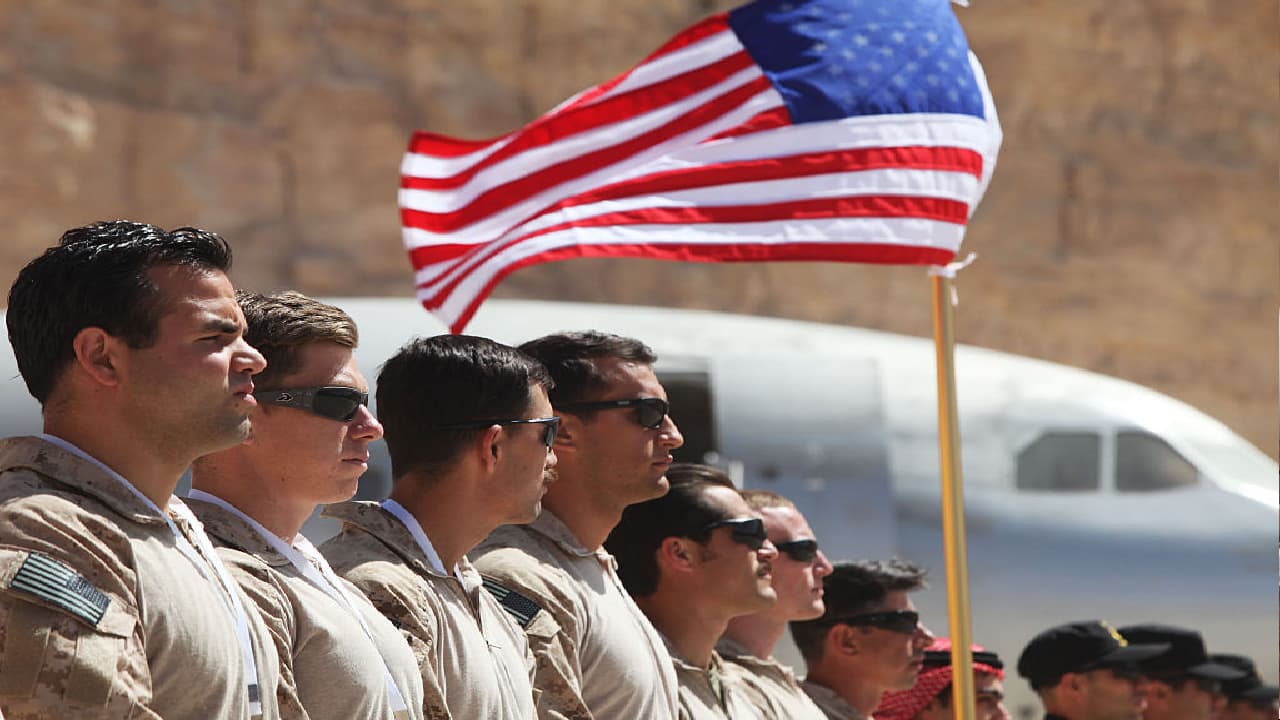
According to reports, Trump’s team is considering deploying thousands of additional American troops to bolster operations previously dominated by airstrikes and naval presence. Though no final decision has been made, US officials and sources familiar with the planning say this potential troop surge is being weighed to give the White House more flexibility in approaching evolving war objectives.
Objectives of Potential Reinforcements
The contemplated deployments would support multiple strategic goals:
Related Articles

• Securing the Strait of Hormuz: A critical global oil chokepoint through which around a fifth of the world’s crude oil passes, the Strait has seen increased Iranian disruption, including threats to tankers and naval assets. Guarding this waterway remains a central concern.
• Supporting Maritime and Air Operations: Additional troops could assist in clearing mines, countering fast boats, and protecting naval movements, expanding beyond the air‑dominant strategy used thus far.
• Possible Control of Strategic Locations: Options under discussion include the use of ground forces to secure Kharg Island, a strategic Iranian oil export hub, which the US has already struck with air power earlier in the conflict. Such a mission would carry high risk but could drastically alter the economic component of the war.
US officials say that while deploying ground troops into Iran itself is not imminent, maintaining forces along coastlines and key islands could prove vital in securing shipping routes and deterring Iranian aggression.
Also Read: Trump vows 'ultimate victory' against Iran, says operation will end soon
Escalation and Broader Military Buildup
The discussions over troop deployments come against the backdrop of an already significant US military buildup in the region. Before the war began on February 28, 2026, Washington had amassed tens of thousands of service members across bases in the Middle East and adjacent seas, the largest concentration since the buildup leading to the Iraq war two decades ago.
This buildup includes major naval assets such as Carrier Strike Groups and advanced combat aircraft, as well as rapid‑response units like the 31st Marine Expeditionary Unit, which was sent toward the Persian Gulf amid rising tensions.
Trump’s administration appears determined to preserve a broad set of military options, keeping them “on the table” as conditions evolve. One anonymous White House official was quoted telling Reuters that “there has been no decision to send ground troops at this time, but President Trump wisely keeps all options at his disposal.”
Political and Strategic Risks
Deploying additional American troops carries significant political and strategic risks:
• Domestic Support Is Low: US public opinion has shown considerable fatigue with prolonged foreign conflicts, and a ground operation in Iran could spark fierce debate at home.
• High Risk of Escalation: Analysts warn that any expanded US presence, particularly ground forces, could trigger a broader confrontation, potentially drawing in Iran’s allies and proxy networks across the Middle East.
• Iran’s Retaliatory Tactics: Iran has already demonstrated its ability to strike US interests across the region. The ongoing missile and drone attacks on bases and shipping lanes emphasize the potential dangers US forces could face if substantially increased on the ground.
Even as reinforcements are discussed, US officials are wary of the challenges of securing territory or assets close to Iranian forces, especially given Tehran’s growing use of missiles, drones, and fast naval craft.
Also Read: ‘Won’t Leave Him Alone’: Iran Warns Trump Over Khamenei Killing as War Escalates
Military and Legislative Scrutiny
On the legislative front, US intelligence and defense leaders are under increasing scrutiny from lawmakers. In testimony before the Senate Intelligence Committee, Director of National Intelligence Tulsi Gabbard noted that Iran’s government remains intact despite significant degradation due to wartime strikes, and continues to coordinate actions through proxy groups.
This testimony underscored concerns about the overall strategy, costs, and the transparency of decision‑making as the conflict progresses. Lawmakers from both parties have asked tough questions about the administration’s goals and the potential for longer‑term entanglement.
Views from Washington and Tehran
Trump’s approach has been a blend of assertive military posture and cautious political language. While he has at times publicly criticized US military involvement abroad, he has not ruled out expanded operations in the Middle East. Some officials believe Trump’s willingness to “keep all options open” reflects a strategy aimed at deterring Iranian escalation without committing to a large‑scale ground war.
On the Iranian side, leadership remains defiant. Tehran continues to wage counter‑attacks after initial strikes by US and allied forces, including operations against shipping, military facilities, and installations across the Gulf region.
Also Read: 'Lightweight, Unacceptable': Trump Rejects Khamenei’s Son, Wants Role in Iran Succession
Conclusion — A Pivotal Moment in the Iran War
As the conflict evolves, the possibility of deploying more US troops signals a broader shift in the US strategic calculus. While air power and naval strength have dominated the early weeks of war, military planners and policymakers are now seriously evaluating whether a stronger physical presence is necessary to achieve strategic goals, protect key waterways, and deter Iranian aggression.
How this will unfold remains uncertain, with decisions likely shaped by battlefield developments, geopolitical pressures, and the balance of domestic political sentiment. Yet it is clear that the conflict is entering a new and unpredictable chapter—one in which American ground forces may play a larger role than previously anticipated.