The US Supreme Court struck down President Trump’s tariff policy, ruling he exceeded his authority as only Congress can levy tariffs. Trump criticized the decision but vowed to continue his protectionist strategy using alternative legal means.
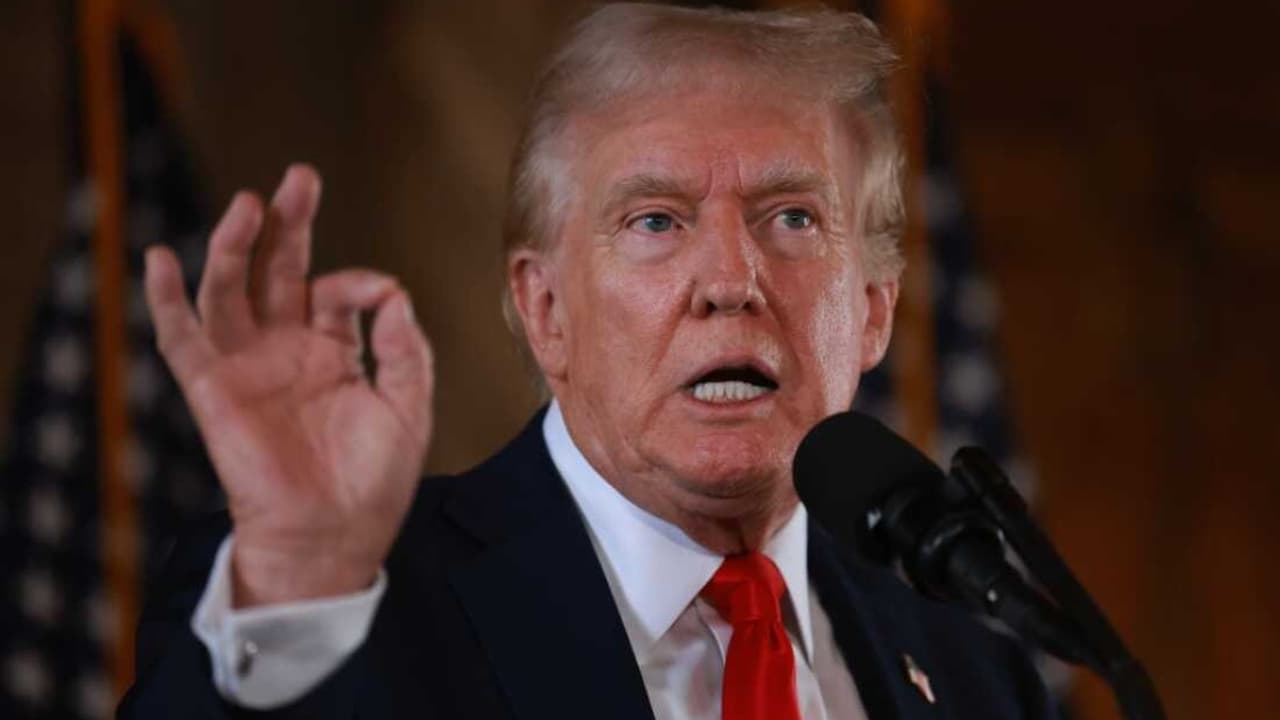
US President Donald Trump has strongly criticised the Supreme Court’s recent decision striking down his sweeping tariff policy, calling the ruling “unfortunate” and warning global trading partners against taking advantage of it. The court, in a 6–3 verdict, ruled that Trump exceeded his authority by imposing broad tariffs under emergency powers, reaffirming that only Congress has the power to levy such duties.
Despite the setback, Trump doubled down on his protectionist trade stance. He argued that tariffs had already forced countries that had “ripped off” the United States for decades to pay significant sums, framing them as a key economic tool to rebalance global trade. His remarks signal a continued commitment to tariffs as a cornerstone of his economic agenda, even as legal challenges mount.
The ruling has major financial and policy implications. Billions of dollars collected through these tariffs are now under scrutiny, with businesses and state governments seeking refunds. The decision also limits presidential authority, setting a precedent on the use of emergency powers in trade policy.
Related Articles

However, Trump has made it clear that the tariff strategy is far from over. He has already proposed new tariffs under alternative legal provisions and warned that countries attempting to “play games” with the ruling could face even higher duties.
The development has introduced fresh uncertainty in global trade, with allies and rivals alike closely watching Washington’s next moves. While critics see the ruling as a necessary check on executive overreach, Trump’s response suggests that tariff-driven trade tensions may continue to shape international economic relations in the coming months.