
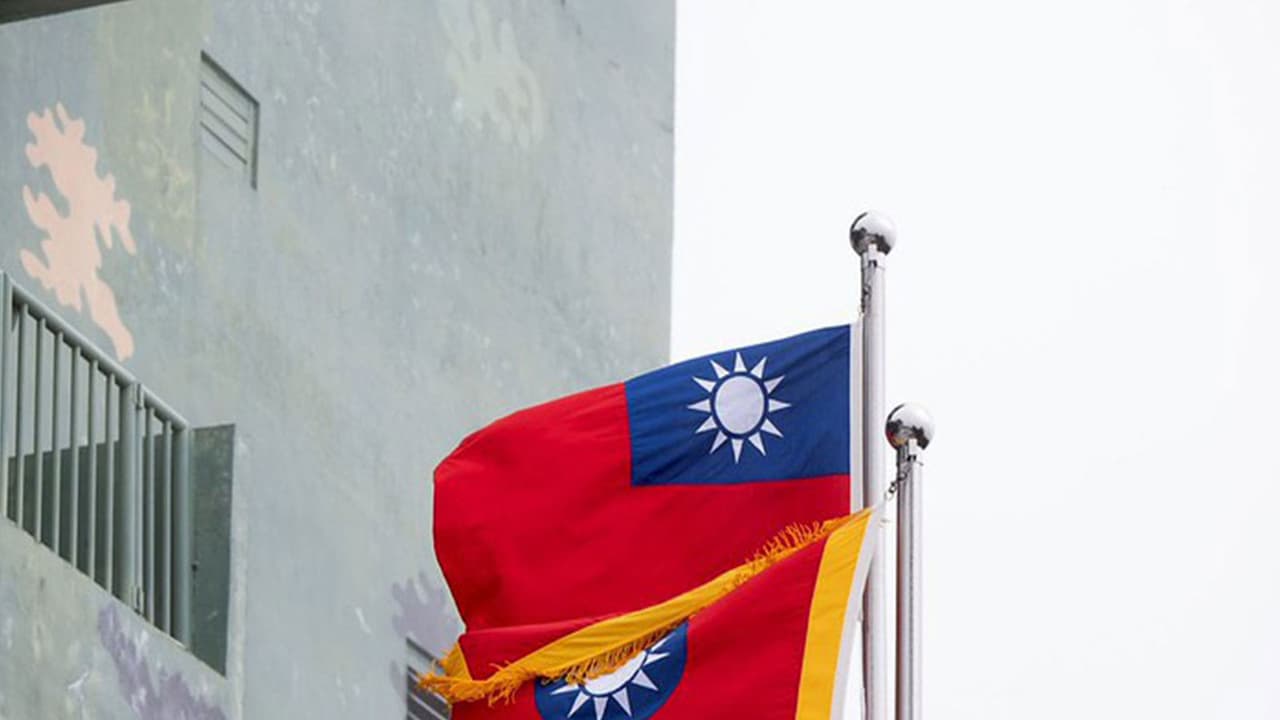
Taiwanese officials and academics are alarmed by China's new Ethnic Unity Law, warning its extraterritorial provisions could be used to target Taiwanese citizens with sanctions, travel bans, and other punitive measures for undermining 'unity'.
Taiwanese academics, government officials and civic organisations have voiced growing alarm over China's newly enacted Ethnic Unity and Progress Promotion Law, warning that its sweeping extraterritorial provisions could expose Taiwanese citizens to legal and political risks beyond China's borders, as reported by The Taipei Times.

According to The Taipei Times, the law, approved by China's National People's Congress in March, seeks to strengthen what Beijing describes as a unified Chinese national identity. However, Article 63 extends China's legal reach to organisations and individuals outside the country accused of undermining ethnic unity or encouraging separatism, raising concerns over its potential international application.
Warning of Punitive Measures
Hung Pu Chao, deputy head of Tunghai University's Center for Mainland China and Regional Development Research, cautioned that the legislation could pave the way for punitive measures against Taiwanese citizens. These measures may include travel restrictions, sanctions, public blacklisting and economic pressure. Hung warned that people with frequent travel, employment, investments or family connections in China may be particularly vulnerable, while academics, journalists, civic organisations and public commentators could also face heightened political risks.
Concerns Over Broad Interpretation
Taiwan's Mainland Affairs Council has also expressed concern over the law. Deputy Minister Shen Yu-chung said shortly after its adoption that, although the legislation appears to focus on China's ethnic minorities, its references to national unity and reunification could easily be interpreted to target cross-Strait relations.
A Taiwanese national security official, speaking anonymously, stated that Beijing could broadly interpret criticism related to Taiwan's sovereignty or advocacy for human rights in Xinjiang and Tibet as actions that undermine ethnic unity, as highlighted by The Taipei Times. Such interpretations, the official said, could also affect foreign journalists reporting on these issues and international politicians supporting Taiwan's participation in global organisations.
'Transnational Repression' Condemnation
Meanwhile, Taiwan Alliance, a coalition of pro-Taiwan civic groups, strongly condemned the legislation, calling it "a tool for transnational repression", as reported by The Taipei Times. (ANI)
(Except for the headline, this story has not been edited by Asianet Newsable English staff and is published from a syndicated feed.)