
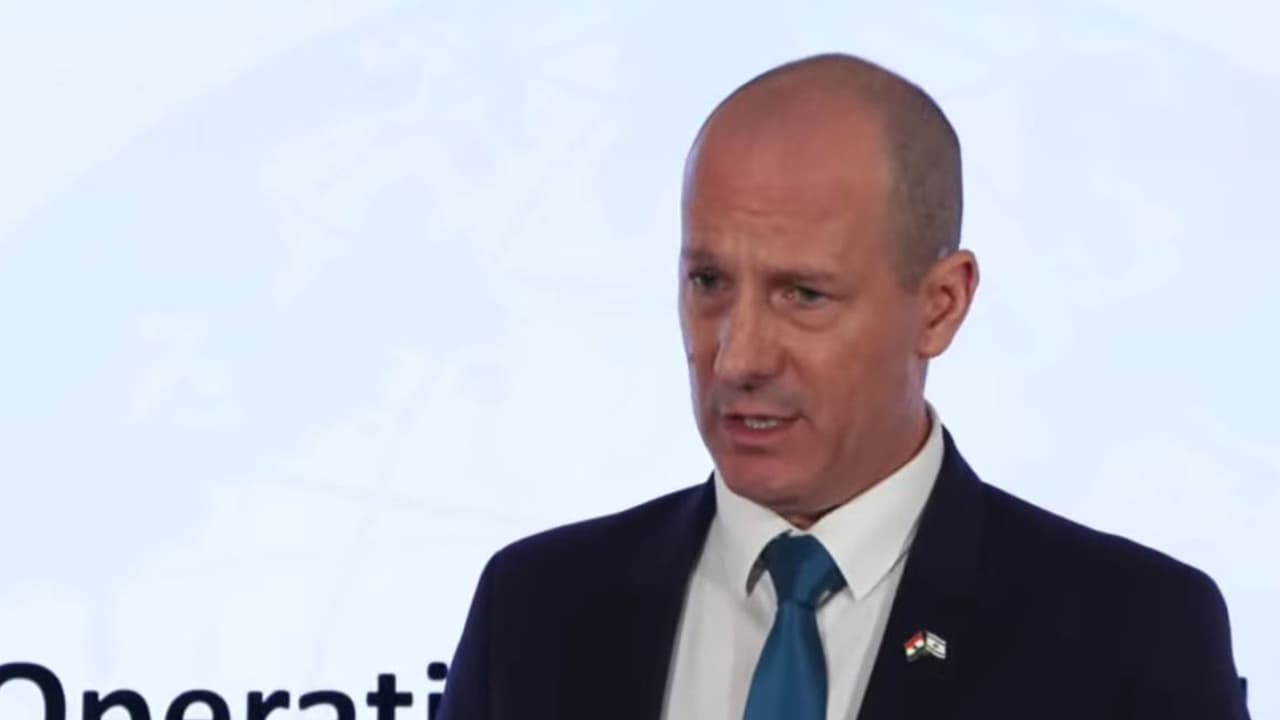
Israeli Ambassador Reuven Azar dismissed theories linking PM Modi's February 2026 visit to a joint US-Israel strike on Iran. He said the strike decision came after Modi's departure, driven by strategic opportunity, not the diplomatic visit.
Envoy Clarifies Timing of PM Modi's Visit and Iran Strike
The Ambassador of Israel to India, Reuven Azar, has addressed ongoing "theories" regarding the timing of Prime Minister Narendra Modi's visit to Israel and the subsequent joint military actions involving the United States and Israel against Iran. Speaking on the geopolitical climate surrounding the late February visit, the Ambassador noted that regional instability was a known factor well before the high-level diplomatic engagement. "It was evident that the situation is very volatile in our region even before Prime Minister Modi came (on February 25-26, 2026)," Azar stated, clarifying the context in which the trip took place.
Linking the diplomatic schedule to the military timeline, the Ambassador explained that the decision to launch the offensive was dictated strictly by strategic considerations rather than the visit itself. "When it comes to the decision to strike, the operational opportunity came only after PM Modi left," he asserted, dismissing suggestions that the events were synchronised. The envoy further detailed the procedural timeline to emphasise that formal authorisation for the strike followed the Prime Minister's departure from the region. According to Azar, "The cabinet decision to approve the operation happened only two days after," marking a clear distinction between the diplomatic conclusion and the commencement of military activity.
Long-Term Objectives: Fostering Internal Change, Not Invasion
Beyond the timing of the strikes, Azar clarified the long-term objectives of the current operations during a press conference in Delhi. He stressed that neither the United States nor Israel intends to invade Iran, noting that the focus remains on encouraging internal change through domestic pressure rather than military occupation. The Israeli envoy said the objective is to ensure greater stability and security across the region, while enabling Iranians to push for changes in their country's policies or leadership.
"We want to give the Iranian people a situation in which they can actually put pressure for a change in policy or for a change of the regime," Azar said. "We are going to see whether this happens or not but are resolute in putting a focus on that. It not only serves the Iranian people but it also serves our aim of creating a more stable future in the region," he added, noting that a stable West Asia would benefit Gulf countries and the wider international community.
Azar further emphasised the need to see a Middle East "freer from the terrible threats that the Iranians were planning to build." These remarks come amid sharply escalated tensions, with Israel repeatedly accusing Iran of developing destabilising capabilities through its missile programme and support for armed groups. While Iran maintains its programmes are for defensive purposes, the rivalry has increasingly played out through proxy conflicts and targeted strikes. Azar's remarks underscore Israel's position that regional stability depends on addressing these security threats while leaving room for internal political change driven by Iranian citizens. (ANI)
(Except for the headline, this story has not been edited by Asianet Newsable English staff and is published from a syndicated feed.)