
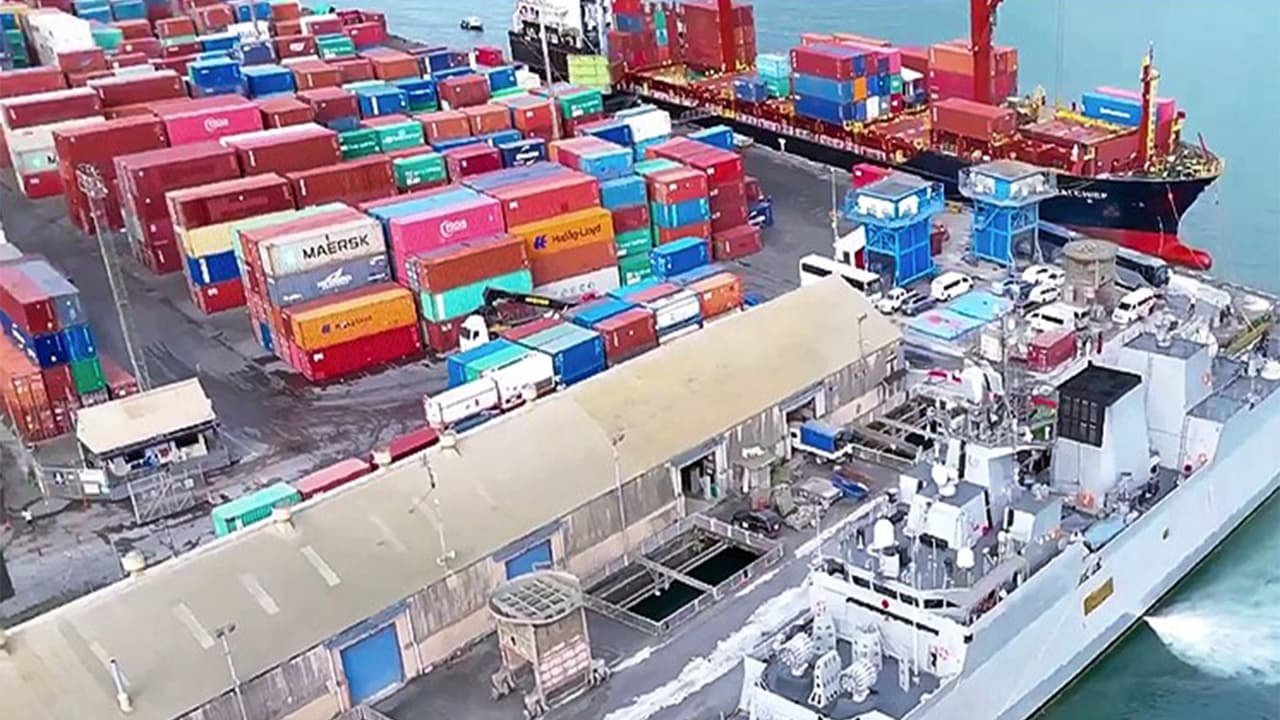
Pakistan's exports have been stagnant for 20 years, stuck at $25-30B, while rivals like Bangladesh and Vietnam thrive. This is due to internal policies like macroeconomic volatility, high taxation, and inconsistent policymaking, making exports risky.
Pakistan's exports have remained stuck in the USD 25-30 billion band for nearly twenty years, even as regional competitors surge ahead. During this period, Bangladesh's exports have exceeded USD 50 billion, and Vietnam's have surpassed USD 350 billion. This widening gulf stems not from global disruptions but from Pakistan's own policy decisions, which have made exporting increasingly risky, expensive, and unprofitable, as reported by Dawn.
Macroeconomic and Policy Challenges
According to Dawn, the report notes that chronic macroeconomic volatility affects corporate clients, primarily due to exporters' ability to withstand it. Frequent balance-of-payments crises lead to abrupt policy shifts, sudden incentive withdrawals, and unpredictable costs. Exchange-rate overvaluation, repeatedly used to contain inflation, has functioned like a concealed tax on exporters, eroding competitiveness. When corrections eventually occur, they come in disruptive bursts, inflating input prices and debt liabilities.
Taxation and Refund Delays
Taxation remains another major deterrent. Exporters face an array of levies, including advance income tax, turnover-based minimum tax, super tax and multiple withholding deductions. Refunds of sales tax and duty drawbacks are regularly delayed, effectively converting exporters into unwilling creditors to the state. Smaller firms, which are crucial for diversification, suffer disproportionately. Competing economies operate genuine zero-rating regimes with automated refunds.
Unpredictable Energy Pricing
Energy pricing policies further shrink profitability. High tariffs, frequent revisions, and cross-subsidisation of domestic consumers impose unpredictable costs on the industry.
Structural Weaknesses in Export Basket
Pakistan's heavy reliance on low-value-added textiles, mainly yarn, fabric, and basic garments, also limits growth as global demand shifts toward man-made fibres. Pakistan's cotton-heavy export basket appears increasingly outdated, as highlighted by Dawn.
Barriers to Competitiveness and Growth
Quality standards remain weak, forcing reliance on foreign laboratories for testing. Tariff protection and ad hoc import controls raise input costs and reward domestic inefficiency. A shortage of technical and managerial skills continues to limit productivity, undermining efforts to move up the value chain.
Inconsistent Policymaking: The Core Issue
The most damaging factor remains inconsistent policymaking and a lack of institutional credibility. Temporary incentives, abrupt reversals and weak consultation discourage long-term investment in export capacity, as reported by Dawn.
(Except for the headline, this story has not been edited by Asianet Newsable English staff and is published from a syndicated feed.)