
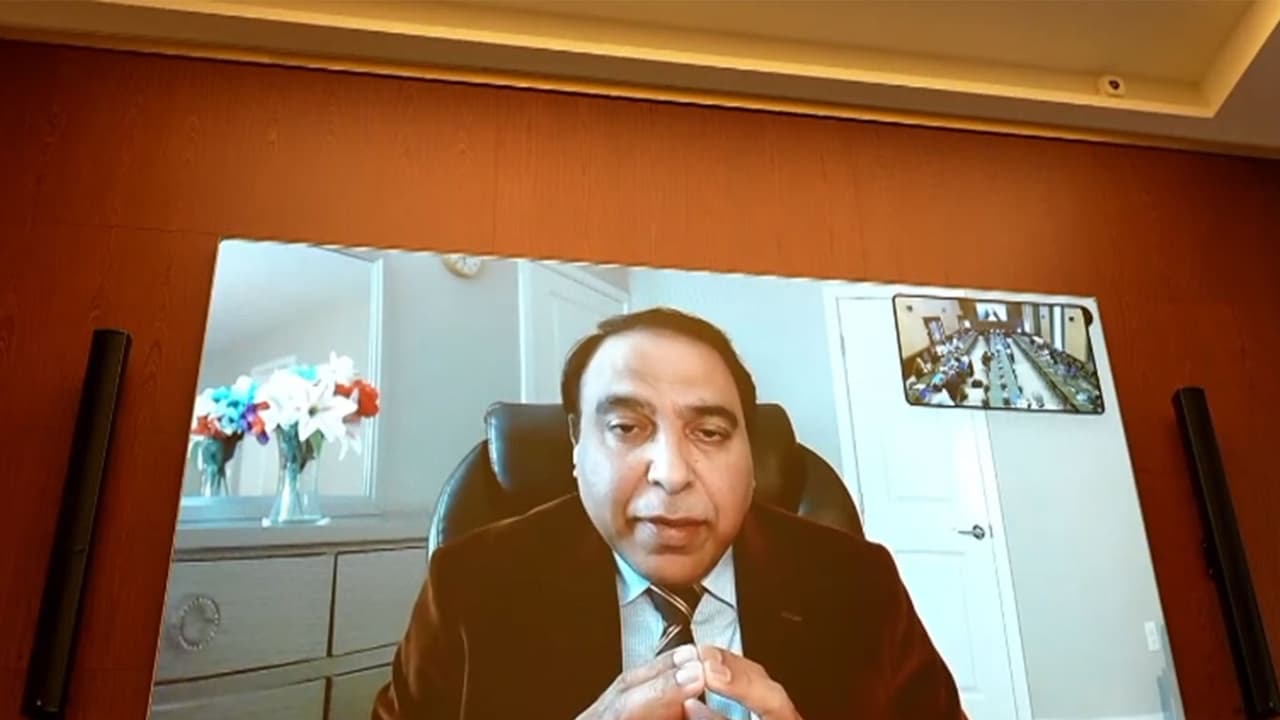
Forced and child marriages of minority girls in Pakistan were scrutinized at a UNHRC side event. Speakers highlighted the impact on girls' rights, education, and health, citing UNICEF data showing 90 million women and children affected.
Forced and child marriages involving girls from minority communities in Pakistan came under scrutiny at a side event held during the 63rd session of the United Nations Human Rights Council in Geneva, with speakers highlighting concerns over their impact on the rights, education, health and dignity of girls, according to Global Human Rights Defence, a UN ECOSOC-accredited human rights organisation.
Alarming Statistics on Child Rights Violations
Human rights defender and President of Human Rights Focus Pakistan, Naveed Walter, highlighted the challenges faced by children affected by child rights violations, particularly those entering marriage at a young age, Global Human Rights Defence reported. “Most recently, UNICEF gave the data about Pakistan. Ninety million women and children and girls have been affected by child rights violations. And of them, 4.8 million were under 15 years of age,” Walter said.
He further said that child marriage has serious consequences for girls, including its impact on education and health. “You know, dear excellencies and dear audience, that during pregnancy, millions of children have died. And you know, under 30 per cent of the children who get married even have basic education,” he said.
Plight of Girls in Sindh Highlighted
Sindhi women’s rights activist Dr Shagufta Kandhro highlighted the situation in Sindh, drawing attention to the vulnerabilities faced by girls married at a young age and the consequences for their health and future, according to remarks shared by Global Human Rights Defence. “According to the National Commission on the Rights of the Child, 84,000 children between the ages of 10 and 17 are married, widowed and separated. Many of them have already left school, and many face serious health risks,” Kandhro said.
Adolescent Pregnancies and Health Risks
She said more than one in five young women in Sindh — 21 per cent — had been married before the age of 18, while also highlighting concerns over adolescent pregnancies and access to healthcare. Kandhro said Pakistan has an estimated 61,000 pregnancies among girls aged 15 to 19 over the year, while only 44 per cent of pregnant girls in that age group receive four or more antenatal visits.
She further highlighted anaemia among girls in Sindh, saying 61.9 per cent of girls were anaemic, which she described as the highest among provinces in Pakistan. The speakers called for stronger protection of women and children and greater international action against child and forced marriage as a form of gender-based violence. (ANI)
(Except for the headline, this story has not been edited by Asianetnews Editorial staff and is published from a syndicated feed.)