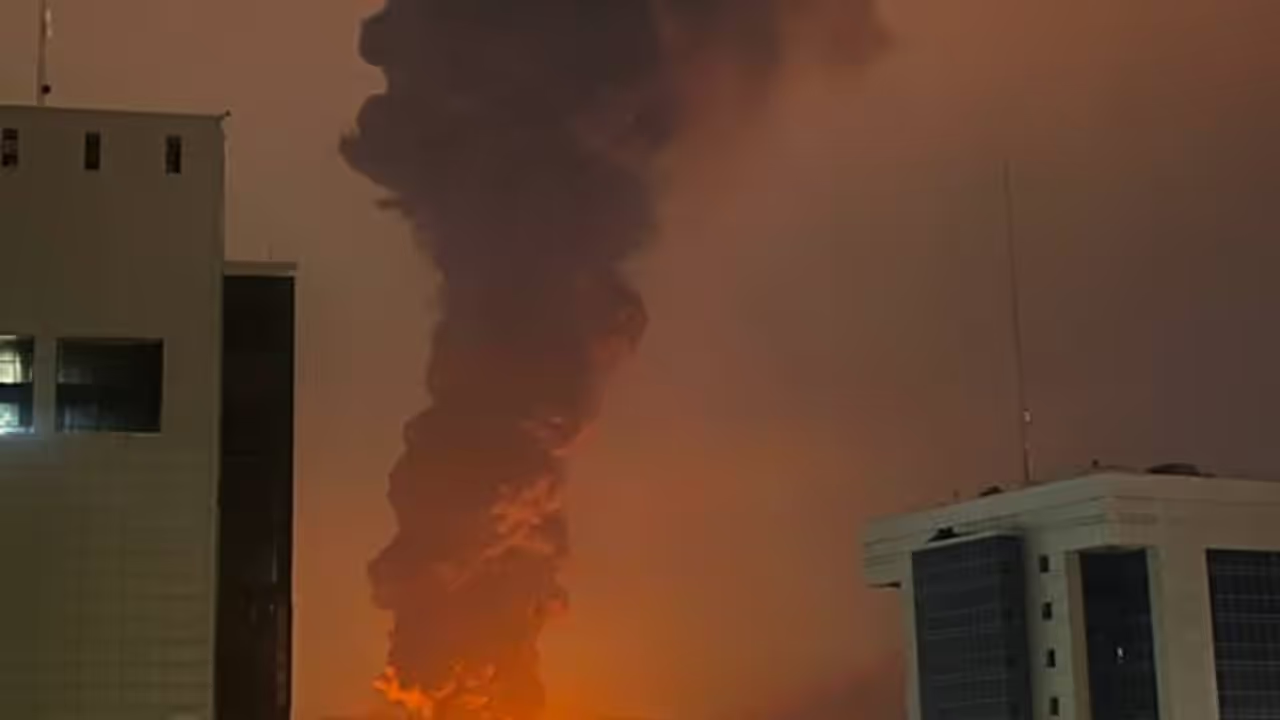
Israeli airstrikes caused a massive fire at the Shahran oil depot, a critical fuel facility in Tehran. This attack signifies a major escalation in the US-Israel-Iran conflict, now targeting energy infrastructure.
A massive fire erupted at the Shahran oil depot in Tehran after Israeli airstrikes struck the facility, sending towering flames and thick black smoke across the Iranian capital. The strike, which targeted one of Tehran’s major fuel storage complexes, marks a significant escalation in the ongoing US-Israel-Iran conflict, now entering a more dangerous phase with attacks on critical energy infrastructure.
Videos and images circulating online showed huge flames engulfing fuel tanks and heavy smoke rising over northern Tehran, creating dramatic scenes across the city skyline. Witnesses reported powerful explosions and shockwaves as the strike ignited a large blaze at the depot, triggering panic among nearby residents.
Strategic Target: Tehran’s Key Fuel Facility
The Shahran oil depot, located on the outskirts of northern Tehran, is considered a critical component of the capital’s energy supply network. The facility reportedly stores fuel reserves that support the city’s daily transportation and infrastructure needs. By targeting such energy infrastructure, the strike highlights a shift toward damaging Iran’s logistical and economic capacity amid the intensifying conflict.
Israeli forces confirmed that their air campaign included strikes on fuel storage and energy facilities linked to Iran’s military infrastructure. The attack was part of a broader wave of operations against Iranian targets, including missile sites, air defense systems and other strategic assets.
Related Articles

Also Read: Israel's actions against Iran will continue until goals achieved: PM
Beirut Strikes Escalate
Israeli airstrikes also expanded beyond Iran, hitting Beirut in Lebanon as part of the widening regional conflict. Israeli forces targeted areas in the southern suburbs of Beirut, particularly districts known to be strongholds of the Iran-backed militant group Hezbollah. Explosions lit up the skyline and thick smoke was seen rising from the densely populated neighborhoods after the strikes. The attacks came after Hezbollah launched rockets and drones toward northern Israel, drawing swift retaliation from the Israeli military.
The Beirut strikes have added to the humanitarian toll of the escalating war. Lebanese authorities reported dozens of casualties from Israeli air raids, with at least 31 people killed in one wave of attacks and many others injured. The fighting has also displaced tens of thousands of residents as airstrikes continue to hit Hezbollah-linked sites and infrastructure across Lebanon. Israeli leaders say the operations are aimed at dismantling Hezbollah’s military capabilities, while warning that further attacks could follow if rocket fire into Israel continues.
Conflict Expands Across the Region
The strike comes as the US-Israel-Iran war enters its second week, with hostilities rapidly spreading across the Middle East. Israeli airstrikes have targeted sites in Tehran and beyond, while Iran has retaliated with missile and drone attacks aimed at Israeli territory and countries hosting US military assets in the Gulf.
Regional tensions have also disrupted air travel and raised fears of a wider conflict involving several Gulf nations. Missile interceptions and security alerts have been reported in countries such as Saudi Arabia, the UAE and Kuwait, as governments brace for potential spillover from the war.
Also Read: We will emerge stronger: UAE President meets civilians injured in attack
Global Energy and Security Concerns
The attack on the oil depot has heightened concerns about global energy security, as strikes on oil facilities could disrupt fuel supply chains and push energy prices higher. Analysts warn that repeated attacks on energy infrastructure in Iran could have ripple effects across international oil markets.
Meanwhile, world leaders have urged restraint as the humanitarian and economic impact of the conflict grows. Thousands of buildings have reportedly been damaged across Iran, and civilian casualties and displacement continue to rise in parts of the region.
A Dangerous New Phase
The destruction at the Shahran oil depot underscores how the conflict is increasingly targeting strategic infrastructure rather than purely military sites. With both sides continuing to exchange strikes and no clear diplomatic breakthrough in sight, the Middle East faces the risk of a prolonged and even more destructive confrontation.
The blazing oil depot in Tehran has now become one of the most striking images of the escalating war — symbolizing the widening scope and intensity of the confrontation between Iran, Israel and their allies.