
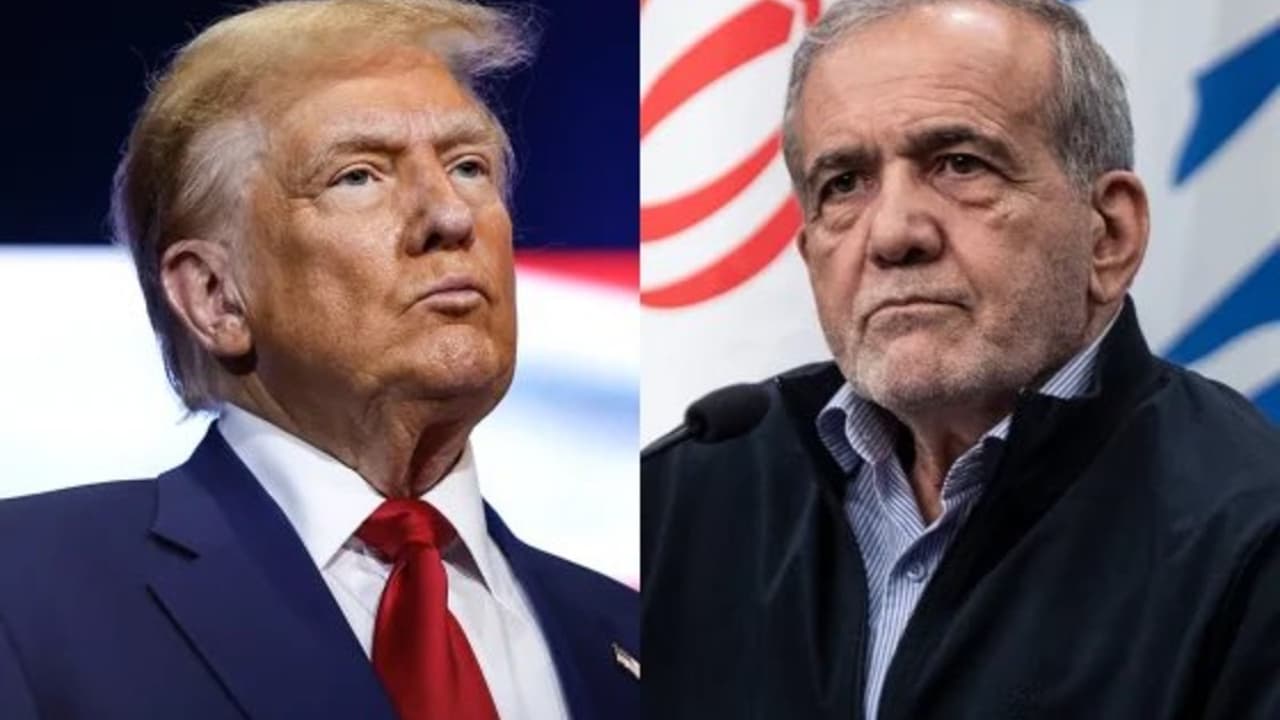
The US and Iran are reportedly finalizing a 14-point memorandum to de-escalate conflict. This potential breakthrough aims to halt military actions, restore maritime stability in the Strait of Hormuz, and restart nuclear negotiations.
US-Iran Talks Move Closer To Historic Breakthrough
The United States and Iran are reportedly inching closer to ending the escalating Middle East conflict after months of military tensions, naval confrontation, and fears of a full-scale regional war. According to multiple international reports, negotiators from both countries are now finalising a one-page, 14-point memorandum of understanding (MoU) aimed at formally ending hostilities and reopening diplomatic channels between Washington and Tehran.
The proposed framework is being described as the most serious diplomatic progress between the two countries in years. The memorandum reportedly focuses on halting military escalation, reducing economic pressure, restoring maritime stability in the Gulf region, and restarting negotiations surrounding Iran’s nuclear programme.
At the centre of the proposed agreement is Iran’s nuclear activity. Reports suggest Iran may agree to suspend uranium enrichment for a fixed period as part of the negotiations. While the United States reportedly demanded a 20-year freeze, Tehran initially sought a much shorter duration. Negotiators are now believed to be discussing a compromise formula that could last nearly 15 years.
Another major provision under discussion reportedly involves Iran removing large quantities of highly enriched uranium stockpiles from its territory. The move would represent one of Tehran’s biggest concessions in years and is expected to be linked to phased sanctions relief from Washington. The US is also reportedly considering the release of billions of dollars in frozen Iranian assets currently held abroad.
The negotiations gained momentum after US President Donald Trump paused “Project Freedom,” the naval mission launched to secure unrestricted shipping access through the Strait of Hormuz. The decision was widely interpreted as a signal that the White House was prioritising diplomacy over continued military escalation.
Diplomatic efforts are reportedly being coordinated by US envoys Steve Witkoff and Jared Kushner, while Pakistan and Saudi Arabia are said to be playing mediation roles behind the scenes. Reports indicate that both direct and indirect communication channels have been used during the negotiations.
Strait Of Hormuz, Oil Markets And Regional Stability
One of the most strategically important elements of the proposed memorandum concerns the Strait of Hormuz — the narrow but critical waterway through which nearly one-fifth of the world’s oil supply passes every day. The route became one of the biggest flashpoints during the conflict after military deployments and shipping restrictions raised fears of a major global energy crisis.
According to reports, Iran would ease restrictions on commercial shipping and reduce interference with maritime traffic under the proposed deal. In return, the United States would scale back its naval blockade and reduce military pressure around Iranian waters. Analysts believe this aspect of the agreement could have immediate economic consequences across global markets.
Global oil prices have already reacted to reports of progress in negotiations. Investors reportedly see the agreement as a sign that the risk of supply disruption in the Gulf region may reduce significantly in the coming weeks. Energy markets had remained volatile for months due to fears that continued confrontation could impact shipping routes and trigger broader instability across the Middle East.
Beyond oil markets, the proposed deal also carries major geopolitical implications. A successful agreement could lower the risk of proxy conflicts involving Iran-backed armed groups operating across Iraq, Syria, Lebanon and Yemen. Gulf countries that have long feared regional instability are reportedly monitoring the talks closely, while Israel is also believed to be watching developments with caution.
The memorandum is expected to function as a temporary confidence-building framework rather than a final peace treaty. Reports suggest the document could establish a 30-day diplomatic window during which negotiators would attempt to finalise a broader and more permanent agreement. That long-term arrangement would likely cover nuclear inspections, regional security guarantees, sanctions relief, maritime access and future military restrictions.
Under the tentative framework, both countries would reportedly agree to avoid military escalation during the negotiation period. Iran would reduce provocative actions in the Gulf region, while the US would ease enforcement linked to the blockade. However, Washington is also said to be insisting on provisions that would allow military action to resume if Tehran violates the agreement.
Internal Resistance And Uncertainty Over Final Deal
Despite the optimism surrounding the talks, major obstacles still remain. Iran has publicly denied agreeing to several reported conditions and insists that any final proposal must protect its sovereignty and national interests. Iranian Foreign Ministry spokesperson Esmaeil Baqaei rejected claims suggesting Tehran had already accepted a suspension of nuclear activities.
Internal political divisions inside Iran are also complicating negotiations. Reports suggest moderate factions within the government favour diplomatic engagement to ease economic hardship, while hardliners within the Islamic Revolutionary Guard Corps (IRGC) remain deeply sceptical of American intentions and fear that concessions could weaken Iran strategically.
The White House is also facing domestic political scrutiny. President Trump has reportedly come under pressure from lawmakers demanding clarity over the administration’s military strategy and legal authority surrounding operations against Iran. Questions regarding congressional approval and the long-term implications of military engagement continue to dominate political debate in Washington.
Meanwhile, analysts caution that even if the memorandum is signed, implementation may remain difficult. Previous diplomatic agreements between the US and Iran have collapsed amid mutual distrust, shifting political leadership and disagreements over enforcement mechanisms. Experts believe rebuilding confidence between both countries will require sustained diplomacy and strict verification processes.
Still, diplomats involved in the process reportedly believe the current negotiations represent the closest Washington and Tehran have come to ending the conflict since tensions escalated months ago. If successful, the proposed agreement could reshape the political balance across the Middle East, stabilise global energy markets, reduce the threat of military confrontation and reopen diplomatic channels that have remained frozen for years.
Also Read: ‘Not Acceptable’: Trump Rejects Iran Peace Plan, Says He’s ‘Not Satisfied’
