
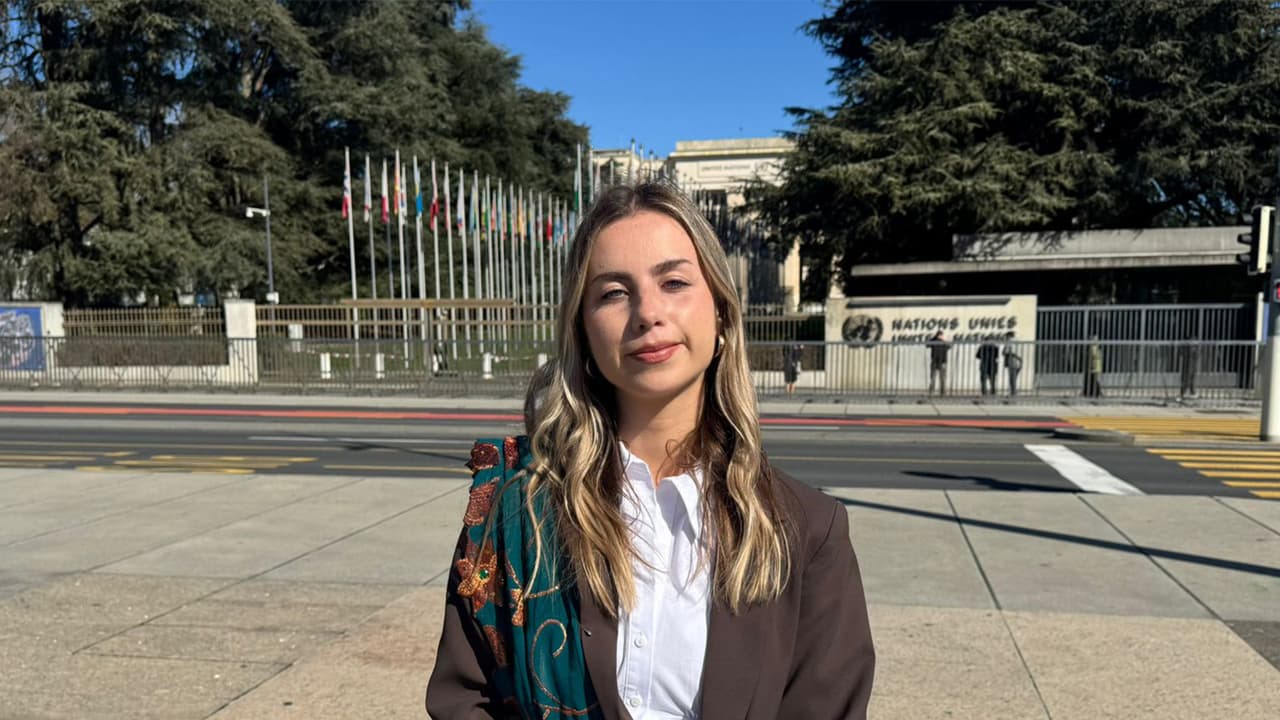
Activist Stephanie Branco Anjo told the UNHRC that true human rights progress is measured by grassroots change, not just laws. Citing Sambhali Trust's work, she stressed the importance of community initiatives in education and empowerment.
At the 61st Session of the United Nations Human Rights Council in Geneva, human rights activist Stephanie Branco Anjo highlighted the importance of grassroots initiatives in translating global human rights commitments into meaningful change in people's daily lives. Speaking on Thursday, Anjo, a representative of the Sambhali Trust, emphasized that the progress of human rights should not only be measured through laws and resolutions, but through everyday improvements in communities.
According to her, consistent efforts at the grassroots level -- ensuring access to education, safety, dignity, and opportunity--are where human rights truly take shape.
Impact of Grassroots Organisations
Drawing from the work of Sambhali Trust, she noted that tangible progress is visible in community initiatives such as Primary Education Centers and Sakhiyon Ki Baadi Centres, where girls are returning to classrooms and gaining access to education. Through empowerment centres, many women are also developing livelihood skills, helping restore confidence and economic independence.
Highlighting India's Development Initiatives
Anjo also highlighted India's people-centred development initiatives that support education, nutrition, sanitation, housing, and digital inclusion. Programmes such as the Mid-Day Meal Scheme and Poshan Aahar have played a role in reaching millions of people across the country.
She said that every educated girl, every woman earning with dignity, and every child who feels protected reflects a positive trajectory toward inclusive development.
A Call for Global Cooperation
Calling for stronger global cooperation, Anjo urged nations to support civil society organisations, invest in community-based solutions, and protect human rights defenders.
She stressed that the success of human rights efforts should be measured not only through policy adoption but through the lived dignity and opportunities experienced by people in their everyday lives.
(Except for the headline, this story has not been edited by Asianet Newsable English staff and is published from a syndicated feed.)