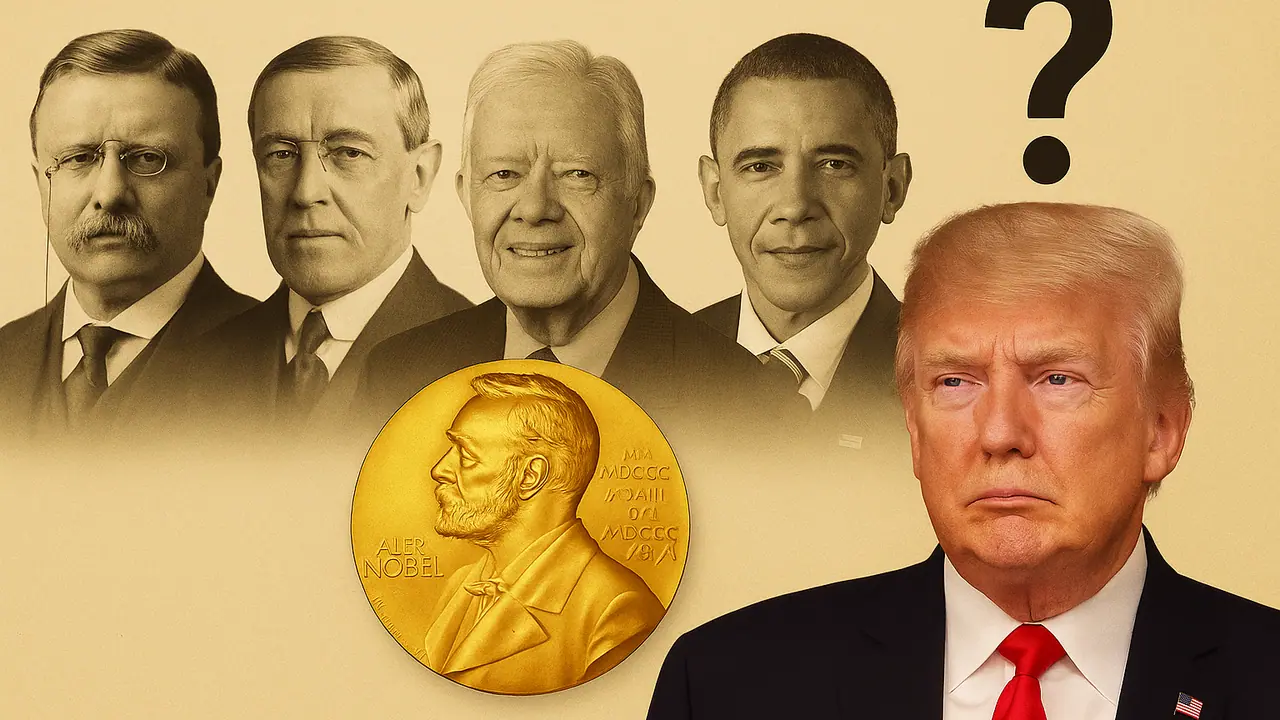
Four U.S. Presidents have received Nobel Peace Prize — each for shaping global diplomacy in unique ways. As Donald Trump calls for his own nomination, we revisit legacies of Roosevelt, Wilson, Carter, Obama to understand what the prize truly honors
Donald Trump has never shied away from publicly stating his aspirations of getting a Nobel Peace prize. The aftermath of the India-Pakistan conflict in April saw Donald Trump once again reiterating his desire for the coveted Nobel Peace Prize.
Couple of days back, Pakistan's Army General Asim Munir recommended Donald Trump's name for facilitating in the ceasefire between India and Pakistan. The claim has been refuted by India.
Yesterday, the head of Ukranian parliamentary foreign committee, Oleksandr Merezhko who had previously nominated Trump, withdrew his nomination as he 'lost any sort of faith and belief' in Trump's ability to negotiate a ceasefire deal between Russia and Ukraine.
Related Articles

Today, Republican lawmaker, Buddy Carter put forward his recommendation of Donald Trump for the Nobel Peace prize. He lauded president Trump for brokering the ceasefire between Israel and Iran.
However, whether the 47th American president indeed manages to secure a Nobel Peace Prize is something that we will know later. In the meantime, let's take a moment to check out the four US presidents who did manage to win the coveted Peace Prize while in office.
Theodore Roosevelt (1906)
Theodore Roosevelt created history in 1906, not only for being the first American President to win the Nobel prize but for being the first American ever to win any Nobel prize. The Nobel Committee awarded him the peace prize as he managed to bring to an end the bloody Russo-Japanese War (1904-1905). His craft statesmanship and political maneuvering not only ended the war but thrust America at the centre of global diplomacy.
Roosevelt managed to contain Russia and Japan's imperial ambitions in Manchuria and Korea and it managed to get the two warring nations sign the peace treaty at Portsmouth in 1095. Roosevelt's pragmatism was highly awarded by the Nobel Peace committee. He donated the prize money for charitable causes including a fund to promote industrial peace.
Woodrow Wilson (1919)
Who can forget Woodrow Wilson's contributions during the aftermath of the First World War then known as the Great War. The 28th US president was one of the chief architects of the peace treaty signed after the First World War. In January of 1918, Wilson presented his famous Fourteen Points, as a blueprint for just and lasting peace. Wilson envisaged a new world order based on diplomacy, collective security and internationalism. He recommended the creation of the League of Nations which would be entrusted with maintaining world peace. Though his vision faltered as League of Nations failed to prevent the second world war, it is on his ideals that the modern United Nations is based on. Ironically, the famous League of Nations Woodrow himself envisioned and championed, the US never joined it .
But the Nobel Peace committee recognized his efforts in ending World War 1. They awarded Wilson for his new vision of a cooperative world order based on international diplomacy and collective security.
Jimmy Carter (2002)
While not during his term, the 39th American President, Jimmy Carter won the Nobel Peace prize in 2002, almost two decades after leaving the white house.
Jimmy Carter was awarded the Nobel prize for his 'untiring effort to find peaceful solutions to international conflicts'. While not only for service during office, Carter was recognised for his work in countries like Nicaragua, Sudan, Indonesia. He helped to mediate disputes in North Korea, Haiti. He and his team worked hard to eradicate diseases like Guinea worm and river blindness in Africa. He believed in the power of dialogue and development which starts at the grassroots.
In 2002, Nobel Peace prize acknowledged Carter's moral clarity and awarded his quiet diplomacy amid clamour of US unilateralism in the early 2000s.
Barack Obama (2009)
In 2009, less than nine months into his first term, the 44th US President, Barack Obama was awarded the Nobel Peace prize. The award came as a shock to many not because Obama was not worthy, but because the award came so early in his presidency. The Obama era policy turned it's face from the Bush era unilateralism. The Nobel committee credited Obama's effort to reset global relationships and his reaffirmed commitment towards nuclear disarmament.
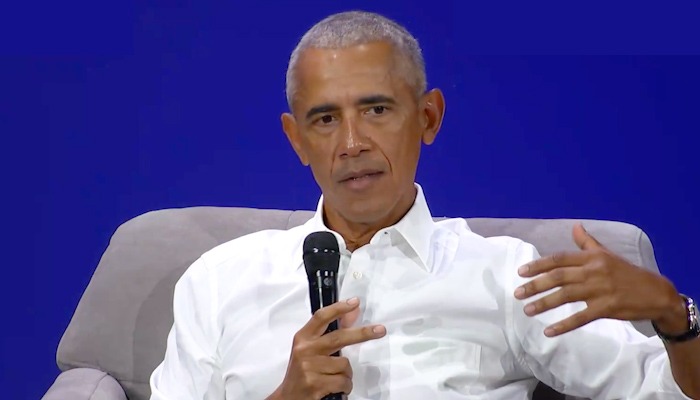
While accepting the award, Obama responded with humility saying how surprised he was at the recognition but he accepted it as a called to action 'rather than a validation of accomplishments...'. Nevertheless, Obama's Nobel prize captured a rare moment of global optimism. It started believing that diplomacy, engagement and high leader could define global politics and reimagine America's role in the world order.
As the clamour for the highest peace prize intensifies, this is a quiet reflection to the high ideals that were awarded in the past. The Nobel peace prize is not a trophy, nor a political transaction. It is a symbol of global contribution and is tied to the broader vision for humanity.