
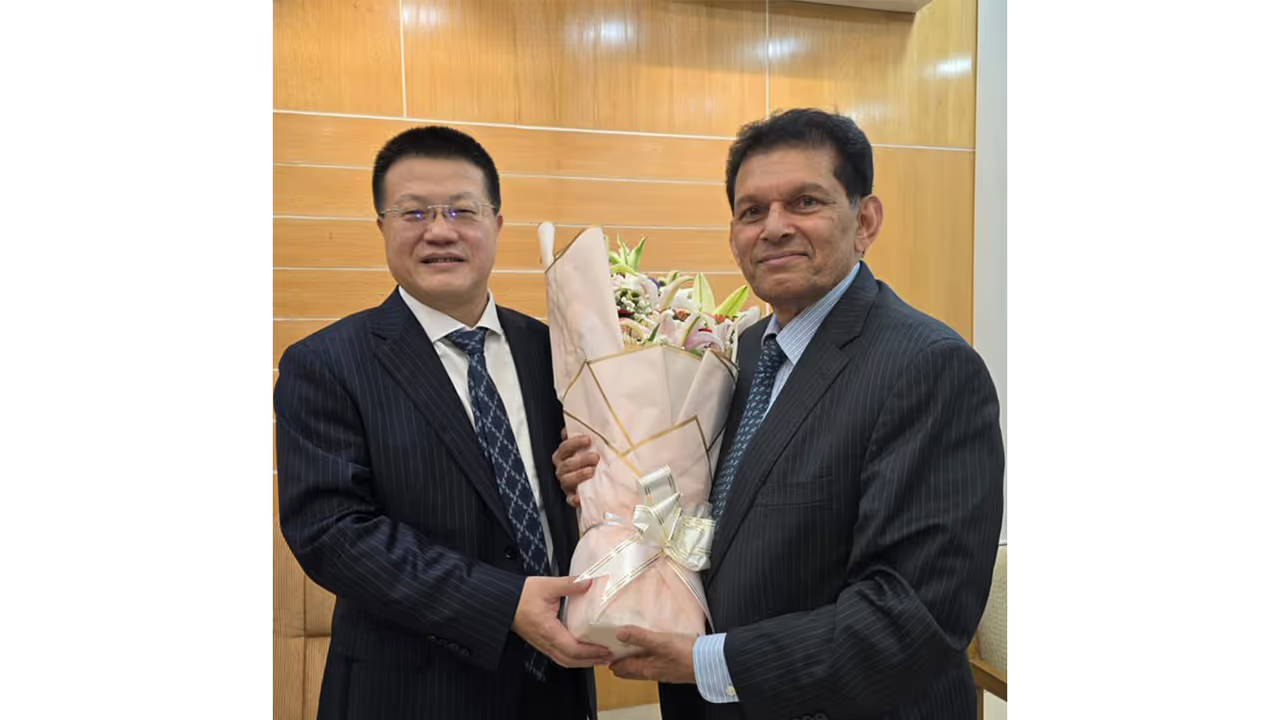
Chinese Ambassador Yao Wen met Bangladesh's NSA Khalilur Rahman, reaffirming support for the Teesta project and Bangladesh's democratic transition. The envoy plans to visit the project area, reiterating China's commitment to bilateral cooperation.
China, Bangladesh Reaffirm Ties in High-Level Meeting
Chinese Ambassador to Bangladesh Yao Wen paid a courtesy call on National Security Adviser Khalilur Rahman at the Chief Adviser's Office on Sunday, according to a statement from the office of Bangladesh Interim government Chief Adviser Muhammad Yunus. The statement said the meeting was held in a "cordial and constructive atmosphere," during which both sides exchanged views on issues of mutual interest and reaffirmed the longstanding friendship and development cooperation between Bangladesh and China.
Focus on Key Infrastructure Projects
Discussions included the Teesta River Comprehensive Management and Restoration Project and the proposed Bangladesh-China Friendship Hospital, the statement noted. In this context, the Chinese Ambassador informed that he would visit the Teesta project area and reiterated China's commitment to expeditiously completing the ongoing technical assessment.
Support for Democratic Process
The statement further said the Ambassador reaffirmed his government's continued support for Bangladesh's ongoing democratic transition and conveyed best wishes for the successful conduct of the forthcoming national elections. Both sides expressed satisfaction with the positive momentum in bilateral relations and reiterated their shared commitment to further strengthening cooperation for mutual benefit, the statement added.
Expanded Strategic and Economic Engagement
In 2025, Bangladesh substantially expanded its strategic and economic engagement with China, highlighted by Chief Adviser Muhammad Yunus's visit to Beijing, during which agreements worth over USD 2.1 billion in investments, loans and grants were signed for infrastructure, energy and digital development. The moves signalled a stronger phase of alignment following the change in government, increasing China's footprint. Key developments included a trilateral dialogue with Pakistan, greater Chinese backing for the Teesta project, and an emphasis on economic integration and digital infrastructure, with Beijing offering major financial support for priority initiatives.
(Except for the headline, this story has not been edited by Asianet Newsable English staff and is published from a syndicated feed.)