The Balochistan Liberation Army launched coordinated militant attacks across Pakistan’s Balochistan province, notably involving female suicide attackers. The outlawed group released photos of the women, a new tactic in the long-running insurgency.
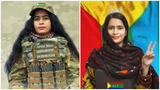
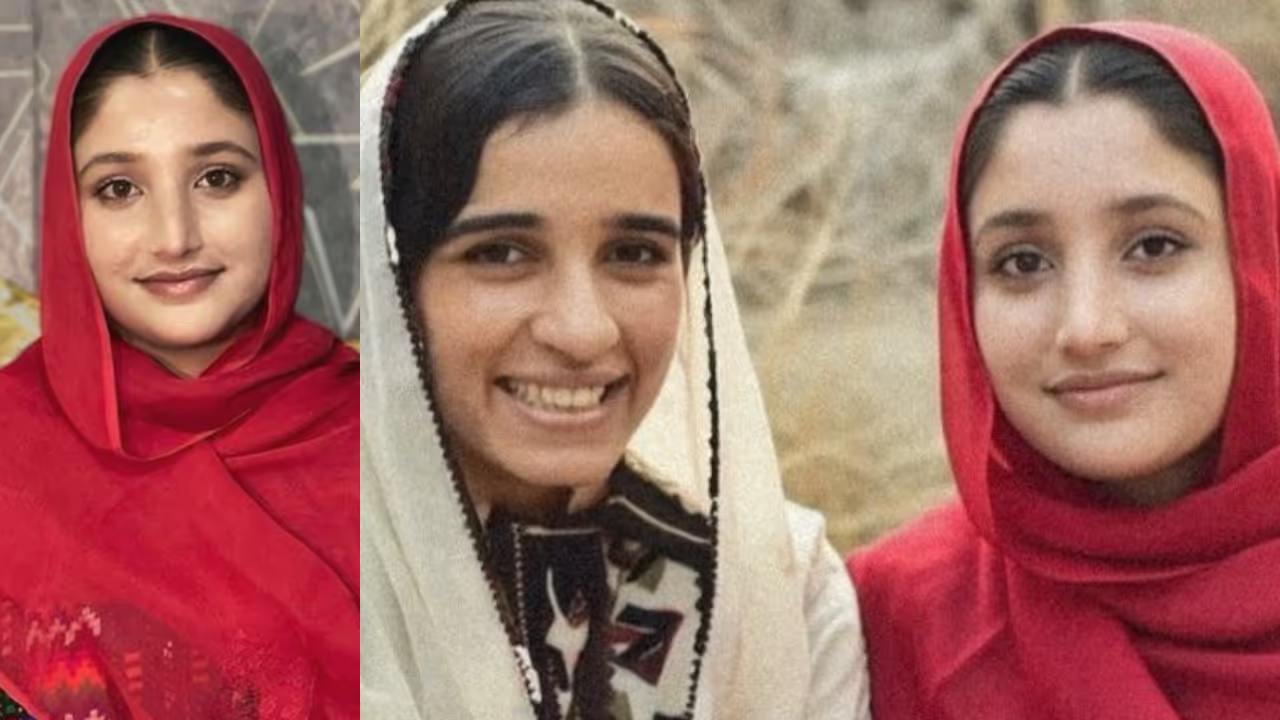
A wave of coordinated militant attacks across Pakistan’s restive Balochistan province has drawn fresh international attention as the Balochistan Liberation Army (BLA) released photos of two female ‘fidayeen’ (suicide) attackers purportedly involved in the violence.
The images and accompanying statements from the outlawed group have highlighted both the intensity of the recent assault and the evolving role of women fighters in the decades-long insurgency.
The BLA claimed that its offensive, described as the second phase of its overarching campaign codenamed “Operation Herof,” involved simultaneous strikes across multiple districts of Balochistan — including Noshki, Gwadar, Hub, Chaman, Naseerabad and Makran — beginning late Friday and continuing into Saturday.
The group’s released photos identified one female attacker as 24-year-old Asifa Mengal, who allegedly carried out a vehicle-borne improvised explosive device (VBIED) attack on the Inter-Services Intelligence (ISI) headquarters in Noshki.
Related Articles

While the identity of the second woman remains unconfirmed, a widely circulated video shows her before the assault, smiling and holding a weapon alongside male militants, taunting the Pakistani government.
Pakistan’s Defence Minister Khawaja Asif confirmed that at least two of the attacks involved female perpetrators, a development described as unusual in the long-running insurgency. In response, security forces launched an extensive counter-operation lasting nearly 40 hours.
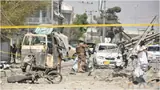
Official figures released by provincial authorities and international news agencies report that dozens of people were killed, including security personnel and civilians, and that more than 140 militants had been killed in ensuing clashes.
The attacks reportedly included suicide bombings, armed assaults on police stations, paramilitary installations, and public spaces, with some militants allegedly disguising themselves as civilians to enter schools, hospitals and markets before opening fire.
Pakistan’s Chief Minister Sarfraz Bugti said prior intelligence warnings helped prevent militants from seizing full control of major cities or strategic installations, but the violence still marked one of the deadliest flare-ups in Balochistan in recent years.
Analysts say the release of photos and videos of the women fighters reflects a propaganda component of the BLA’s strategy, aimed at showcasing the depth of its ranks and appealing to broader local and diaspora support. It also underscores the continued volatility in Balochistan, where armed separatist groups have long sought greater autonomy and control over the region’s abundant natural resources. Amidst these claims and counter-claims, official casualty figures and militant statements remain difficult to independently verify.