
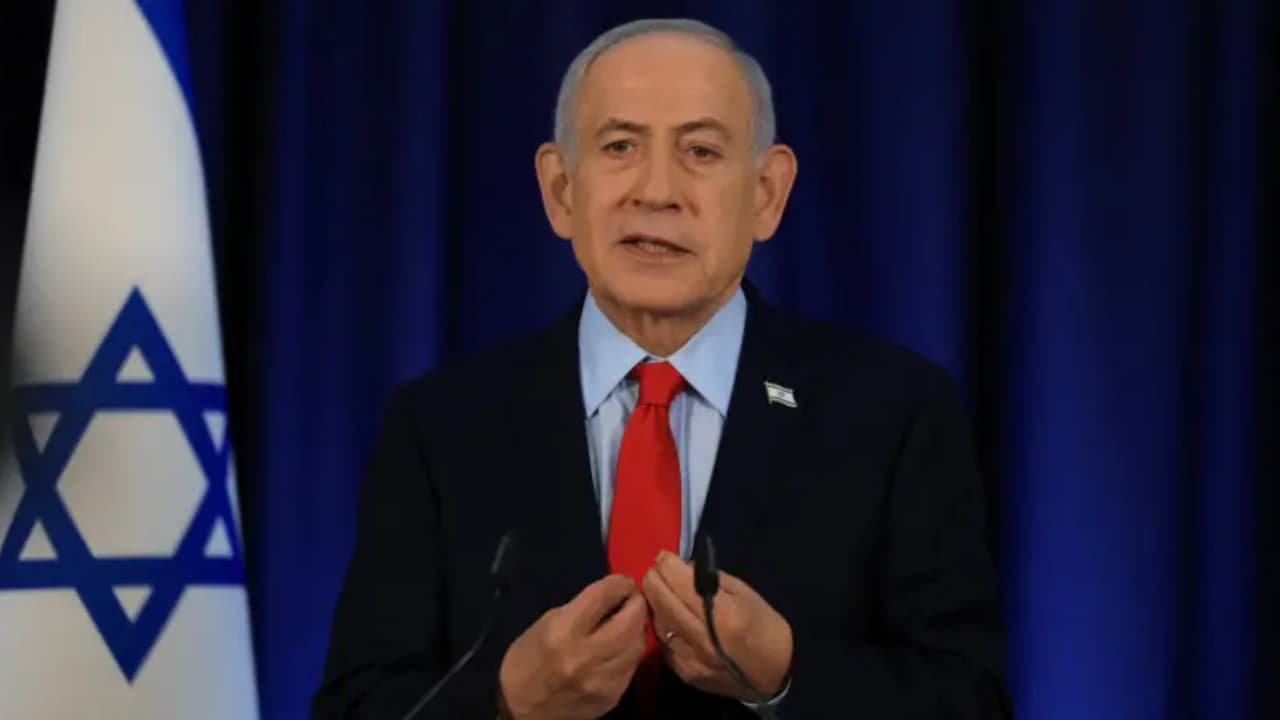
Israeli Prime Minister Benjamin Netanyahu has proposed direct peace talks with Lebanon, aiming to disarm Hezbollah and establish peaceful relations. The offer follows deadly Israeli airstrikes, creating a volatile context for diplomacy. Lebanon has indicated openness to negotiations but requires a ceasefire as a precondition for formal discussions.
Israeli Prime Minister Benjamin Netanyahu has announced that Israel is ready to begin direct peace talks with Lebanon “as soon as possible,” marking a potential diplomatic opening despite ongoing violence in the region. The statement comes just a day after one of the deadliest rounds of Israeli airstrikes in Lebanon, which killed hundreds and intensified concerns over a widening regional conflict.
“In light of Lebanon’s repeated requests to open direct negotiations with Israel, I instructed the cabinet yesterday to start direct negotiations with Lebanon as soon as possible,” Netanyahu said.
He outlined that the proposed discussions would focus on “disarming Hezbollah and establishing peaceful relations between Israel and Lebanon,” signalling a strategic objective to neutralise the Iran-backed militant group while attempting to stabilise ties between the two countries.
The move comes amid a fragile ceasefire environment linked to broader tensions involving Iran and the United States. However, ambiguity remains over whether Lebanon is covered under the truce, with Israel maintaining that its operations against Hezbollah will continue despite diplomatic outreach.
Also Read: Israel Strikes Kill 250 in Lebanon’s Deadliest Day, Ceasefire on Brink
The announcement follows intense Israeli military action across Lebanon, including strikes in Beirut, the Bekaa Valley, and southern regions, which resulted in significant casualties and widespread destruction. The scale of the attacks has drawn international concern and raised questions about the timing of Israel’s diplomatic overture.
Lebanon, on its part, has indicated openness to negotiations but is pushing for a ceasefire as a precondition for formal talks. Officials have suggested that any agreement may follow a model similar to the US-Iran ceasefire framework, potentially involving international guarantees.
Despite Netanyahu’s statement, the situation on the ground remains volatile. Israel has made it clear that talks could proceed even as military operations continue, reflecting a dual-track strategy of diplomacy and force. Analysts say this approach could complicate negotiations, particularly with Hezbollah rejecting direct engagement with Israel and insisting on conditions such as troop withdrawal and a halt to attacks.
The development also comes under pressure from global stakeholders, including the United States, which has urged restraint to preserve ongoing diplomatic efforts in the region. The prospect of direct Israel-Lebanon talks—if realised—would mark a significant shift in a historically hostile relationship.
As tensions persist, Netanyahu’s push for negotiations underscores a complex moment in Middle East geopolitics, where diplomacy, military action, and regional power dynamics are unfolding simultaneously. The coming days are likely to determine whether this initiative leads to meaningful dialogue or further escalation.
Also Read: Israel's Lebanon goal separate from Iran ceasefire, says envoy Azar
