Iran faces severe domestic unrest over economic and political dissatisfaction . as nationwide protests turn deadly with over 5,000 killed and global tensions rise. A deadly government crackdown has resulted in thousands of deaths, the most since 1979
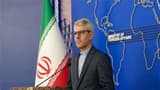
Iran is at the center of escalating domestic unrest and mounting international tensions after weeks of nationwide protests over economic hardship and political dissatisfaction. In a stern message to Washington, Iranian President Masoud Pezeshkian warned that any attack on Supreme Leader Ayatollah Ali Khamenei would be tantamount to “all-out war” against the Islamic Republic -- a declaration that puts further strain on already fraught US-Iran relations.
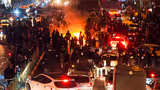
The warning comes against the backdrop of bitter protests that began on December 28 last year, initially triggered by soaring inflation and a collapsing currency. What started as demonstrations over economic grievances rapidly morphed into broad anti-government unrest, with demonstrators in multiple cities demanding political change and an end to clerical rule.
Iranian authorities responded with a heavy crackdown, including widespread arrests and a near-total internet blackout for days, making independent monitoring of the protests difficult.
Related Articles

According to Iranian officials cited by international news organisations, at least 5,000 people have been killed in the unrest, including approximately 500 members of the security forces. The regime described those responsible for many of the deaths as “terrorists and armed rioters” and blamed external forces for fuelling violence.
This figure marks the deadliest period of unrest in Iran since the 1979 Islamic Revolution, though independent activists and human rights organisations caution that actual casualties and arrests could be significantly higher.
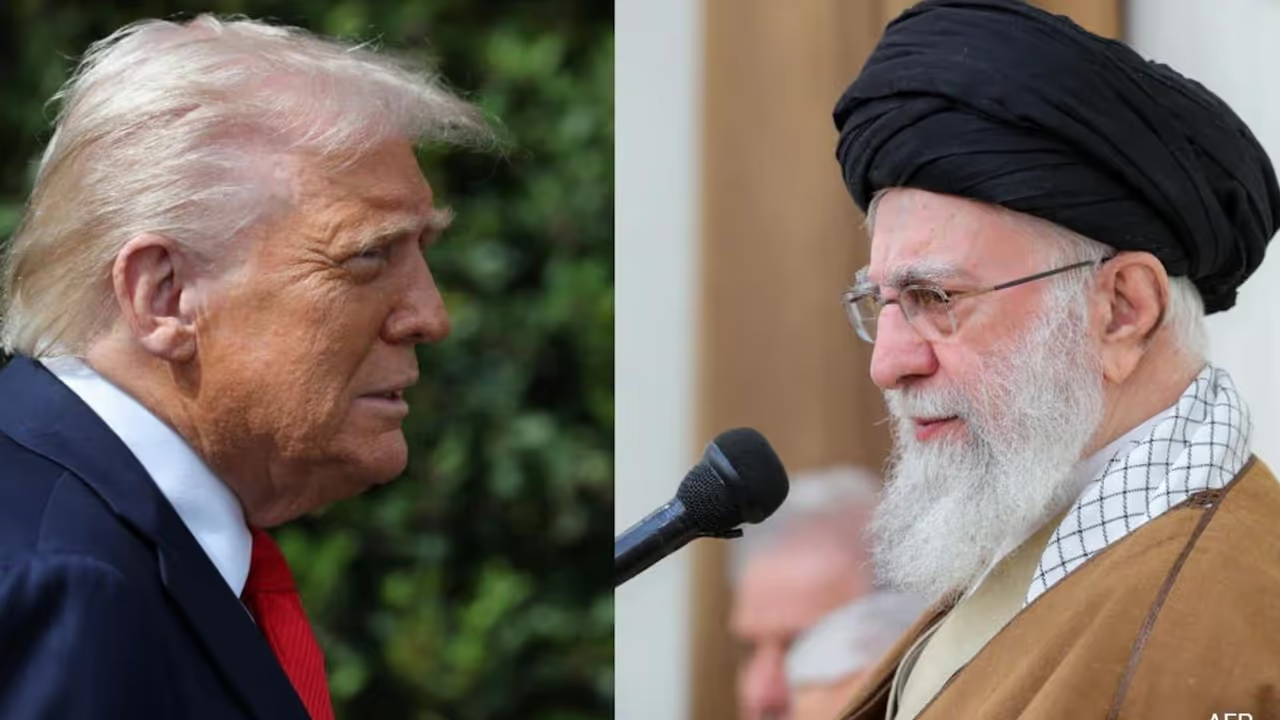
In addition to the warnings issued to the US, Iran’s Supreme Leader Ayatollah Khamenei has publicly blamed both the United States and Israel for instigating the unrest, accusing “those linked to Israel and the US” of causing “massive damage” and contributing to the deaths of thousands during the protests. Khamenei also labelled US President Donald Trump a “criminal” for his perceived involvement and support for protest movements in Iran.
The tension between Tehran and Washington has been further inflamed by outspoken rhetoric from both sides. While Iran’s leadership insists it does not seek war, it has made clear that it will respond forcefully to what it considers foreign attacks or interference. Meanwhile, Trump has publicly criticised the Iranian regime and suggested that a leadership change might be necessary, contributing to the volatile diplomatic environment.
Beyond Iran’s borders, world leaders are watching closely, as the potential for regional escalation looms large. The crisis highlights the growing clash between internal dissent in Iran and its geopolitical rivalry with the United States and its allies, signalling a moment of significant instability in the Middle East.
(With inputs from agencies)