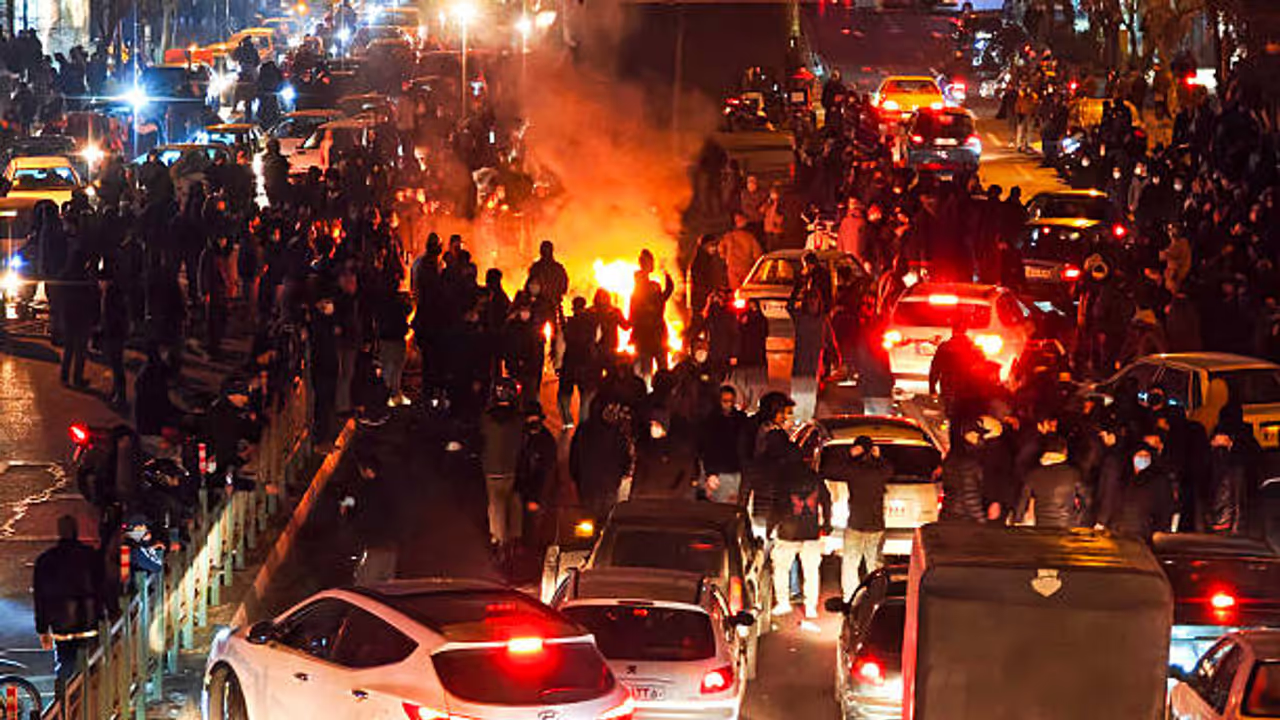
Reports from UK officials suggest Iran used chemical substances to control protesters. Alleged delayed health reactions led to deaths days later, sparking international concern.
Fresh allegations and reports from UK suggest that Iranian security forces may have deployed chemical weapons or toxic substances to crush dissent across the country. The claims surfaced during a special broadcast on British network GB News on Saturday, which cited an internal document described as “credible.” The report is yet to receive official confirmation from Western intelligence agencies.
As per, The Jerusalem Post, Bill Esterson, a member of the British Labour Party’s foreign policy team, presented details from the report on GB News, throwing light on what appears to be a rapidly deteriorating situation inside Iran. According to the findings, prisons in major cities are buckling under severe overcrowding following mass arrests of protesters. Courtrooms, meanwhile, are reportedly packed with desperate families of detainees, while lawyers have been barred from entering, stripping those arrested of legal representation.
A 'toxic chemical substance'
The most chilling revelation in Esterson’s report centres on allegations that a “toxic chemical substance” was used against demonstrators. Testimonies indicate the substance caused delayed health effects, with some victims reportedly dying days after exposure rather than immediately, raising alarming questions.
Related Articles

During the GB News studio discussion, presenters noted that the number of people killed or injured due to the suspected use of such substances is believed to be extremely high. British journalist Patrick Christys stressed the significance of the “delayed reaction,” warning that it makes identifying the true cause of death or injury far more difficult in the immediate aftermath.
The conversation quickly drew disturbing historical parallels. GB News commentators referenced Saddam Hussein’s infamous massacre in Halabja, where chemical gas was unleashed on Kurdish civilians, as well as allegations levelled against Syria’s Assad regime for deploying chemical agents against protesters.
No official confirmation regarding Iran's use of chemical weapons
So far, no official confirmation has been issued by government authorities in the US or Europe regarding Iran’s alleged use of chemical weapons. Even so, the mere existence of the report has intensified scrutiny among international observers monitoring human rights abuses in the Islamic Republic.
Concerns have also revived memories of the 2022 protest crackdown, when reports emerged of an unidentified “green gas” being used against demonstrators in the Kurdish cities of Javanrud and Piranshahr. Social media videos from the time showed thick green smoke engulfing streets amid violent clashes with security forces, triggering panic and resurfacing painful memories of past chemical attacks.
Medical experts and chemists who examined the incidents suggested the substance may have been hexachloroethane or adamsite (DM)—agents sometimes used to disperse crowds or create military screening.
According to testimonies and medical assessments, exposure to the gas can cause severe skin irritation, nausea, mental disorientation and temporary muscle paralysis. Doctors warned that while the substance is carcinogenic and appears designed primarily to instil fear among protesters, it is not as immediately lethal as military-grade nerve agents.