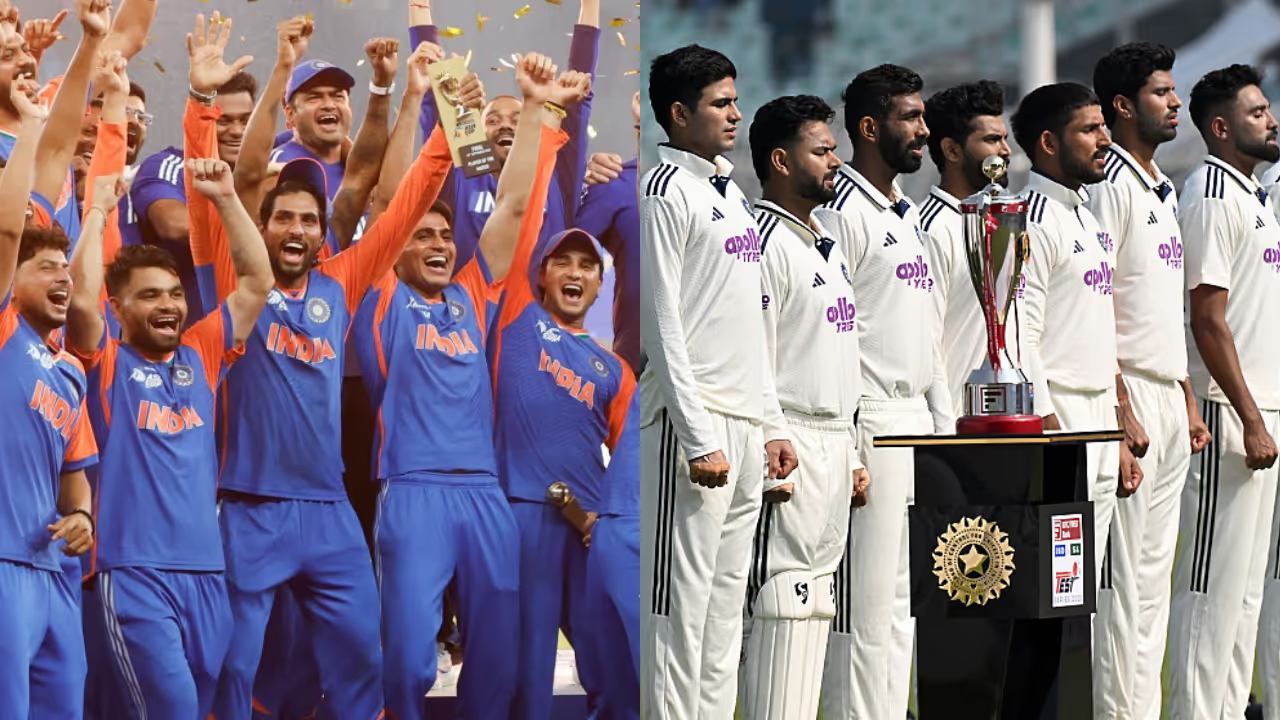
India’s 2025 mixed glory and pain: Champions Trophy and Asia Cup wins, plus a historic Women’s ODI World Cup. Yet Test struggles, Rohit and Kohli’s retirements, the RCB stampede tragedy, and off-field controversies exposed a turbulent year in 2025.
The Indian cricket team has had a rollercoaster ride in 2025, marked by spectacular highs and disappointing lows, as well as controversies that kept fans on the edge of their seats. The year has been a sort of true reflection of how the Indian cricket team’s journey swings from thrilling and dominant victories to unexpected setbacks that put their resilience and consistency to the test.
Throughout the year, Team India experienced moments that tested their character both on and off the field, with intense media scrutiny and the pressure of living up to sky-high expectations. As 2025 comes to an end, here’s the recap of how Indian cricket navigated a whirlwind of triumphs, setbacks, and controversies throughout the year.
India’s White Ball Dominance that Set the Tone for the Year
Team India has been quite dominant in white-ball cricket throughout the year, starting and ending 2025 with series wins. The Men in Blue kicked off the year in white-ball cricket with a T20I series win over England and concluded with a T20I series victory over South Africa.
Related Articles

India played only three ODI series, but won two against England and South Africa, and lost to Australia Down Under. In T20Is, the Men in Blue had an unbeaten run under the leadership of Suryakumar Yadav, winning all three T20I series, each against England, Australia, and South Africa. The Men in Blue played 12 T20Is across three series, and nine of them, a dominant 75% win percentage, underlining their consistency and control in the shortest format throughout the year.
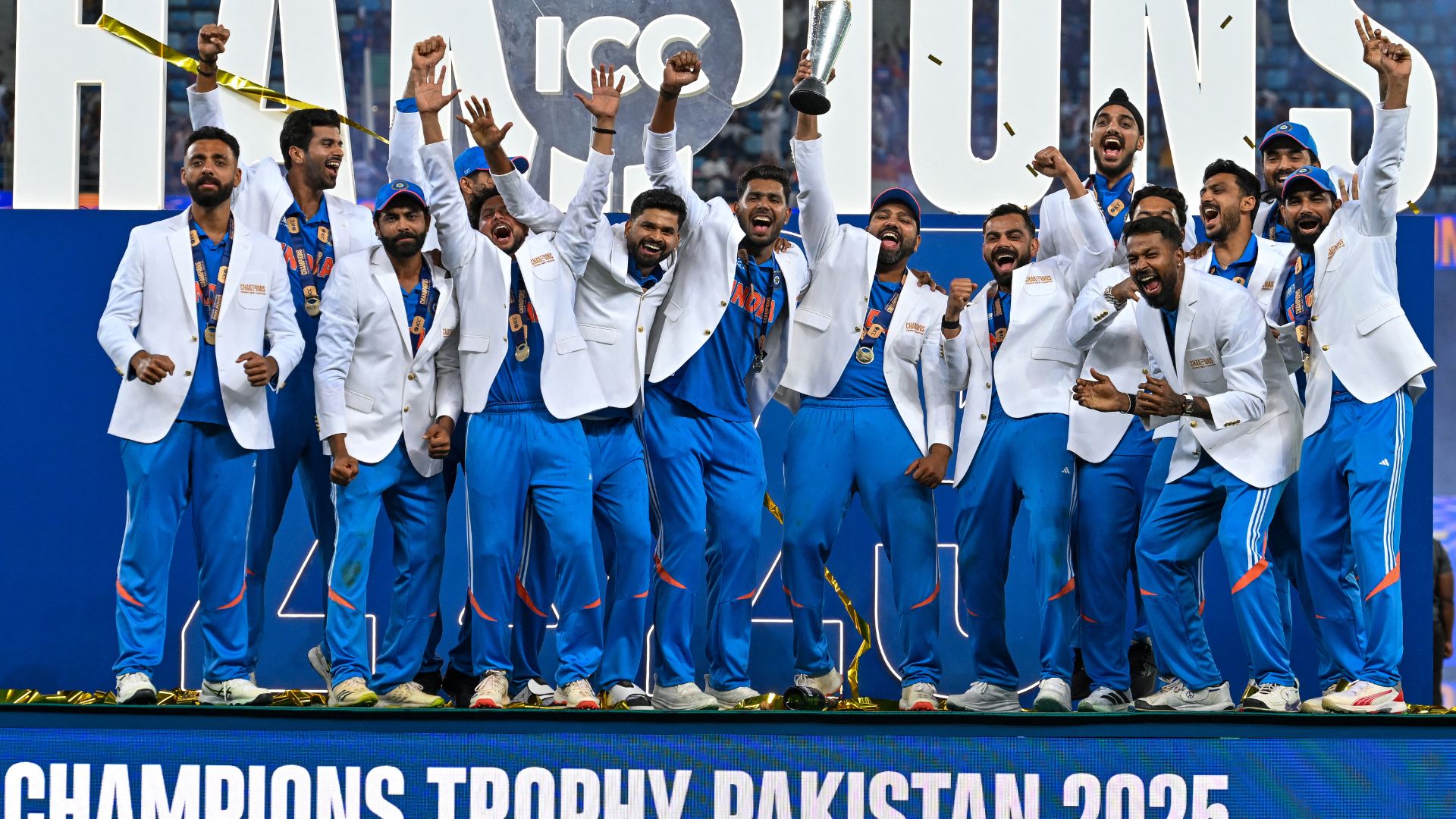
Apart from dominance in white-ball series, Team India also won the Champions Trophy and Asia Cup in 2025. Under the leadership of Rohit Sharma, India culminated their unbeaten run in the Champions Trophy by clinching the coveted trophy, ending their 12-year wait to reclaim the title. The Men in Blue defeated New Zealand by four wickets in the final at the Dubai International Stadium, ending over a decade wait for the Champions Trophy.
On the other hand, Suryakumar Yadav-led Team India successfully defended the Asia Cup title, clinching the record-extending ninth triumph of the tournament. India defeated their arch-rivals, Pakistan, in the final in Dubai, sealing a dominant campaign and reinforcing their supremacy in Asian cricket. Interestingly, the Men in Blue were unbeaten throughout the tournament, winning all seven matches, including the final.
Triumph and Tragedy for Royal Challengers Bengaluru
Royal Challengers Bengaluru (RCB) has a year to remember and forget. The RCB, among the eight original teams since the inaugural season of the IPL in 2008, ended their long-awaited dream of clinching the coveted trophy that eluded them over the last 17 seasons. The Bengaluru-based team eventually became the champions of the IPL, defeating the two-time finalists, Punjab Kings, in the blockbuster title clash at the Narendra Modi Stadium in Ahmedabad.
Royal Challengers Bengaluru’s fans' long wait to witness the team lifting the IPL trophy finally came true. However, the RCB’s historic title triumph was marred by a tragedy that cut short their celebration. Ahead of the IPL 2025 champions’ schedule victory parade in Bengaluru, the city witnessed a tragic crowd at the M Chinnaswamy Stadium, which resulted in a stampede.
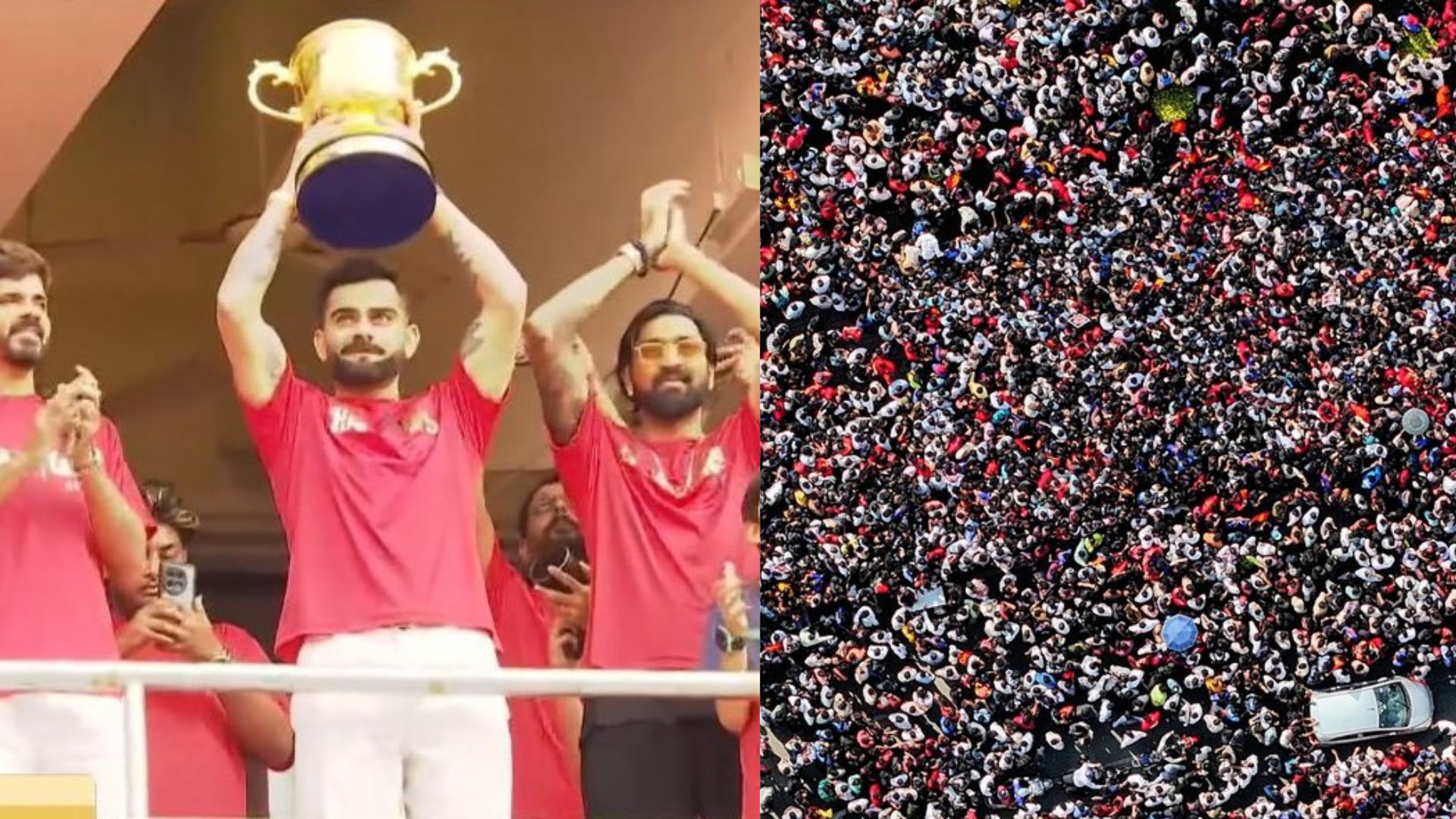
Thousands of fans thronged outside the stadium to catch glimpses of the RCB players, but things went out of control as overcrowding led to chaos, resulting in the deaths of 11 people and injuring 50 others, overshadowing RCB’s historic triumph. Lack of crowd management, inadequate security arrangements, and poor coordination between Karnataka State Cricket Association (KSCA) and the local authorities were cited as key factors behind the tragic incident.
After two months of silence over the tragedy in Bengaluru, Royal Challengers Bengaluru broke their silence by announcing RCB Cares, through which they provided financial support of INR 25 lakh to the family members of victims who lost their lives in the Chinnaswamy stadium stampede.
The Retirement of Veterans
The year 2025 saw three Indian cricket stalwarts, Rohit Sharma, Virat Kohli, and Cheteshwar Pujara, announce their retirements from respective formats. Rohit and Kohli decided to step away from Test cricket ahead of the squad announcement for the England tour. While Cheteshwar announced his retirement from his international career after he was not in the scheme of things in Test cricket since the World Test Championship Final in 2023.
Rohit and Kohli announced their Test retirements a week apart, drawing curtains down on their illustrious red-ball career. Rohit Sharma’s decision to call it quits from his Test career came after he was sacked from Test captaincy duties following the series whitewash against New Zealand at home and the Border-Gavaskar Trophy defeat to Australia Down Under. Though Rohit expressed his interest in being part of India’s Test series against England, he was sacked from captaincy, leading to his retirement.
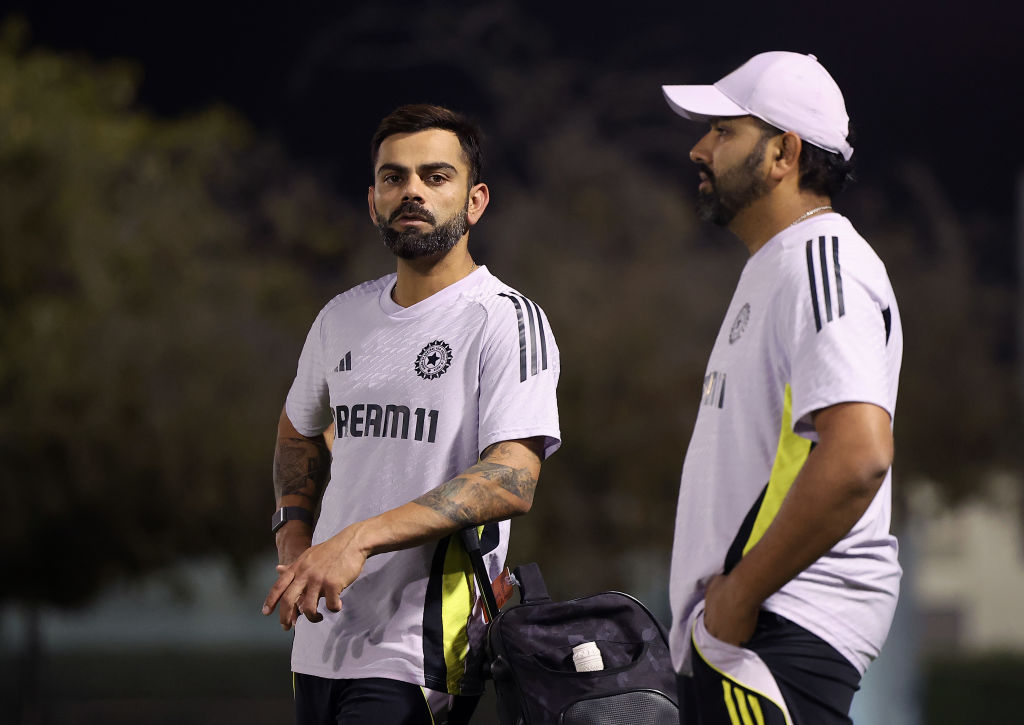
Kohli, on the other hand, announced the decision to retire from his illustrious red-ball career of 14 years and 123 matches after months of speculation about his future in Test cricket following a moderate outing in the Border-Gavaskar Trophy. On May 12, a week after Rohit’s Test retirement, the former India captain surprised the cricket fraternity by announcing his call to move on from his Test career just days before India's squad announcement for the England series.
While. Cheteshwar Pujara was grinding in domestic cricket, especially the Ranji Trophy and County Championship, for two years since his last appearance in 2023. After the WTC Final 2023, the selectors apparently moved on from the veteran batter, who was one of the backbones of India’s batting line-up for over a decade, as they decided to give opportunities to young players. Since Pujara sensed that selectors would no longer recall him to the Test side, he retired from international cricket, ending a career marked by grit and resilience.
India’s Test Cricket Debacles
Indian Test cricket has come under immense scrutiny due to inconsistent performances and results throughout the year. Team India, under the leadership of Shubman Gill and head coach Gautam Gambhir, played three Test series, won one against the West Indies at home, drew one against England away, and were whitewashed by South Africa at home.
In fact, India began the year in Test cricket with a defeat in the final and final Test of the Border-Gavaskar Trophy against Australia at the Sydney Cricket Ground. The Sydney Test defeat resulted in the series loss 3-1, surrendering the BGT trophy to Australia after 10 years. Moreover, with the BGT series defeat, Team India failed to qualify for their third consecutive final of the World Test Championship.
Team India began their new World Test Championship cycle 2025-27 with the England series in England. Under the leadership of Shubman Gill, India pulled off a 2-2 series draw by winning the fifth and final Test, which was the series decider, at the Oval in London. India won at Edgbaston and Oval, lost at Leeds and Lord’s, and secured a draw at Old Trafford, sealing a hard-fought series draw.
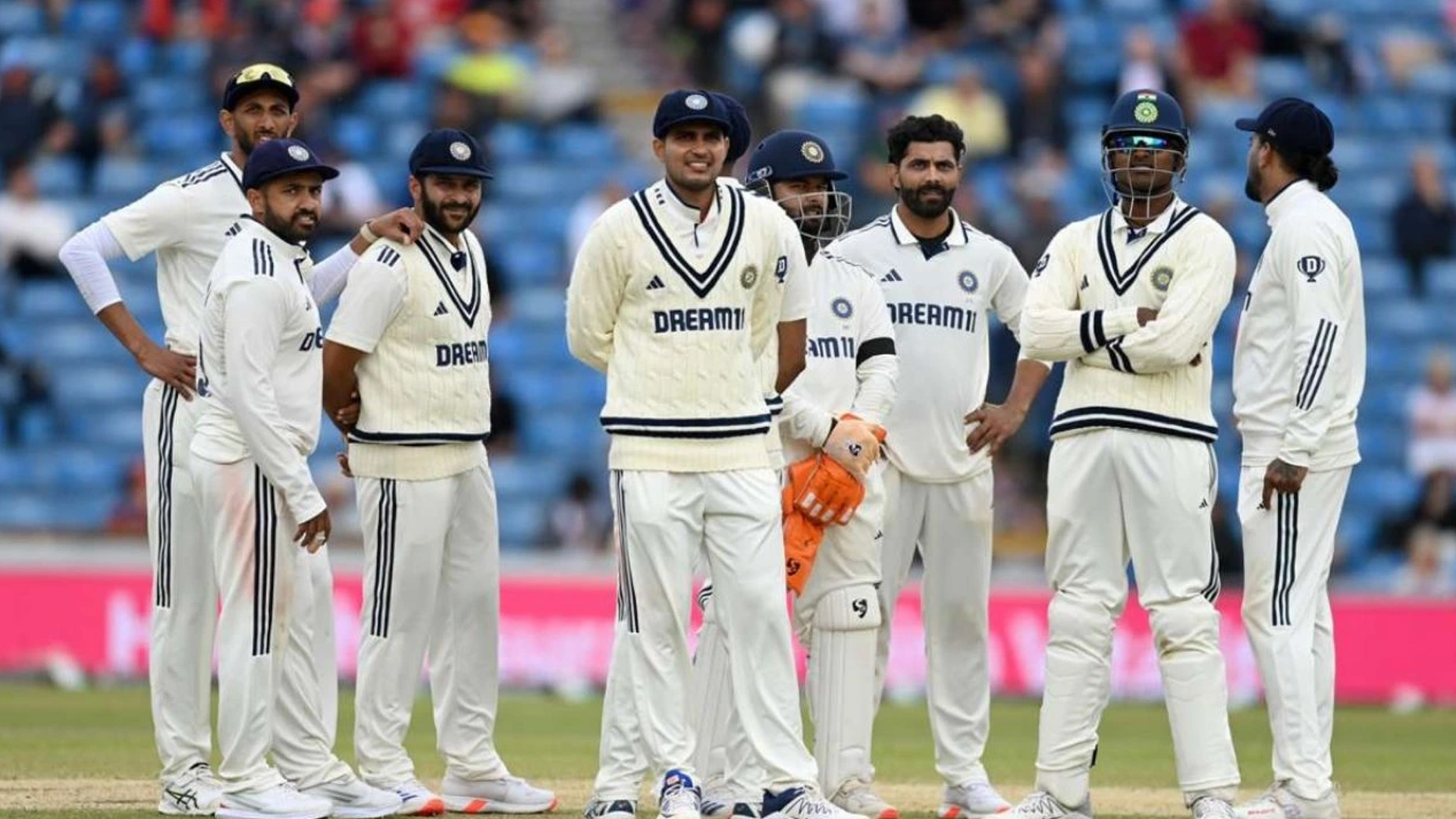
Team India clinched the first Test series in the ongoing WTC cycle by whitewashing West Indies 2-0 at home. However, the home series against South Africa proved to be a nightmare for Team India. India suffered a 0-2 defeat at the hands of the Proteas, who clinched the first Test series on Indian soil in 25 years. Apart from the Test series whitewash, India recorded their heaviest Test defeat on home soil, losing to South Africa by a margin of 408 runs in the Guwahati Test.
India’s Test whitewash at the hands of South Africa has put head coach Gautam Gambhir under scrutiny as his team selection and leadership were questioned. India suffered two Test whitewashes, one each against New Zealand in October 2024 and South Africa in November this year, under coach Gambhir. Gambhir’s record as a coach in Tests is not so impressive, winning seven matches, losing 10, and two draws in 19 games over the last 14 months, with a winning percentage of with win percentage of just 36.84%.
A Landmark Victory for Women in Blue
As the Men’s team endured a mixed year with white-ball dominance and Test struggles, the Indian women’s cricket team brought joy to fans by clinching the ODI World Cup. Team India, led by Harmanpreet Kaur, ended the nation’s 47-year wait to lift the coveted trophy by defeating South Africa in the final at the DY Patil Sports Academy Stadium in Navi Mumbai on November 2-3.
The Women in Blue were on the verge of an early exit after three consecutive losses at the hands of South Africa, England, and Australia, but their crucial group-stage win over New Zealand sealed their place in the semifinal. In the semifinal, India defeated the then-defending champions, Australia, by chasing down a record 339-run target, thanks to Jemimah Rodrigues’ unbeaten knock of 127 off 134 balls.
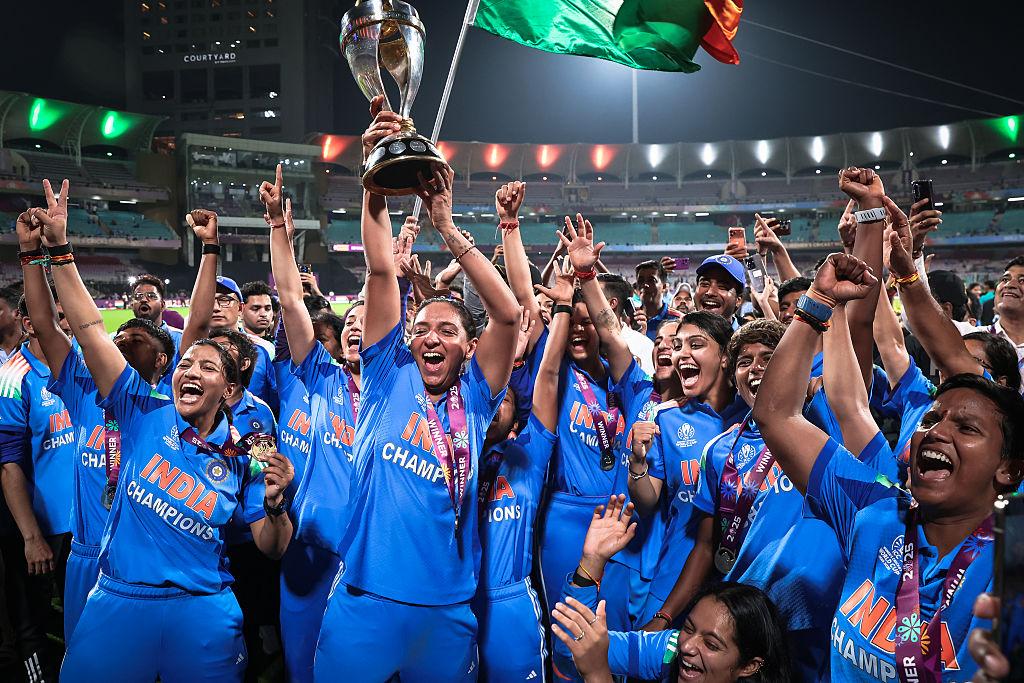
In the final, Harmanpreet Kaur-led side posted a total of 298/7 and set a 299-run target for South Africa to chase. The Proteas skipper, Laura Wolvaardt’s stay at the crease was posing a threat to Team India, but India’s bowlers held their nerve in the middle overs, dismissed centurion Wolvaardt and key batters, and bowled South Africa out for 246, securing a 52-run victory to become the new champions of the Women’s ODI World Cup.
Team India joined Australia, England, and New Zealand to become only the fourth nation to win the Women’s ODI World Cup, marking a historic moment and cementing their place among the elite in women’s cricket.
Asia Cup Controversy That Grabbed Spotlight
India was pushed into controversy during the Asia Cup 2025, beginning with their refusal to shake hands with arch-rivals Pakistan as a mark of protest against the Pahalgam terror attack, and skipper Suryakumar Yadav dedicated their group stage win over the Men in Green to the victims of the terror attack and the Indian armed forces for successfully carrying out Operation Sindoor.
In the Super 4 stage, controversy between India and Pakistan further intensified after Haris Rauf and Sahibzada Farhan sparked a row for their disgraceful gestures, intending to mock the Indian armed forces. Haris and Farhan, alongside Suryakumar Yadav, were summoned by the International Cricket Council (ICC) for disciplinary hearings, with Rauf later fined and banned for two matches after the final. Farhan was left off with a warning, while Suryakumar was fined 30% of his match fee.
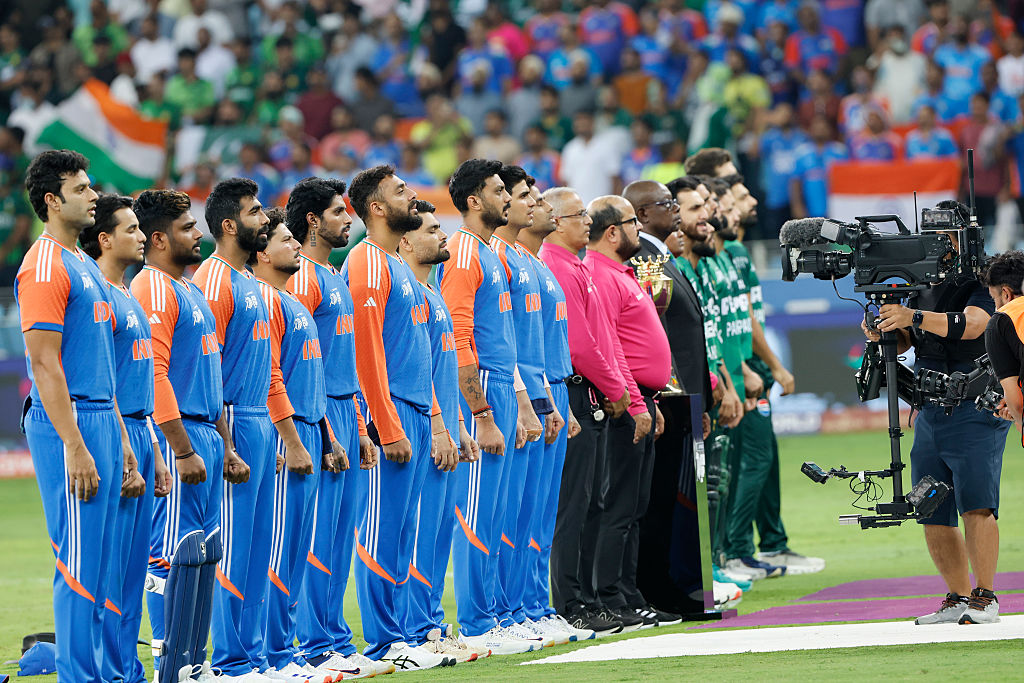
Jasprit Bumrah was also fined 30% of his match fee for the plane crash gesture to celebrate Haris Rauf’s wicket in the final. In the final, Team India defeated Pakistan to win the record-extending ninth Asia Cup, but celebrated without the trophy. The Men in Blue, led by Suryakumar Yadav, refused to accept the silverware from ACC chief and PCB chairman Mohsin Naqvi due to his controversial posts. Since India declined to take the trophy, Naqvi instructed ACC officials to remove the silverware.
For two months, the BCCI and Mohsin Naqvi were at loggerheads, with the ACC chief demanding a formal ceremony attended by India skipper Suryakumar Yadav to collect the trophy, which the board refused. However, the two parties decided to have an amicable solution to ensure India receives their silverware, as confirmed by the BCCI secretary Devajit Saikia.