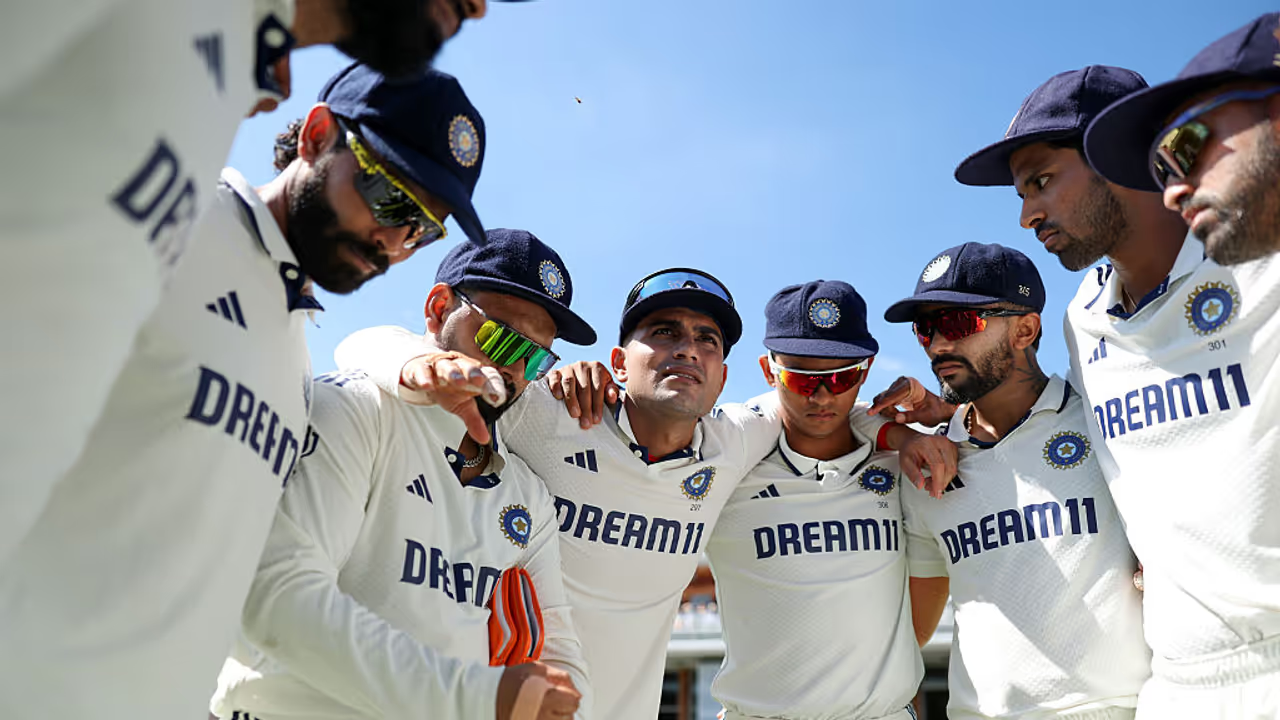
Fresh off their Edgbaston triumph, India take on England at Lord’s in the third Test. England’s surprise call to bat first defied Lord’s norms, giving India’s pacers a golden chance to exploit early movement and seize control.
After the historic Edgbaston Test win, Shubman Gill-led Team India has headed into the third Test of the five-match series against England at iconic Lord’s Cricket Ground in London on Thursday, July 10.
The five-match Test series is currently levelled at 1-1 after Team India clinched an astounding 336-run win at Edgbaston, putting an end to their 58-year wait for a Test win in Birmingham. In the previous eight Test matches at Edgbaston, India failed to win a single game, seven losses, and a draw. However, the Shubman Gill-led side produced a dominant all-round performance to break the jinx and script history.
With series-level heading into the Lord’s Test, Team India will carry on their Edgbaston momentum into the third match with renewed confidence, aiming to take a crucial lead at the iconic venue.
Related Articles

India bowl first for the 1st time in the England series
Ahead of Day 1 of the Lord’s Test, Team India skipper Shubman Gill lost the toss to England captain Ben Stokes for the third time on the trot in the ongoing Test series. However, unlike the last two matches at Headingley and Edgbaston, England opted to bat first, allowing India to bowl first at the start of a Test match in this series.
The Tests at Headingley in Leeds and Edgbaston in Birmingham had two contrary results for Team India after they were put to bat first at the start of both matches. In the first Test, the visitors lost by five wickets despite four batters registering five centuries across both innings. In the second Test, however, India bounced back in style, riding on spectacular batting displays and sensational bowling by Mohammed Siraj and Akash Deep.
England’s decision to go for batting first after winning the toss was quite a surprise as it went against recent trends of teams preferring to bowl first at Lord’s to exploit early movement and moisture.
Speaking of the decision to bat first, England skipper said, “We are going to have a bat. Generally, this surface has some help for the bowlers in the first hour. It (the mood) is good, well-fought series, and we are up for this game.”
England’s tactical decision to bat first
England skipper Ben Stokes’ surprising decision to bat first has a tactical reason. After the second Test defeat at Edgbaston, coach Brendon McCullum admitted that the team failed to misread the pitch in Birmingham, which resulted in Team India piling up runs across the first two days of the first innings.
McCullum urged for ‘a bit more pace, a bit more bounce, and maybe a little bit of sideways,' to better suit England's fast bowlers and avoid the repeat of the Edgbaston Test, where Team India dominated the match on a much flatter surface.
Additionally, with the return of Jofra Archer to Test cricket after four years, England are seemingly aiming to exploit a fresh and green pitch early on in the match, making batting first a strategic ploy by the hosts. Team management likely believes that if they can survive the initial tough phase, batting will get easier as the pitch gets settled.
Also, England are planning to use Shoaib Bashir as much as they can in the later on in the match, most likely Day 3 and Day 4, after the young spinner was forced to bowl on the unhelpful Day 1 of the Edgbaston Test, except for taking
Will bowling first favour Team India?
Speaking at the toss, Team India captain Shubman Gill stated that he would have opted to bowl first, reckoning that the pitch was likely to assist seamers in the first session of Day 1.
“I was confused what to do till this morning. I would have bowled first. There would be something for the bowlers in the first session,” Gill said.
The question is whether to bowl first will give the upper hand to Team India in the Lord’s Test? The green-tinged pitch and overcast conditions at Lord’s suggested a genuine support for the pacers in the opening hour of the first day at Lord’s. The fresh pitch and weather conditions at Lord’s a tailor-made for Indian fast bowlers in the opening session.
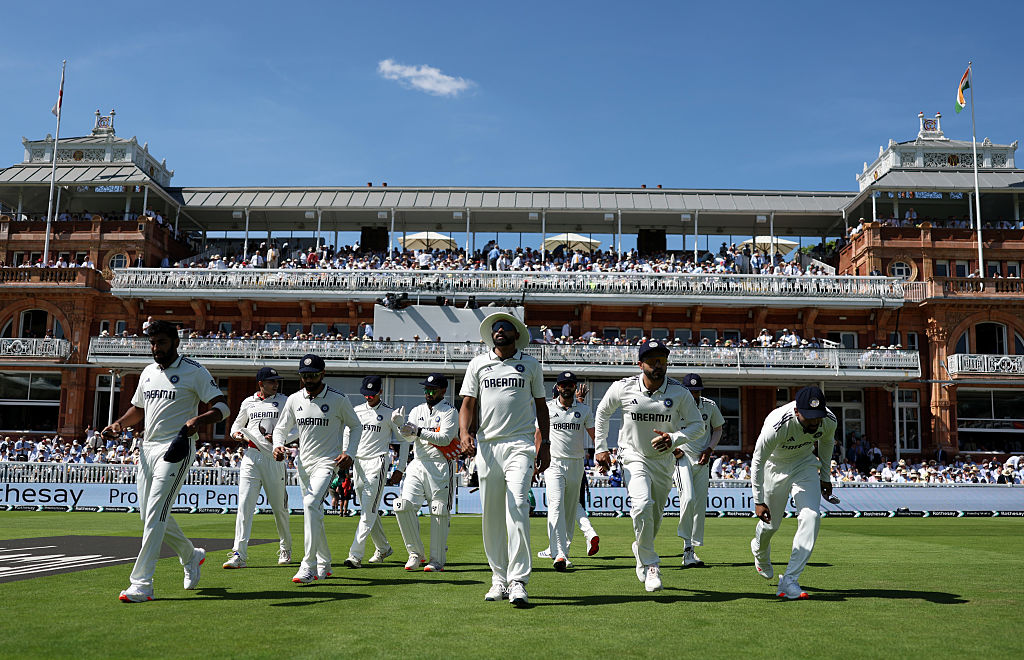
Moreover, the famous slope at the Home of Cricket adds dimension to India’s pace bowling attack, offering natural deviation that can trouble the batters.
With Jasprit Bumrah returning fresh after being rested for the Edgbaston Test, and Mohammed Siraj and Akash Deep in top form, Team India’s opportunity to bowl first might tilt the opening day of the Lord’s Test in their favour if they strike and make the most of the movement on offer.
India needs to be careful while batting second
Team India might enjoy an opportunity to bowl first, but they will need to be cautious while batting second if the pitch retains its lateral seam movement and bounce into Day 2 of the Lord’s Test. Batting first might give England pacers, consisting of Chris Woakes, Jofra Archer, and Brydon Carse, something to bowl at by setting up an attacking field on Day 2.
Lord’s pitch is likely to get flattened over time, but can retain the seam movement under overcast conditions, which is expected to pose a serious challenge to Team India's batting line-up by England pacers.

If England batters manage to gain momentum and post a solid first-innings total on the board, the pressure will be on the visitors to respond strongly. England’s pace bowling attack is expected to persistently target India’s top order with swing and bounce, especially under overcast skies.
It has to be noted that since 2000, teams that batted first have won 23 times, while teams that batted second have registered 15 victories, indicating a significant advantage for the sides that put runs on the board early.