
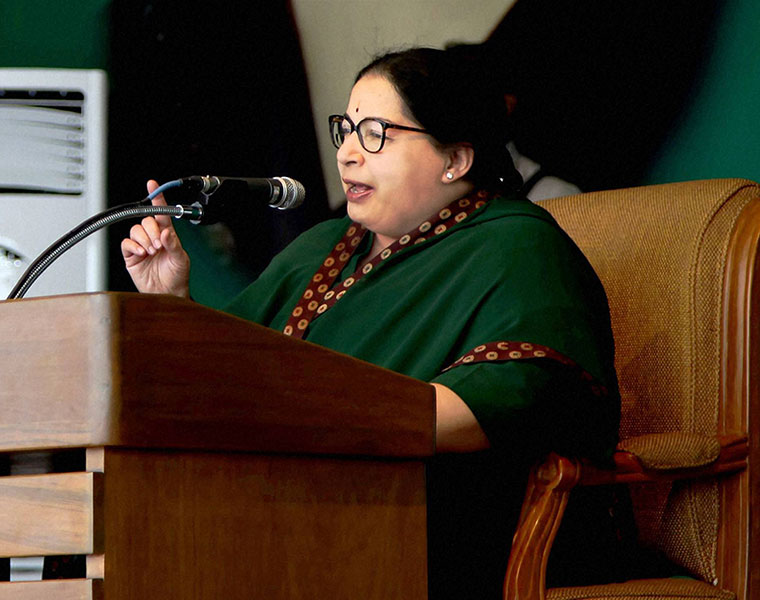
Last weekend, Puratchi Thalaivi (revolutionary leader) J Jayalalitha, the recently anointed chief minister of Tamil Nadu released a statement saying, "I request the honourable Prime Minister to intervene and withdraw the increase in prices of petrol and diesel, the latest hike is the third one this month and it is not fair for the Centre to effect such revision to meet its budgetary deficit."
This demand will definitely fall on deaf ears. Though crude oil prices have crashed by 50%, to below $50 currently from $112 in early 2014, the NDA government is in no mood to allow a similar dip in your petrol and diesel prices. It prefers to corner a lion's share of this historic windfall.
Factors like a global slowdown in energy demand, especially from the Eurozone and China, epic growth in oil production in the US, OPEC's stubborn refusal to cut production and Iran's return as a major oil producer courtesy the US lifting its sanctions ensured that oil prices crashed due to a very peculiar and specific combination.
Earlier this year, the bloodletting was extremely brutal when prices slid to below $30 and experts like Goldman Sachs, Bank of America Merrill Lynch and Citigroup predicted that prices could kiss $20 levels.
As a result, India, which imports more than 80% of its energy saw its import bill shrink by 24%. The party became so good that even the International Monetary Fund was compelled to observe. “The collapse in global oil prices is a large windfall gain for India,” said Paul Cashin, head of the IMF team for India. “The windfall has made room for more spending on goods and services, helped improve the external and fiscal positions, and allowed a sharp decline in inflation.”
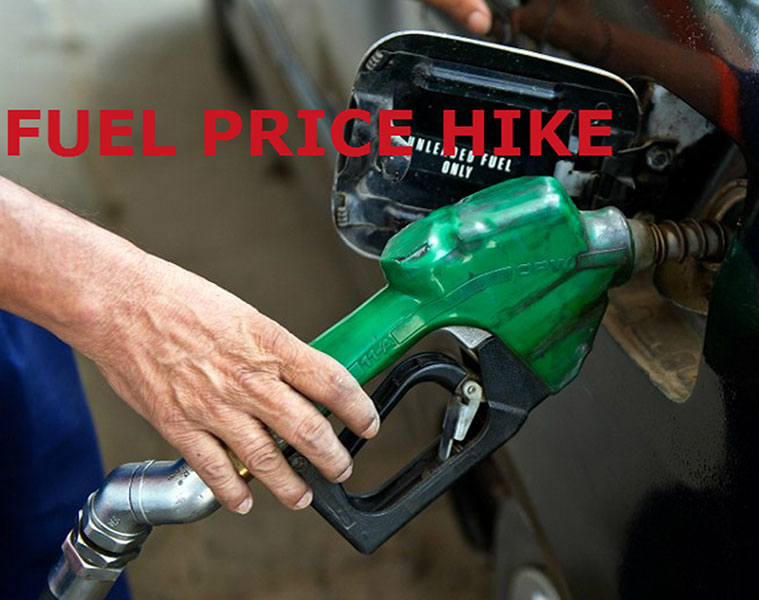
Moving quickly to capitalise on this unbelievable luck, the Modi government practised some fancy financial jugglery and began a long tradition of increasing and reducing petrol and diesel prices while simultaneously imposing the all-important excise duty on both of these auto fuels.
Since late 2014, the government has raised the excise duty on petrol and diesel more than 10 times. It has collected ₹99,184 crore in excise collections from the petroleum sector in 2014-15 and around ₹33,042 crore in this fiscal. In total, since November 2014, levies on petrol have gone up by ₹11.77 a litre and that on diesel by ₹13.57 per litre.
"It is not realistic to expect petrol and diesel prices in India to fall commensurate to the global crude oil prices since our petroleum sector cost constructs and structures are different. and this could continue especially as we want to fund our development agenda," says Narendra Taneja, national convenor, energy cell, BJP.
"Having said that, we urge Middle-East's oil-rich nations not to become too greedy especially as we in Asia are one of their largest consumers and we perfectly understand that anything above $40 is nothing but sheer greed," added Taneja.
To be sure, over the last two months, crude prices have clawed their way back up to $50, following production disruptions in Iraq and Nigeria and speculations about a production freeze consensus in OPEC nations, which has not happened as yet.
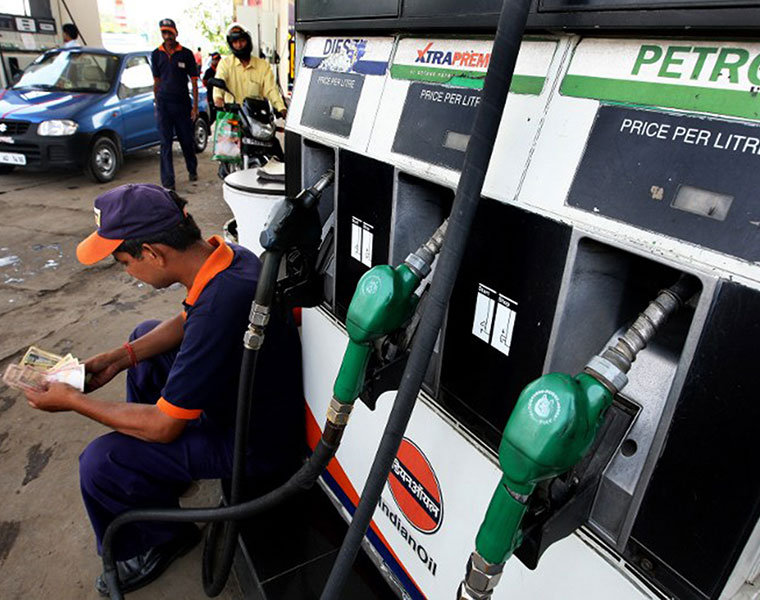
"Ideally if crude prices crash, petroleum product prices should also come down. But the government is not drastically reducing prices and imposing additional excise duties as it wants to fund its development programmes. It is also cognizant of the fact that commodity prices are extremely volatile. In case oil touches $90-100 in the future, it will be very difficult to sharply raise prices in one go as the issue would a political turn then," said RK Singh, former CMD, Bharat Petroleum Corporation.
"The government is keen to take monetary advantage of the situation and finance its welfare schemes. Now that under-recoveries (the loss that PSU OMCs incur for selling petroleum products below cost) have been wiped out by additional duties, it is highly unlikely that petrol and diesel prices will fall drastically from current levels," said B Mukherjee, ex-director finance, Hindustan Petroleum Corporation.
In fact last month, commerce minister Nirmala Sitharaman told the Parliament that prices of petrol were reduced 32 times and increased 21 times while diesel prices were slashed 19 times and raised 28 times since late 2013.
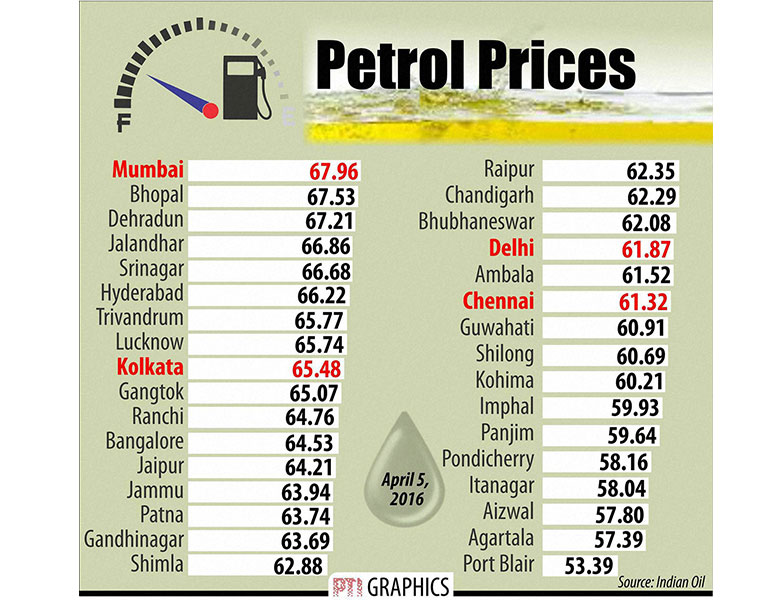
Currently, across major metros, petrol and diesel prices are north of ₹65 and ₹53. The excise duty component on the actual retail price of petrol is around 35% and on diesel is around 36%.
So clearly, unless our government has a major change in heart, there is no chance that your fuel expenses will fall as sharply or historically as oil prices.
Image courtesy: Guruprasad R
