
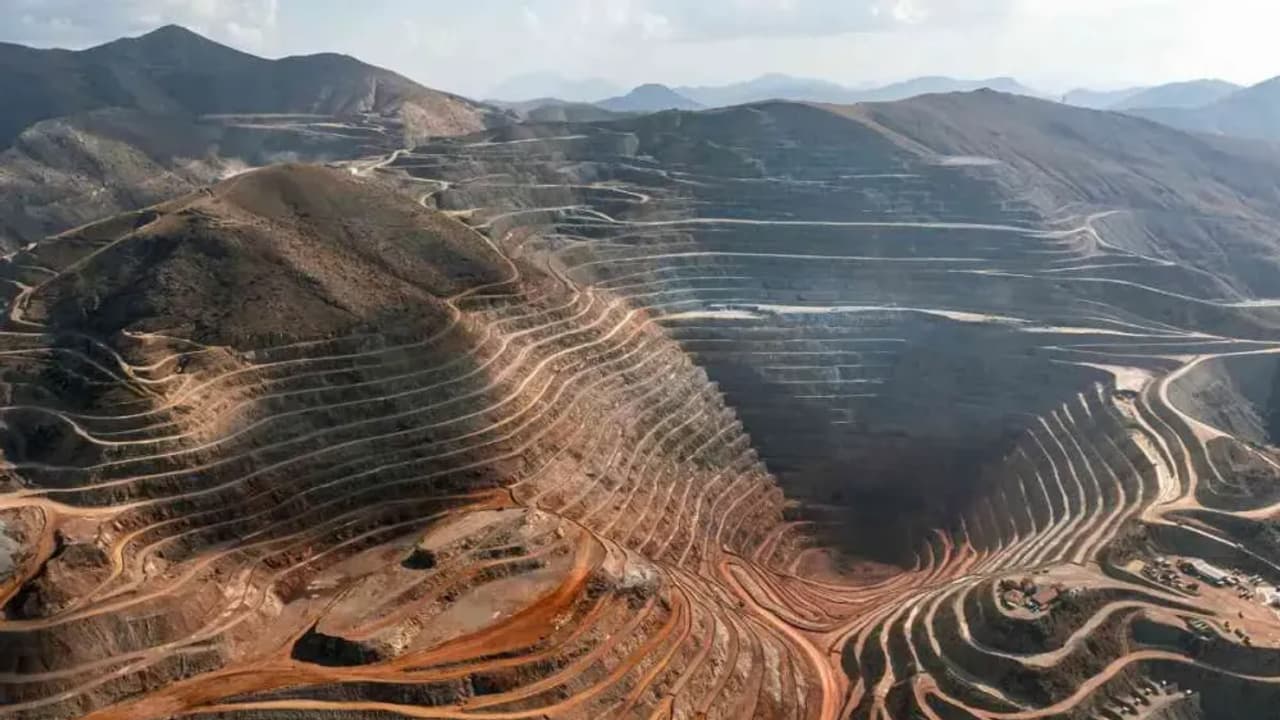
The surge in demand is being driven by the rapid expansion of AI and data centers, core economic activity, energy transition, including EVs and renewables, and defense modernization, S&P Global reported.
- Without significant investment, the copper market could face a supply shortfall of around 10 million metric tons by 2040.
- AI is expected to drive copper demand by 2 million metric tons between 2025 and 2040.
- Market participants are bullish on copper for 2026, driven by strong Chinese demand, AI data center growth, a weaker dollar, and potential Fed rate cuts, according to Argus Media.
Artificial intelligence (AI) is fast becoming one of copper’s most powerful new demand drivers. As AI data centers grow alongside electric vehicles (EVs) and renewable energy, global copper demand could rise 50% by 2040, raising fresh concerns over supply constraints.
A new S&P Global report projects a potential shortfall of nearly 10 million metric tons by 2040 unless investment accelerates. They see annual copper demand rising from 28 million metric tons in 2025 to 42 million metric tons by 2040, a 50% increase driven by electrification.
The surge in demand is being driven by four key areas: the rapid expansion of AI and data centers, core economic activity, energy transition, including EVs and renewables, and defense modernization.
AI To Drive Demand
AI, in particular, has emerged as a strong new driver for copper demand. Data centers that support AI workloads are extremely energy-intensive and require extensive copper cabling for power delivery, cooling, and network connections. AI is set to increase copper demand by 2 million metric tons between 2025 and 2040 for both IT infrastructure and the electricity needed to run it, the report added.
Global data-center dealmaking surged to a record high through November last year, driven by rising demand for computing infrastructure. More than 100 data-center transactions were completed during the period, with total deal value around $61 billion, according to a Reuters report last month.
Supply Chain Bottlenecks
Copper mining faces declining ore grades, rising extraction costs, long development timelines for new projects, which often exceed 15 years, and environmental and regulatory hurdles. Without substantial investment to expand mining and processing capacity, S&P Global projects a possible shortfall of nearly a quarter of projected demand.
While recycling could help relieve some of the supply pressures, coordinated efforts from industry, governments, and investors will be required to speed up new mine development, streamline permitting, and build the infrastructure needed to sustain large-scale copper production, the report added.
Outlook
Market participants are bullish on copper for 2026, citing strong Chinese demand, AI-driven data center growth, a softer US dollar, and potential Fed rate cuts, according to an Argus Media report earlier this week. While some expect a near-term supply deficit due to limited new mines and declining South American output, record-high US inventories may help temporarily bridge the gap.
Last month, Goldman Sachs forecast copper prices averaging $5.17 per pound in 2026, with only a modest surplus and no major shortage expected until 2029.
Meanwhile, copper prices on the LME fell 0.2% to $12,844 per ton on Thursday, having climbed to a record high of $13,387.5 on Tuesday.
ETF Watch
The United States Copper Index Fund (CPER) was down 0.3% in premarket on Thursday, with retail sentiment on Stocktwits remaining in the ‘bullish’ zone over the past 24 hours, amid ‘high’ message volumes.
Over the past year, CPER has gained over 36%.
Read also: Vanda Stock Drop 10% Premarket After FDA Rejects Jet Lag Drug Application
For updates and corrections, email newsroom[at]stocktwits[dot]com.<
