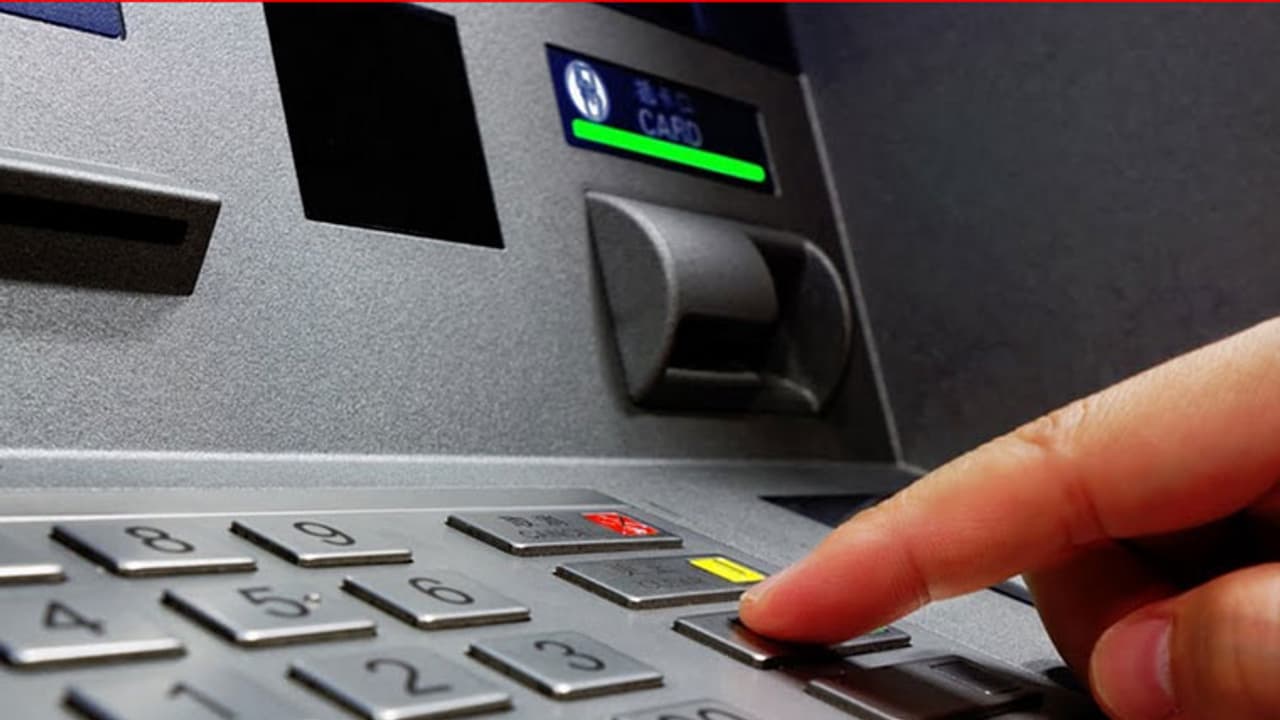
The material of an ATM keypad is a crucial design choice influenced by durability, security, and environmental factors. While metal keypads can offer some protection against thermal attacks that might reveal a PIN, they are part of a larger security system. This choice ensures the keypad withstands frequent use and potential damage.
ATMs have become a routine part of everyday life, allowing people to withdraw cash whenever they need it. While most users focus on inserting their card and entering their PIN, there is one small detail that often goes unnoticed: the material used for the keypad. Durability is one of the most important elements. Because ATMs are used thousands of times a day, their keypads must endure frequent pushing, cleaning, and environmental exposure. The keys will continue to work correctly for a longer amount of time if the material is sturdy.
The overall security of the equipment may also be influenced by the material of the keypad. According to the viral claim's source, plastic may hold onto heat from recently hit keys, making it possible for someone with specialist thermal equipment to recognise the digits put on a keypad. However, this should not be interpreted as meaning that a metal keypad makes an ATM completely immune to thermal attacks.
The material of the keypad, temperature, time, and the equipment being utilised are some of the variables that affect how successful thermal imaging is. In order to safeguard consumers' PINs, modern ATMs also use a variety of security procedures.
Related Articles

Additionally, a robust keyboard might provide some defence against unintentional physical harm. Using a sturdy material helps lower the likelihood of keys breaking or being damaged during frequent usage because the keypad is one of the sections of an ATM that is handled the most.
Take a closer look at the keypad the next time you visit an ATM. Durability, upkeep, environmental resistance, and security concerns all have an impact on what would seem like a straightforward design decision.