Diwali 2026 sees millions of clay lamps lit on Amavasya, the moonless night of Kartik. Discover the spiritual significance of lighting diyas on Amavasya to welcome Goddess Lakshmi and celebrate the victory of light over darkness.
Millions of earthen lamps glow across India every year during Diwali — widely known as the Festival of Lights. On Amavasya, the darkest moonless night of the Hindu month of Kartik, these flames spark hope. They bring spiritual renewal across generations.
14 years — that was the length of the exile before Lord Rama, Sita, and Lakshmana finally returned to Ayodhya on a pitch-black night. Citizens lined every street with oil lamps to guide them home. According to tradition, Ayodhya lit diyas on Amavasya to celebrate this homecoming, starting a custom preserved for millennia.
Ahead of upcoming observances such as Diwali 2026, these basic festival traditions still resonate with millions of devotees who prepare their households for the sacred occasion.
Related Articles

The Historical Legend of Ayodhya
Lord Rama's homecoming forms the emotional and cultural heart of this global celebration. Tradition tells us Ayodhya lit diyas on Amavasya. The town celebrated his return from exile, transforming its darkest night into a radiant display of devotion and joy.
Bright welcoming lights laid down by Ayodhya's residents created a precedent that endures today. As communities prepare for future observances, including Diwali 2026, families across the globe honor this ancient lineage by lighting clay lamps.
Triumph of Light Over Deep Shadows
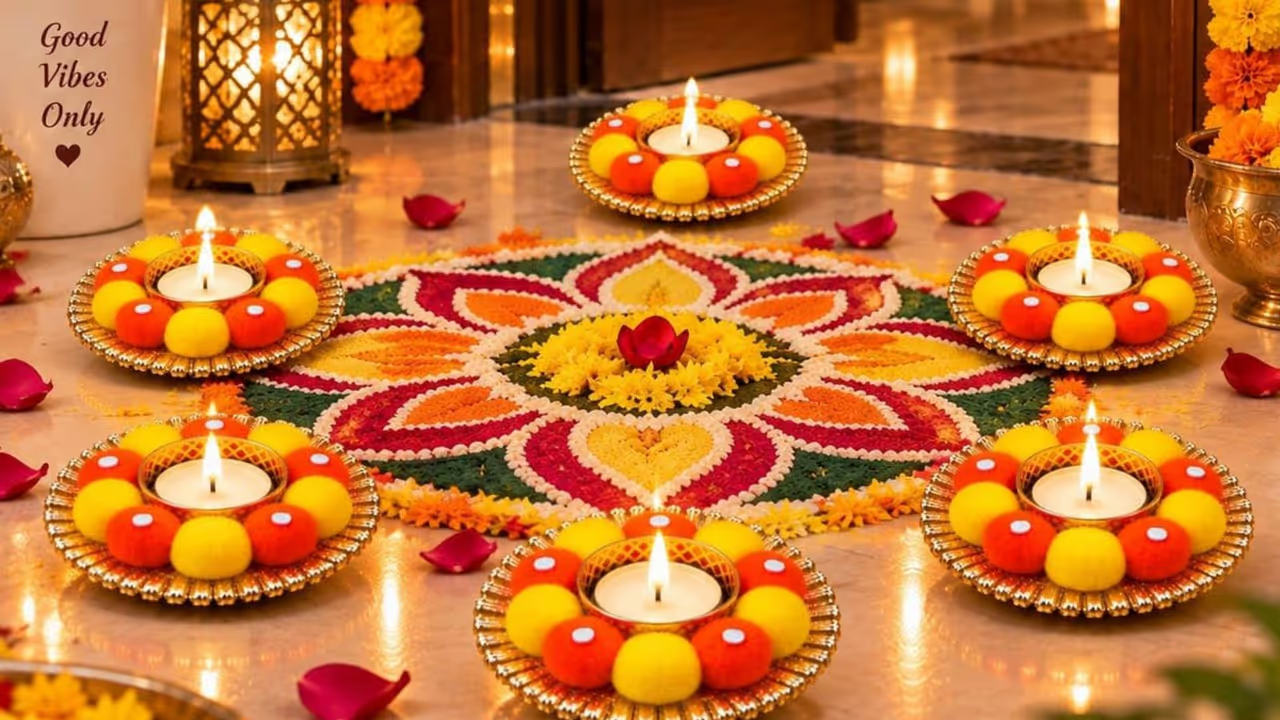
Amavasya brings a deep void into the night sky. Light guides the way. Devotees place tiny clay lamps along doorways and windows, gently transforming moonless darkness into a celebration of goodness.
In traditional Vedic philosophy, the oil or ghee inside a diya represents human vices like greed, envy, and pride. A cotton wick represents the human soul. Burning it purifies the mind and spirit, replacing ignorance with divine wisdom.
Kindling small flames across entire neighbourhoods reinforces a belief that light overcomes darkness. It works. This collective illumination on the darkest night stands as a symbol of perseverance and faith.
Welcoming Goddess Lakshmi on Amavasya
During Lakshmi Puja, families prepare bright, immaculate homes to invite Goddess Lakshmi, the deity of wealth, peace, and abundance. Golden flames flicker outside every doorstep on this moonless night.
Astrologically, Amavasya represents quiet subconscious spaces. Lighting diyas introduces solar warmth where moonlight is absent — restoring inner harmony and peaceful energy throughout the home.
Clean entrances and lit lamps kept burning all night create a welcoming environment. It works to attract blessings. Families seek clarity and prosperity for the year ahead.
A Timeless Message of Unity and Tradition
Beyond ritualistic beauty, eco-friendly earthen lamps unite families across generations as they decorate their surroundings together. Hope shines bright. Each flickering flame reminds believers that no darkness is permanent when inner light leads the way.
Known globally as the Festival of Lights, the celebration brings together diverse communities in a shared appreciation for tradition. As families plan for future milestones like Diwali 2026, lighting diyas on Amavasya remains a powerful reminder of unity, hope, and spiritual victory.