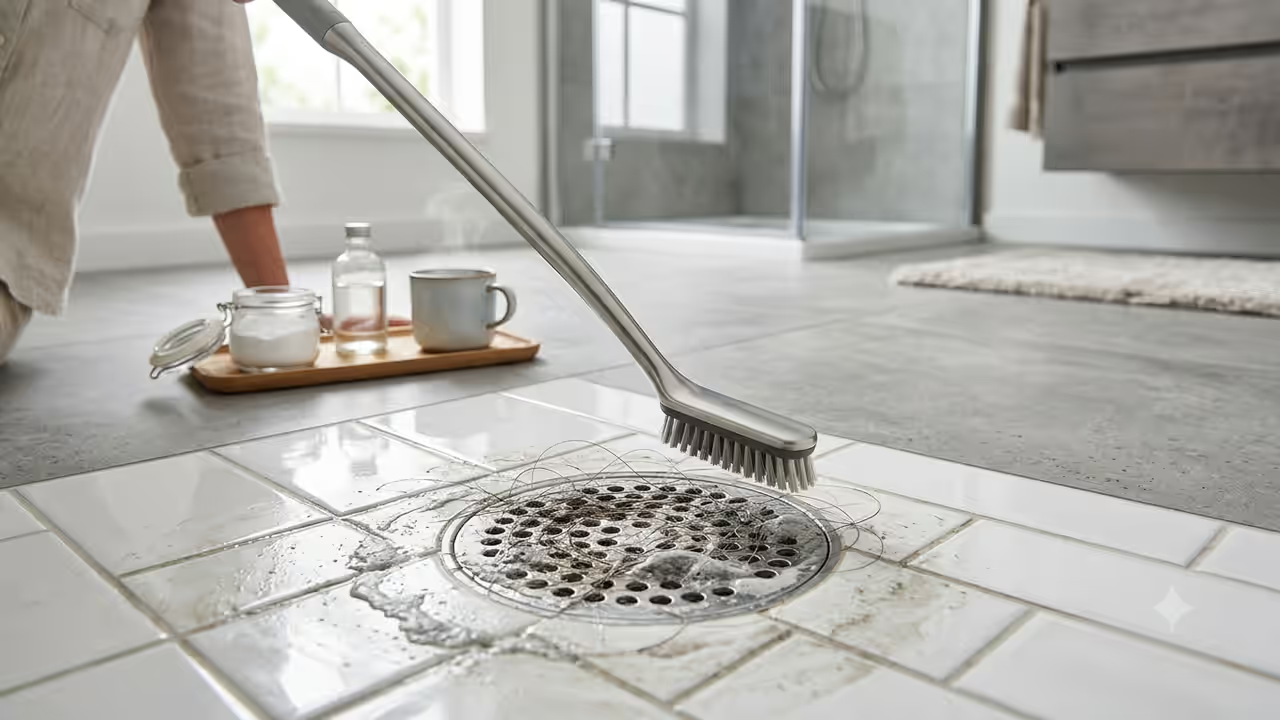
A slow or smelly bathroom drain is a common nuisance caused by hair, soap, and oil buildup. Fortunately, regular maintenance using simple household items like hot water, baking soda, and drain covers can keep your pipes clear. However, persistent blockages may require mechanical tools or professional plumbing assistance.
A slow or smelly bathroom drain can quickly become an unpleasant household problem. Hair, soap residue, oils and other debris can gradually accumulate inside the pipes, restricting water flow and creating bad odours.
The good news is that regular maintenance can help keep bathroom drains cleaner without requiring you to handle the buildup directly. From hot-water flushing to baking soda treatments and drain covers, here are seven simple methods to try.
1. Flush the Drain With Hot Water
Hot water can help loosen soap residue and other light buildup inside the drain. Slowly pour hot water down the drain in stages rather than emptying it all at once. For routine maintenance, this can be an easy way to rinse away loosened residue and keep water flowing freely. Avoid extremely hot or boiling water if your plumbing manufacturer advises against it, particularly with certain plastic pipes.
Related Articles

2. Try Baking Soda and White Vinegar
Baking soda and white vinegar are popular household ingredients for freshening drains and loosening light surface buildup. Pour about half a cup of baking soda into the drain, followed by half a cup of white vinegar. Allow the mixture to work for around 20–30 minutes before flushing the drain with hot water.
The fizzing reaction can help loosen soap residue and other minor buildup, although it may not be enough for a severe blockage. Important: Never mix vinegar with bleach or commercial chemical drain cleaners, as some combinations can produce dangerous fumes.
3. Use Salt and Hot Water
For routine drain maintenance, coarse salt followed by hot water can be another simple option. Pour around half a cup of salt into the drain and follow it with hot water. The treatment may help loosen some residue and reduce unpleasant smells, but it should not be considered a solution for a serious blockage.
4. Consider an Enzyme-Based Drain Cleaner
If you prefer a ready-made product, an enzyme-based drain cleaner can be used according to the manufacturer's directions. These products are designed to break down organic material such as hair, oils and soap residue. Unlike aggressive chemical cleaners, enzyme formulas are generally intended for routine organic buildup rather than instant removal of a major blockage. Always check that the product is suitable for your type of plumbing and follow the stated contact time and flushing instructions.
5. Use Dish Soap and Hot Water
Dish soap can help loosen oily residue inside a bathroom drain. Pour a small amount of dish soap into the drain and slowly follow it with hot water. This method is particularly useful as a simple maintenance step when the drain is beginning to slow but is not completely blocked.
6. Try an Overnight Baking Soda and Salt Treatment
For a gentle maintenance routine, combine baking soda with coarse salt and pour the dry mixture into the drain. Leave it overnight and flush the drain with hot water the following morning. This can help with minor residue and odour, but persistent or severe blockages may require a mechanical solution or professional help.
7. Install a Drain Cover
Preventing buildup is easier than removing it later. A mesh or hair-catching drain cover can stop hair, soap pieces and other debris from entering the pipe in the first place. Clean the cover regularly and combine it with a periodic water flush. Preventive measures can significantly reduce the frequency of drain blockages.
When DIY Drain Cleaning Is Not Enough
Not every blocked drain can be fixed with household ingredients. If water continues to drain slowly after cleaning, repeatedly backs up, or several drains in the house start having problems at the same time, the blockage may be deeper in the plumbing system. For stubborn clogs, a drain snake or auger may be more effective than chemical or homemade treatments. If the problem persists, getting a plumber to inspect the drainage system is the safer option. Regular maintenance, a drain cover and careful disposal of hair and other bathroom debris can help prevent minor buildup from turning into a major plumbing headache.