
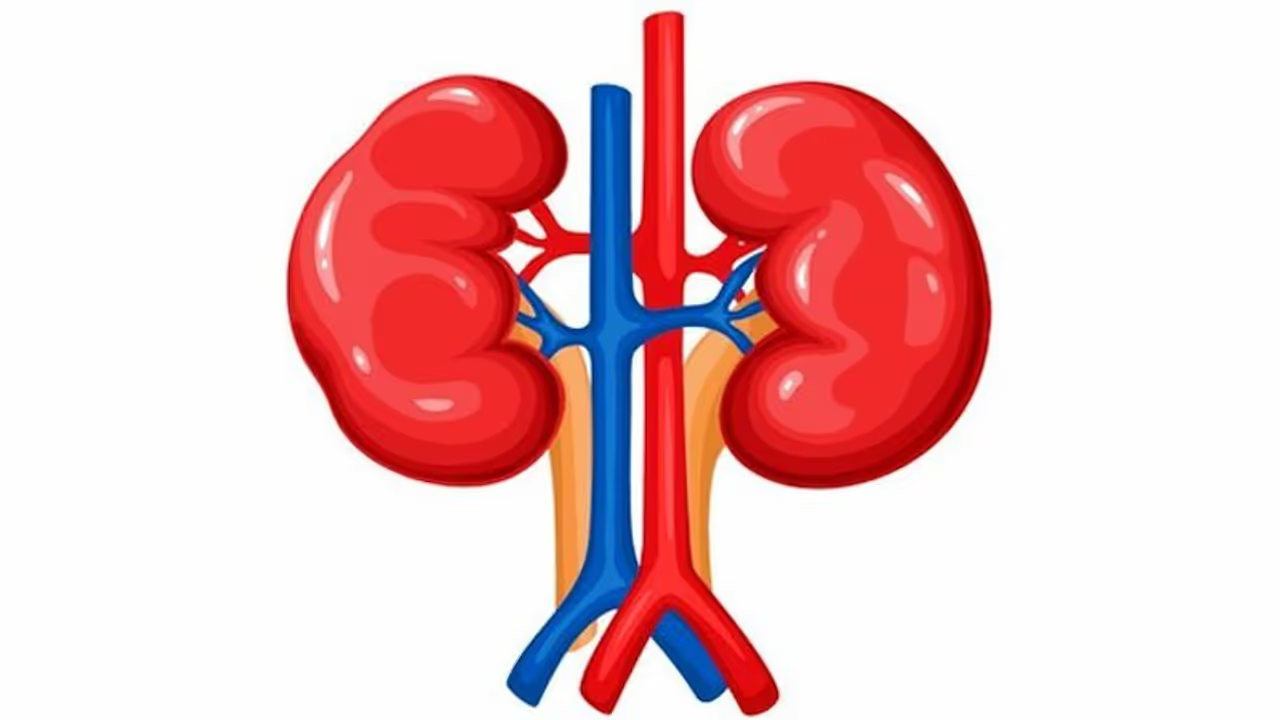
Maintaining kidney health requires avoiding certain foods like processed meats, high-sodium items, excessive protein, bananas, potatoes, sugary drinks, and high phosphorus and high-potassium foods. Careful dietary choices can support kidney function and prevent further damage
Upon receiving a diagnosis of kidney ailment, it becomes crucial to pay close attention to your diet. Kidney-related issues require careful consideration of what you eat in order to prevent further damage and support kidney function. In this regard, Ayurveda, an ancient Indian system of medicine, has proven effective in treating various kidney disorders, including kidney stones and Chronic Kidney Disease (CKD), through dietary and lifestyle modifications. Certain foods should be avoided to maintain kidney health. These include processed meats, pickles, foods high in sodium, excessive protein intake, bananas, potatoes, sugary drinks, foods high in phosphorus, foods high in potassium, foods high in oxalate, artificial sweeteners, and caffeine. Understanding the impact of these foods on kidney function is crucial for managing kidney-related issues effectively.
Processed Meat
Processed meats such as sausages, hot dogs, and deli meats are often loaded with high amounts of salt and preservatives. These additives are responsible for enhancing the taste and increasing the shelf life of these products. However, for individuals with reduced kidney function, consuming excessive animal protein can lead to hyperfiltration, putting additional strain on the kidneys. Ayurveda recommends opting for protein intake from plant sources as they are less damaging to renal function compared to animal-based proteins. Plant-based protein options include legumes, lentils, tofu, and tempeh, which provide essential amino acids without overburdening the kidneys.
ALSO READ: Promoting digestive health to regulating menstrual cycle: 7 benefits of Star anise
Pickles
Pickles, despite their tempting flavor, are a definite no for people struggling with any kind of kidney disorder. They are brimming with high sodium content, which can contribute to fluid retention and elevated blood pressure. Even low-sodium options available in the market may still exceed one's daily sodium requirement. Therefore, it is essential to exercise portion control when consuming pickles. Alternatively, individuals can explore low-sodium or homemade pickling options to reduce the sodium content while still enjoying the tangy flavor.
ALSO READ: Avocadoes to Flaxseed oil: 5 foods to manage diabetes
Salt
Excessive sodium intake can have detrimental effects on kidney health. Having too much salt in your diet can lead to fluid retention and high blood pressure, which puts more strain on your kidneys. To maintain kidney health, it is crucial to steer clear of fast food, processed and packaged foods, and seasonings with high salt content. Instead, flavor meals with herbs and spices that are low in sodium but rich in taste, such as garlic, ginger, turmeric, and various herbs like basil, oregano, and thyme. These alternatives can add depth to your meals without compromising kidney health.
Foods High in Protein
Protein is an essential nutrient for overall health, but consuming an excessive amount can strain the kidneys. This is because the breakdown and metabolism of protein generate waste products that need to be filtered by the kidneys. Individuals with kidney-related issues are often advised to limit their intake of beans, lentils, and other high-protein plant foods. However, it is important not to completely eliminate protein from the diet, as it is essential for various bodily functions. Consultation with a healthcare professional or a registered dietitian can help determine the appropriate amount of protein required based on individual needs and kidney function.
Bananas
Bananas are known for their abundant potassium content, which can pose challenges for individuals with kidney issues. Potassium helps regulate fluid balance and nerve function, but excessive levels can be harmful to those with compromised kidney function. It is advisable for kidney patients to avoid consuming bananas. Instead, they can opt for alternatives like pineapples, which are rich in vitamin A and fiber while being relatively low in phosphorus, sodium, and potassium.
Potatoes
Potatoes are highly rich in potassium, making them a food to avoid for individuals with kidney problems. However, there is a technique called potassium leaching that can help reduce the potassium content. Soaking potatoes in water overnight before using them for cooking can leach out some potassium. It is important to note that not all the potassium is eliminated through this process, so caution should still be exercised regarding potato intake.
Sugary Drinks
Sugar-sweetened sodas and colas should be refrained from as they contain high amounts of phosphates. These phosphates can promote the formation of kidney stones. Moreover, the high fructose content in these drinks is a well-established risk factor for kidney stones. Instead, opt for healthier alternatives such as water, herbal teas, or homemade fruit-infused waters to stay hydrated without the harmful effects of added sugars and phosphates.
Foods High in Phosphorus
High levels of phosphorus can be detrimental to kidney health. Foods such as dairy products, nuts, seeds, whole grains, and carbonated beverages are typically high in phosphorus and should be avoided or consumed in moderation. Monitoring phosphorus intake is particularly important for individuals with advanced kidney disease. Consultation with a registered dietitian can help create a balanced diet plan that limits phosphorus while ensuring adequate nutrition.
Foods High in Potassium
While low potassium levels can cause kidney and heart problems, individuals with kidney issues need to be mindful of consuming excessive amounts of potassium. Foods such as spinach, tomatoes, avocados, oranges, and bananas are high in potassium and should be limited. It is crucial to work with a healthcare professional or a registered dietitian to determine an appropriate potassium intake based on individual needs and kidney function.
Foods High in Oxalate
Oxalates can contribute to the development of kidney stones. Foods like spinach, rhubarb, beets, chocolate, and certain nuts and seeds are high in oxalates and should be consumed in moderation by individuals prone to kidney stones. However, it is important to note that a balanced diet that includes a variety of foods is still essential for overall health, so completely eliminating these foods may not be necessary unless advised by a healthcare professional.
Artificial Sweeteners
Some artificial sweeteners, such as aspartame, saccharin, and sucralose, may have detrimental effects on kidney health when consumed in excessive amounts. While they are low in calories, it is advisable to consume them sparingly. Opting for natural, low-calorie sweeteners like stevia or moderate use of natural sugars like honey or maple syrup may be a healthier alternative. As always, it is important to consult with a healthcare professional or a registered dietitian for personalized dietary guidance based on individual health conditions.
Caffeine
Caffeine, commonly found in coffee, tea, energy drinks, and some sodas, can cause dehydration and raise blood pressure, putting stress on the kidneys. It is advisable to avoid or limit the consumption of caffeinated beverages. Instead, opt for herbal teas or decaffeinated versions of your favorite beverages to stay hydrated without the negative effects of caffeine. Adequate hydration is crucial for kidney health, so choosing non-caffeinated options will be beneficial.
By being mindful of these dietary considerations and working closely with healthcare professionals, individuals with kidney-related issues can make informed choices to support their kidney health and overall well-being.
