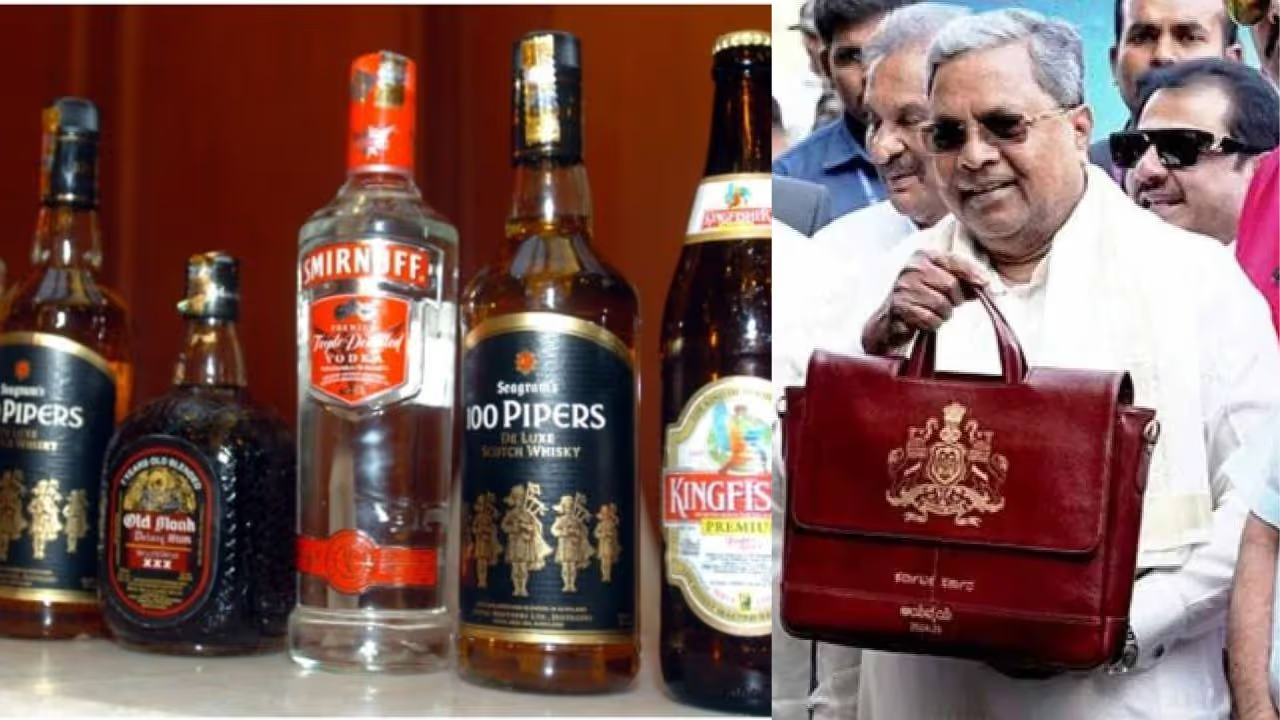
Bengaluru's government is modernizing its excise department to target ₹45,000 crore in revenue for 2026-27. A new 'Alcohol-in-Beverage' tax system based on alcohol content will start in April 2026, replacing the old structure.
Bengaluru (Mar. 06): Chief Minister Siddaramaiah has announced some big decisions in the 2026-27 budget to completely modernise the excise department and bring its tax system up to global standards. The 60-year-old excise law is getting a major overhaul, with new reforms designed to avoid a big price hike for liquor consumers.
₹45,000 Crore Target and Tax Reforms
Last year, the excise department collected ₹36,492 crore, showing a growth of 12.7%. For the upcoming 2026-27 financial year, the government has set a massive collection target of ₹45,000 crore. To reach this goal, the government is changing the entire liquor tax system.
'AIB' Tax System from April 2026
Until now, tax was charged on the selling price of liquor. But from April 2026, a new 'Alcohol-in-Beverage' (AIB) system, considered a 'gold standard' globally, will be introduced. This means the tax will be based on the amount of alcohol in the drink. This will help maintain a balance and prevent drastic changes in liquor prices.
Related Articles

Pricing Power to Producers; Slabs Reduced
The government is stepping back from deciding liquor prices. Now, manufacturers will have the full authority to set prices based on the market. Also, the current 16 tax slabs are being cut down to just 8 to simplify the system.
Tech to the Rescue: Blockchain and Geo-fenced Locks
The government is turning to high-tech solutions to stop tax leakage. A blockchain digital tracking system will be used to monitor the movement of liquor. Instead of the old-school escort system for transporting liquor, a 'Geo-fenced e-lock' system will be used. This is expected to put a stop to illegal liquor transport.
Good News for Businesses
- 5-year license: The validity of liquor licenses has been increased from 1 year to 5 years.
- Online approvals: The approval process has been cut from 16 steps to just 7, and permissions will be granted within 2 days.
- 24x7 operations: Distilleries and breweries will be allowed to operate 24/7.
- Digital counselling: To prevent corruption, transfers of Excise Superintendents will now be done through digital counselling.
Boost for Liquor Tourism
Taking a cue from wine tourism, the state will now allow tourists to visit distilleries and breweries for tastings and to buy products directly from there. This move is expected to give a new boost to the tourism sector.
Sharing Social Responsibility
Another key feature of the budget is the division of responsibilities. The Excise Department will focus only on collecting taxes, while the Health Department will handle de-addiction and rehabilitation programs. These major reforms by Siddaramaiah are expected to not only bring transparency to the excise sector but also significantly increase the government's revenue.