Bengaluru’s roads once echoed with bullock carts before the first car arrived in 1901. From early royal ownership to local car manufacturing and the city’s first showroom on MG Road, discover how automobiles transformed Bengaluru’s transport history.
Bengaluru is known today for its notorious traffic, but the city’s roads looked very different in the early 20th century. Horse carriages, bullock carts and other animal-drawn vehicles once dominated the streets before the arrival of motor cars transformed the way people travelled. The first car is believed to have arrived in Bengaluru in 1901, marking the beginning of a new chapter in the city’s transport history and setting the stage for its gradual transformation into a major automobile hub.
Kolkata And Mumbai First, Then Bengaluru
Cars first appeared in India in Kolkata in 1897, followed by Mumbai in 1898. A few years later, in 1901, the first car arrived in Bengaluru.
The city already had railway connectivity from 1864, which helped it adapt to new forms of technology and transportation. At the time, residents were fascinated by the sight of a self-propelled machine moving along the roads without horses or other animals pulling it.
Related Articles

Initially Limited To Royals And The Wealthy
Owning a car was beyond the reach of ordinary people in those early years. Cars were largely owned by the Mysore Maharajas, members of the royal family, Dewans, wealthy families and senior British officials.
The city’s roads, however, were not designed for motor vehicles. Many roads were unpaved and lacked tar surfaces, resulting in frequent punctures and breakdowns. These early automobiles arrived on Bengaluru’s streets before the city’s infrastructure was fully prepared to accommodate them.
Cars Become A Regular Sight On Bengaluru Roads
The cars that appeared in Bengaluru in 1901 became a more familiar sight on the city’s major roads by 1903. They were primarily used by the Mysore royal family and senior officials, gradually becoming part of the city’s emerging transport landscape.
The growing presence of automobiles also created demand for repair services, spare parts and other facilities associated with motor vehicles.
Local Car Manufacturing Began In 1906
As automobiles gained popularity in Bengaluru, the city’s vehicle production and servicing sector also began to develop. By 1906, a factory in Bengaluru reportedly employed around 150 people and manufactured cycles and cars.
Interestingly, the factory built a 6.5-horsepower (HP), three-seater car specifically for the Prince of Wales, highlighting the city’s growing automobile manufacturing capabilities at the time.
First Car Showroom Opened On MG Road
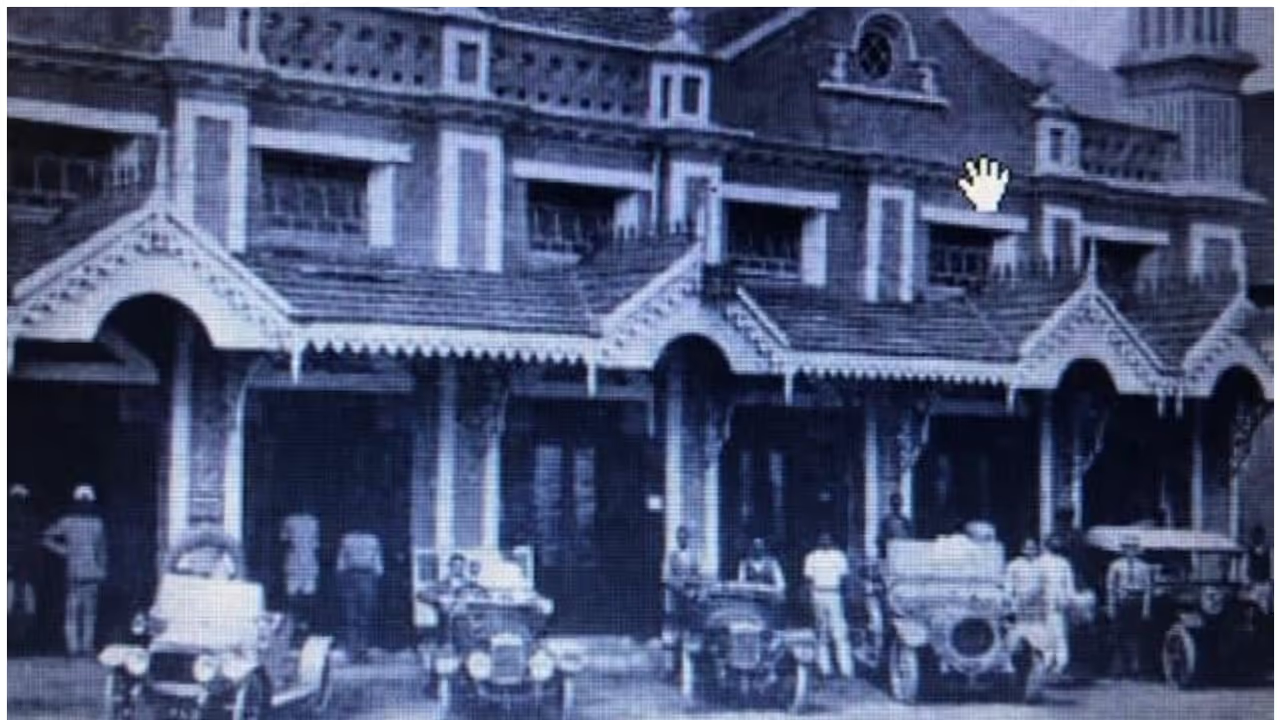
Bengaluru’s automobile trade became more organised in 1911 when British engineer and automobile enthusiast H.E. Ormerod opened what is regarded as the city’s first car showroom and workshop at the Kannan Building on South Parade Road, now known as MG Road.
The showroom displayed and sold cars from brands including Calthorpe, Empire, Ford and Studebaker. The arrival of these vehicles attracted considerable public interest, with people gathering to see the latest automobiles.
H.E. Ormerod is also credited with being the first person to drive from Bengaluru to Bombay via PUne, completing the road journey in four days.
Mysore Royal Family Among Early Car Owners
While the exact ownership records of the first car to arrive in Bengaluru in 1901 have been lost, historical accounts indicate that the Mysore Maharaja acquired an early French Peugeot car around 1902-03.
The royal family became one of the earliest and most prominent automobile owners in the region. The Peugeot was a single-cylinder, two-seater car purchased from Messrs Turner Hoare and Company in Delhi.
The vehicle arrived in Mysore but was returned to Hoare and Company shortly afterwards in 1903. It was subsequently replaced with a four-seater De Dion car.
A Century Of Transformation
Bengaluru’s transport journey has changed dramatically over the past century. From horse carriages and bullock carts to the arrival of the first cars in 1901, local automobile manufacturing in 1906 and the opening of a dedicated car showroom in 1911, the city gradually developed a strong automobile ecosystem.
Today, Bengaluru is a major technology and infrastructure hub with millions of daily commuters and a vast network of roads and vehicles. The city’s transformation from animal-drawn transport to a modern, vehicle-dominated urban landscape offers a fascinating glimpse into its transport history.