
Concerns over ethanol-blended petrol are growing in Bengaluru, with vehicle service centres reporting an increase in complaints related to engine stalling, starting difficulties and reduced fuel efficiency.
Concerns over ethanol-blended petrol are growing in Bengaluru, with vehicle service centres reporting an increase in complaints related to engine stalling, starting difficulties and reduced fuel efficiency. Motorists are increasingly questioning whether higher ethanol concentrations in petrol are affecting vehicle performance, particularly in older two-wheelers and cars.
According to a report by Deccan Herald, service managers at several vehicle service centres across the city have noticed a rise in such complaints. Mechanics have also reportedly found sticky deposits inside engines during routine servicing, raising concerns that these formations could clog fuel systems and affect engine performance.
"When we service these vehicles, we notice sticky formations inside the engine that clog the system. We have therefore started suggesting that customers use certain aftermarket additives while refuelling," a manager at a leading two-wheeler service company told Deccan Herald.
A mechanic at a Peenya-based service centre said older motorcycles and BS4 vehicles appeared to be more affected. He explained that ethanol absorbs moisture, potentially affecting rubber hoses and gaskets. Corrosion in fuel tanks and carburettor blockages were among the issues reportedly observed.
The mechanic also advised vehicle owners against leaving their motorcycles unused for several days with the same fuel in the tank.
Car service centres have also received complaints about declining mileage, with some motorists reporting a reduction of 20-25%. Service managers have reportedly started recommending anti-corrosion agents to customers to address concerns about corrosion and knocking.
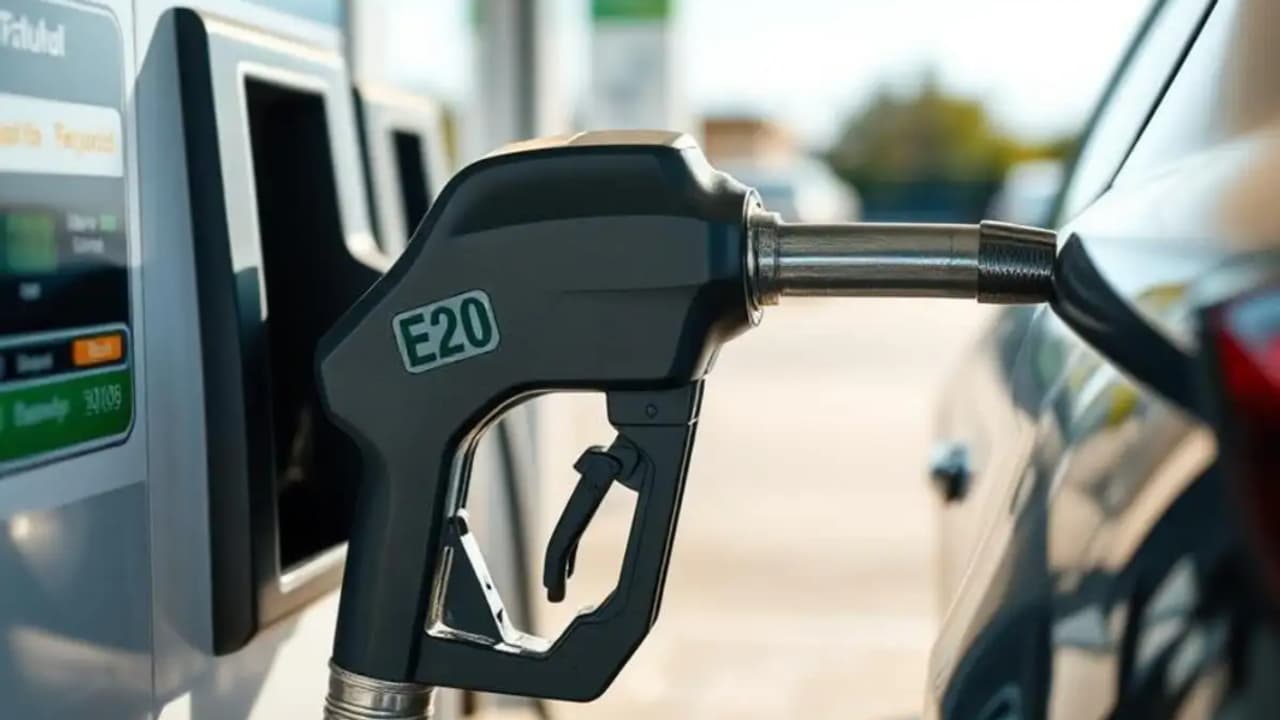
The complaints come amid a wider controversy over ethanol blending in petrol. India has adopted a 20% ethanol-blending target under its E20 programme, which involves mixing 80% petrol with 20% ethanol. While newer vehicles are increasingly being designed to accommodate higher ethanol blends, older models may not have compatible engine and fuel-system components.
Karnataka Chief Minister D K Shivakumar recently said the state government had collected petrol samples from 67 locations following complaints about allegedly excessive ethanol content. The samples were tested as part of an investigation into concerns raised by motorists.
Explaining the possible impact, Prof Krishnamurthy, head of the Department of Chemistry at Bangalore University, said engine compatibility played an important role in determining how vehicles responded to ethanol-blended fuel.
He cautioned that engines not designed for higher ethanol concentrations could experience knocking, potentially affecting spark plugs, cylinders and cylinder walls. A marginal decline in mileage and overall performance was also possible.
However, he warned against attributing every reported vehicle problem solely to ethanol, noting that engine design, fuel quality and octane ratings could also influence performance.
With complaints continuing to surface, questions over fuel quality, vehicle compatibility and the long-term impact of ethanol blending have become increasingly important for Bengaluru motorists.










