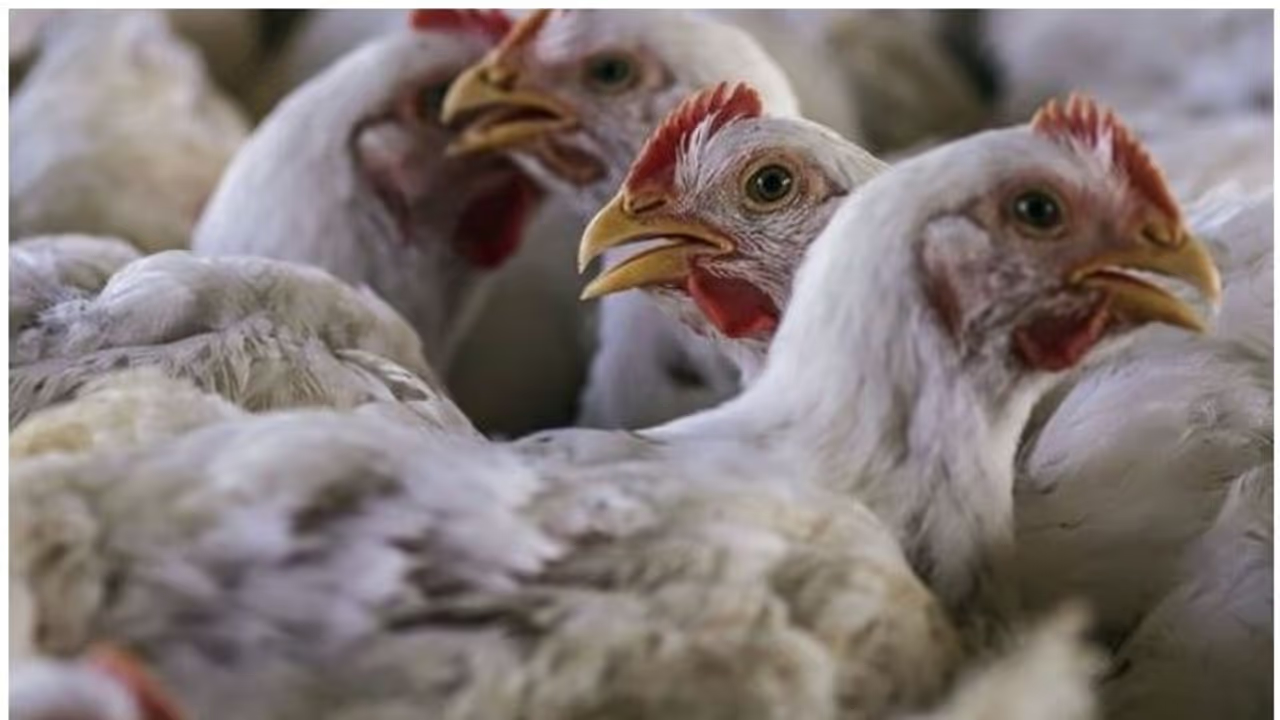
A bird flu alert has been issued in Bengaluru after the H5N1 virus was detected at a state-run poultry farm in Hesaraghatta. Authorities culled all chickens and quarantined staff to contain the spread. Inspections have been intensified in nearby areas.
A major health alert has been sounded in Karnataka after the H5N1 bird flu virus was detected in chickens at a state-run poultry facility. The discovery was made during routine inspections conducted with the approval of the Central Government. The virus was confirmed in the very first round of testing, prompting swift containment measures by the authorities. Officials acted immediately to prevent any potential spread, given the serious nature of the infection.
Chickens Culled To Contain Spread
Following confirmation of the virus, all chickens at the affected poultry farm were culled and buried in a designated pit as part of standard containment protocol. Authorities have taken this step to ensure that the infection does not spread further to other poultry units or regions.
Outbreak Traced To Hesaraghatta Farm
The outbreak has been traced to a state government poultry farm in Hesaraghatta. This has raised significant concern, as the facility is a major supplier of chickens to various parts of the state. Following the detection of the H5N1 virus at this location, officials decided to cull the entire stock at the unit.
Related Articles

Poultry Handlers Placed Under Quarantine
As a precautionary measure, all staff involved in transporting chickens from the Hesaraghatta farm have been placed under quarantine. This step is aimed at preventing any possible transmission of the virus to other areas through human contact or movement.
Inspection Orders Issued To Nearby Areas
Government veterinary officers have issued notices to nearby panchayats, directing them to conduct immediate inspections of surrounding poultry farms, sheds, and chicken shops. The aim is to identify any potential spread at an early stage and take swift action.
Heat May Have Triggered Outbreak
Experts believe that the prevailing intense summer heat may have contributed to the outbreak. Doctors have warned that high temperatures could accelerate the spread of the virus among poultry. In response, the state government has directed veterinary officials to remain on high alert and carry out thorough checks across affected and neighbouring areas.