Scientists have discovered that restoring a missing brain lipid can normalize blood flow and reverse vascular dysfunction linked to dementia. The findings suggest a promising new treatment strategy focused on improving cerebral circulation and brain.
Scientists are uncovering a powerful new clue in the fight against dementia one that focuses not on brain cells alone, but on the blood vessels that keep them alive. New research suggests that restoring healthy blood flow in the brain may be key to slowing or even preventing certain forms of dementia.
When Blood Flow Fails, the Brain Suffers
Dementia, including Alzheimer’s disease, affects millions worldwide and places an enormous emotional and economic burden on families and healthcare systems. While much research has focused on toxic proteins and inflammation, growing evidence shows that disrupted blood flow in the brain may play a critical role.
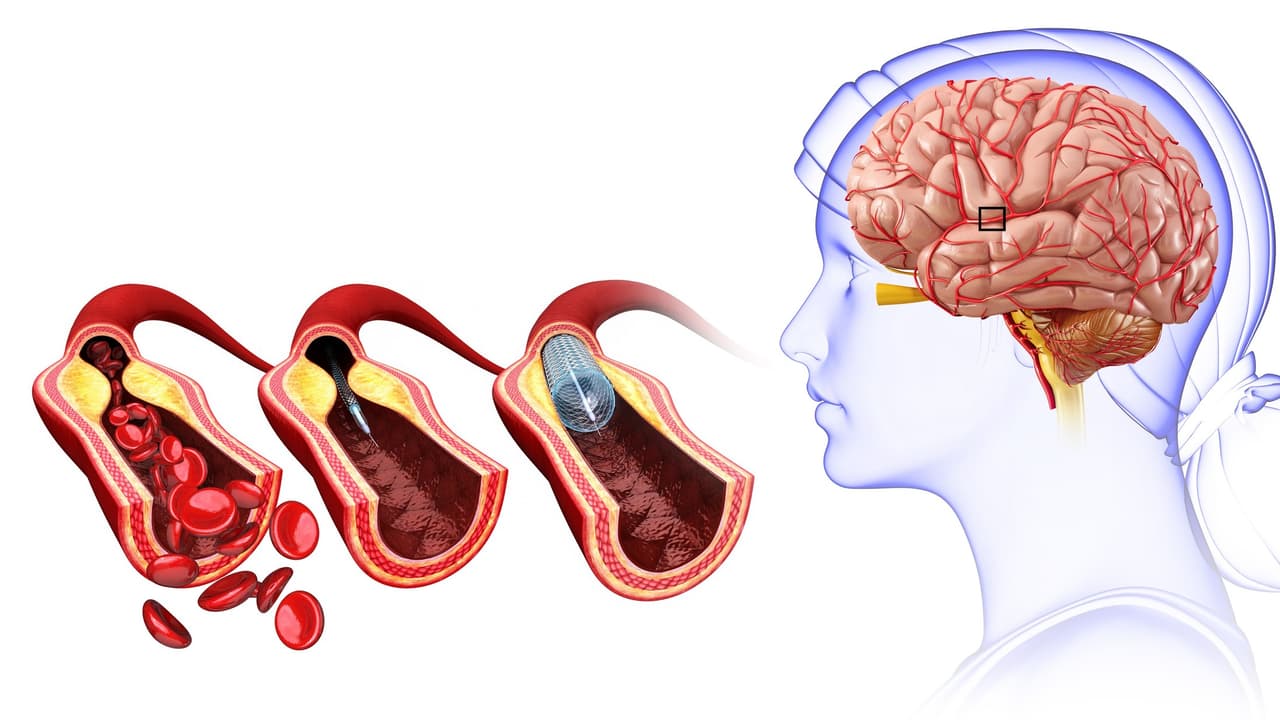
In healthy brains, blood vessels carefully regulate how much blood reaches different regions. But researchers found that in dementia, this balance can break down. Overactive blood vessels may actually restrict circulation instead of supporting it, leaving brain tissue starved of oxygen and nutrients conditions that accelerate cognitive decline.
Related Articles

The Missing Molecule That Keeps Vessels Calm
The new study identified a naturally occurring brain lipid called PIP2 as a key regulator of blood vessel behavior. PIP2 helps control Piezo1, a pressure-sensing protein found in the cells lining brain blood vessels. Under normal conditions, PIP2 keeps Piezo1 activity in check.
When PIP2 levels drop, Piezo1 becomes overly active, causing blood vessels to malfunction and disturbing normal circulation. In preclinical experiments, researchers restored PIP2 levels and saw blood flow return to normal. The result was a dramatic improvement in how brain vessels responded suggesting that vascular damage in dementia may be reversible.
Why This Discovery Matters for Future Treatments
Unlike many dementia strategies that focus on removing harmful proteins after damage is done, this approach targets an earlier problem: poor circulation. By correcting the underlying vascular imbalance, scientists hope to protect brain cells before irreversible injury occurs.
The findings were published in Proceedings of the National Academy of Sciences (PNAS), highlighting their significance within the scientific community. Researchers now plan to explore how PIP2 interacts with blood vessel proteins and whether therapies can safely boost its levels in humans.
While more research is needed, this discovery opens a promising path one where improving blood flow could help preserve memory, thinking, and independence for people at risk of dementia.