
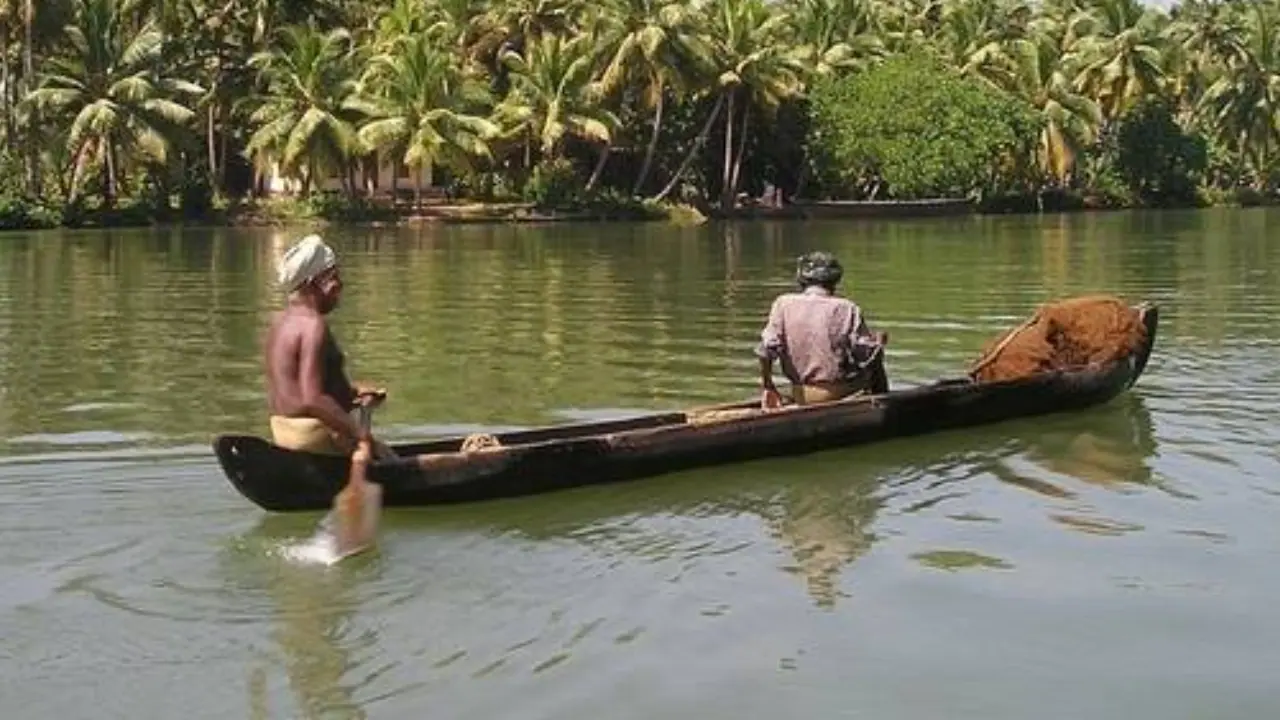
A vital wetland in Assam is undergoing visible changes, prompting communities to rethink livelihoods as farming, fisheries and local economies respond to shifting environmental conditions.
Thousands of people living around Son Beel, Assam’s largest wetland, are increasingly adjusting their livelihoods as environmental pressures and changing wetland conditions affect traditional farming and fishing activities.
The seasonal freshwater wetland supports more than 50,000 people directly and plays a central role in the local economy. Its natural cycle sees waters spread across surrounding lowlands during the monsoon before gradually receding in winter, creating opportunities for fishing, agriculture and livestock rearing.
This annual rhythm has long sustained communities across villages surrounding the wetland. As floodwaters retreat, exposed land becomes available for cultivation, while remaining pools support fish populations. The wetland’s ecological system also provides grazing and feeding grounds for poultry and ducks that form part of local agricultural practices.
However, residents increasingly face challenges linked to climate variability and environmental degradation. Erratic rainfall, floods, soil erosion, pollution, siltation, shrinking wetland area, declining depth and pressure on fish stocks have all emerged as concerns. These changes are affecting traditional income sources and encouraging some households to diversify their livelihoods.
Integrated farming has emerged as one adaptation strategy in parts of the region. The model combines multiple activities, including crop cultivation, fish farming, poultry and duck rearing, allowing households to spread risk across different income streams. While several families in villages near Son Beel have adopted such systems, experts note that limited land ownership, capital requirements and labour demands prevent wider adoption.
Research published in 2025 examining villages around Son Beel found notable differences in the ability of communities to cope with climate-related challenges. Some areas displayed stronger adaptive capacity, while others faced greater socio-ecological vulnerability due to repeated flooding, hailstorms, declining farm income and wetland degradation. The study highlighted the importance of livelihood diversification, education and improved housing infrastructure in strengthening resilience.
Fisheries Face Growing Ecological Pressures
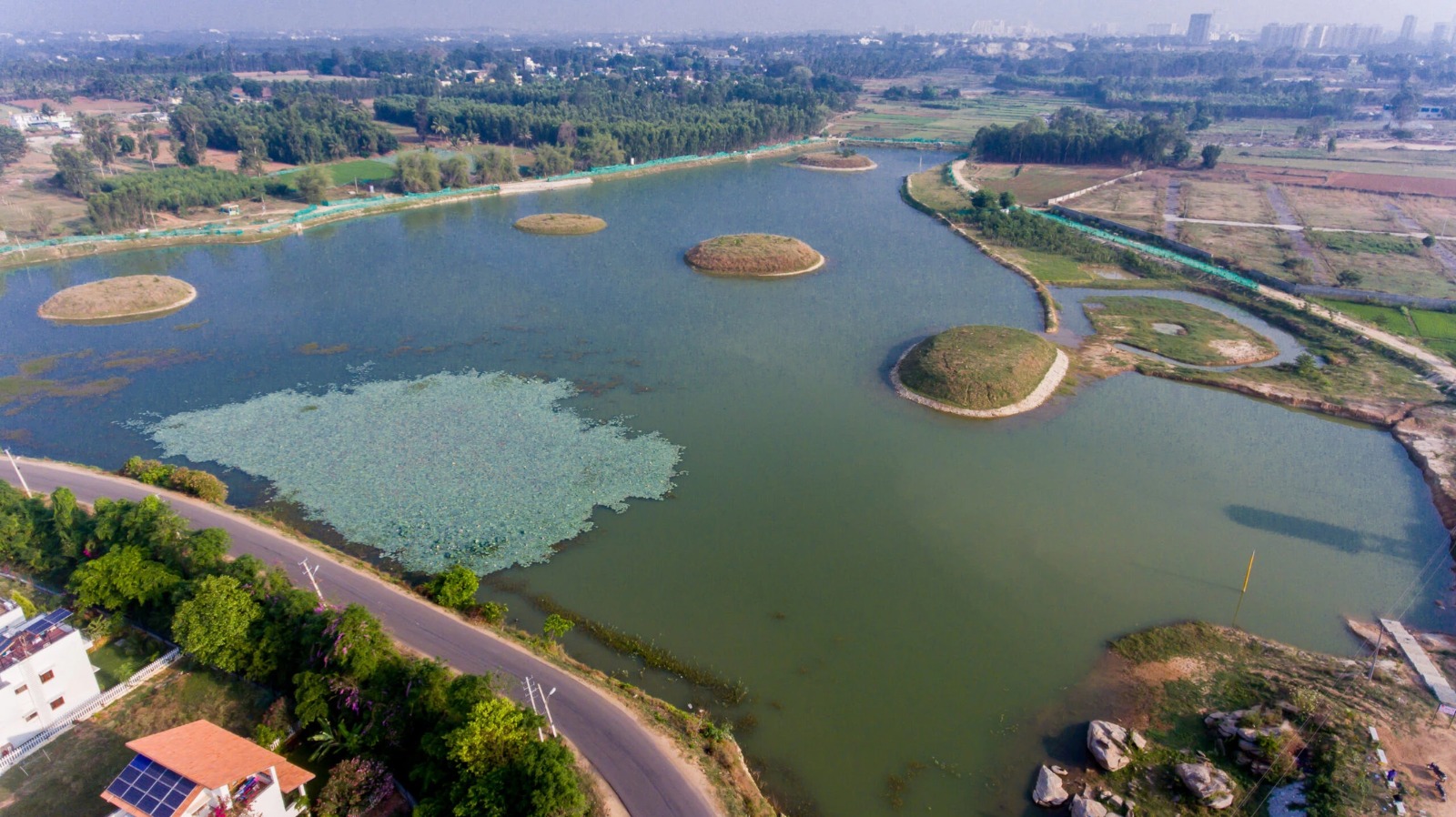
Fishing remains one of the most important economic activities linked to Son Beel, particularly during the monsoon when rising water levels create seasonal fishing opportunities. Yet profitability has become increasingly uncertain.
According to fisheries officials, around 400 hectares of the wetland remain productive for fisheries. However, several previously productive fishery zones have become non-functional because of siltation. Studies have pointed to sediment accumulation from the Singla River as a significant factor affecting the wetland's condition.
Researchers and local stakeholders have also reported concerns over declining fish diversity and production. Studies conducted in the district have linked falling fish numbers to deteriorating water quality and chemicals entering rivers and wetlands. Additional concerns include unsuitable fishing practices, the use of small-mesh nets that capture juvenile fish, and increasing plastic waste associated with expanding tourism activity.
Scientific assessments published in 2025 further indicated significant hydrological changes within Son Beel. Satellite analysis showed that permanent deep-water areas within the wetland had reduced substantially over the previous decade. These perennial pools are considered critical habitats that support fish survival during the dry season.
A separate watershed study also documented declines in water-body areas and marshland across the wider catchment. Researchers linked these changes to increased sediment delivery and landscape disturbances within the basin feeding the wetland.
Meanwhile, Assam's development plans for Son Beel include tourism-related infrastructure and a proposed floating solar project. However, experts argue that effective management requires a comprehensive understanding of the wetland's seasonal dynamics, water movement, biodiversity, sediment patterns and the livelihoods that depend on them




