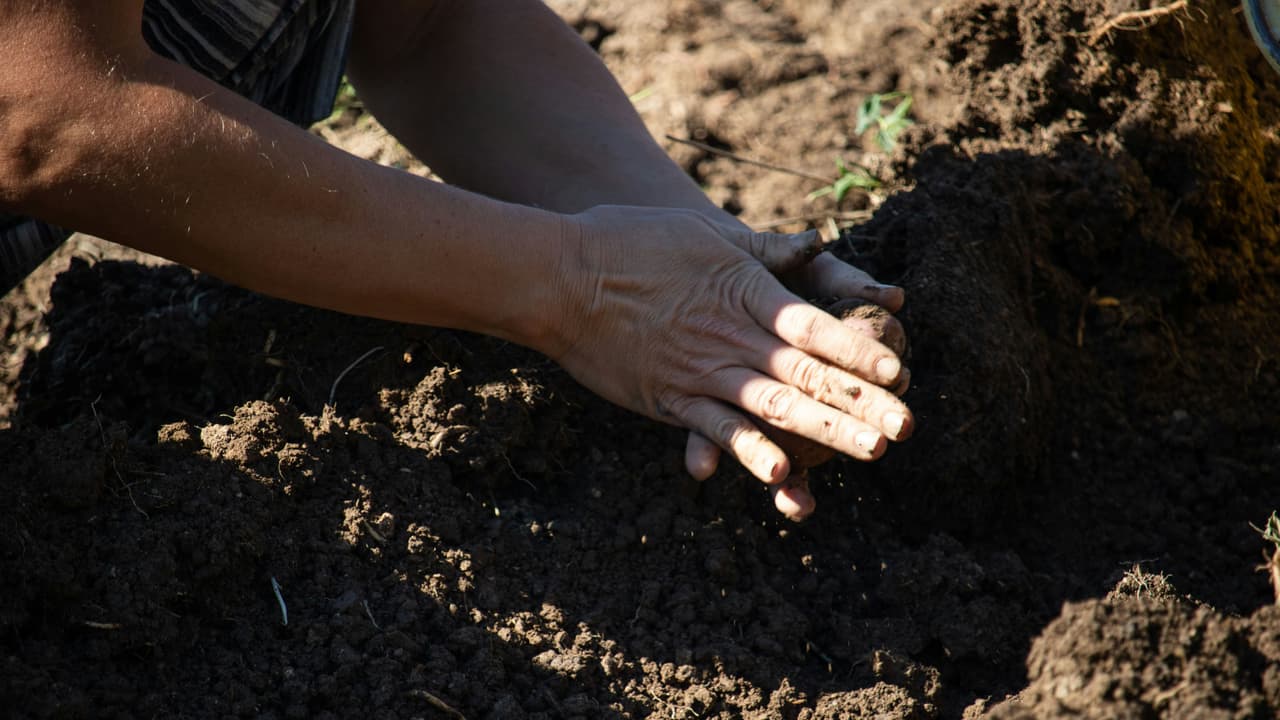
As drought tightens its grip across Hungary, residents are taking restoration efforts into their own hands, embracing unconventional methods to prepare landscapes for an increasingly uncertain climate future.
Faced with severe drought, shrinking water reserves and worsening climate pressures, volunteers across Hungary are building small dams, terraces and water-retention structures in an effort to hold onto every possible drop of rain.
The community-led effort has emerged as one of the country's most visible responses to prolonged dry conditions that have affected rivers, farms, forests and local ecosystems. While Hungary waits for significant rainfall following a drought-stricken summer, volunteers continue preparing landscapes to better capture water whenever it eventually returns.
Among the most active groups is the Water Guardians Movement, whose members have been constructing barriers across dried-up streams and creeks. Other teams are building terraces from logs and deadwood on hillsides to slow runoff and encourage water retention.
Related Articles

The objective is simple: prevent precious rainfall from quickly leaving the landscape and instead allow it to remain in soils, wetlands and groundwater systems.
The efforts come at a time when Hungary is confronting increasingly visible impacts from drought.
Low river levels have disrupted river transport and affected sectors dependent on water resources. The country's agricultural industry has also faced mounting challenges as prolonged dryness continues to alter farming conditions.
For many residents, the problem has become impossible to ignore.
Local forest engineer Bence Bardos, who leads restoration activities in the Ladany Valley near Hungary's border with Slovakia, said wells on his farm have almost dried up, highlighting the growing impact of climate change and regional geographical factors. He argues that while local communities cannot control broader climate trends, they can take practical steps to reduce water loss from the landscape.
Country Shifts From Draining Water To Retaining It
The volunteer projects represent a dramatic reversal from Hungary's historic approach to water management.
For decades, authorities focused on controlling floods by draining wetlands, regulating rivers and constructing channels that moved water away from agricultural land.
Experts now argue that these measures accelerated water loss and reduced the ability of landscapes to retain moisture.
According to researchers, straightening rivers and eliminating natural floodplains allowed water to flow away more rapidly while also contributing to reductions in nearby groundwater levels.
That understanding is increasingly influencing both community initiatives and government policy.
In August, Hungary introduced a new strategy emphasizing natural water-retention techniques and supporting measures aimed at restoring water within landscapes. The approach includes allowing some agricultural land to remain deliberately flooded rather than continuously draining water away.
Volunteers have embraced this concept by creating low-cost barriers designed to slow water movement across forests, hillsides and stream networks.
Agriculture And Communities Feel The Pressure
Drought has become a growing challenge for farmers across Hungary.
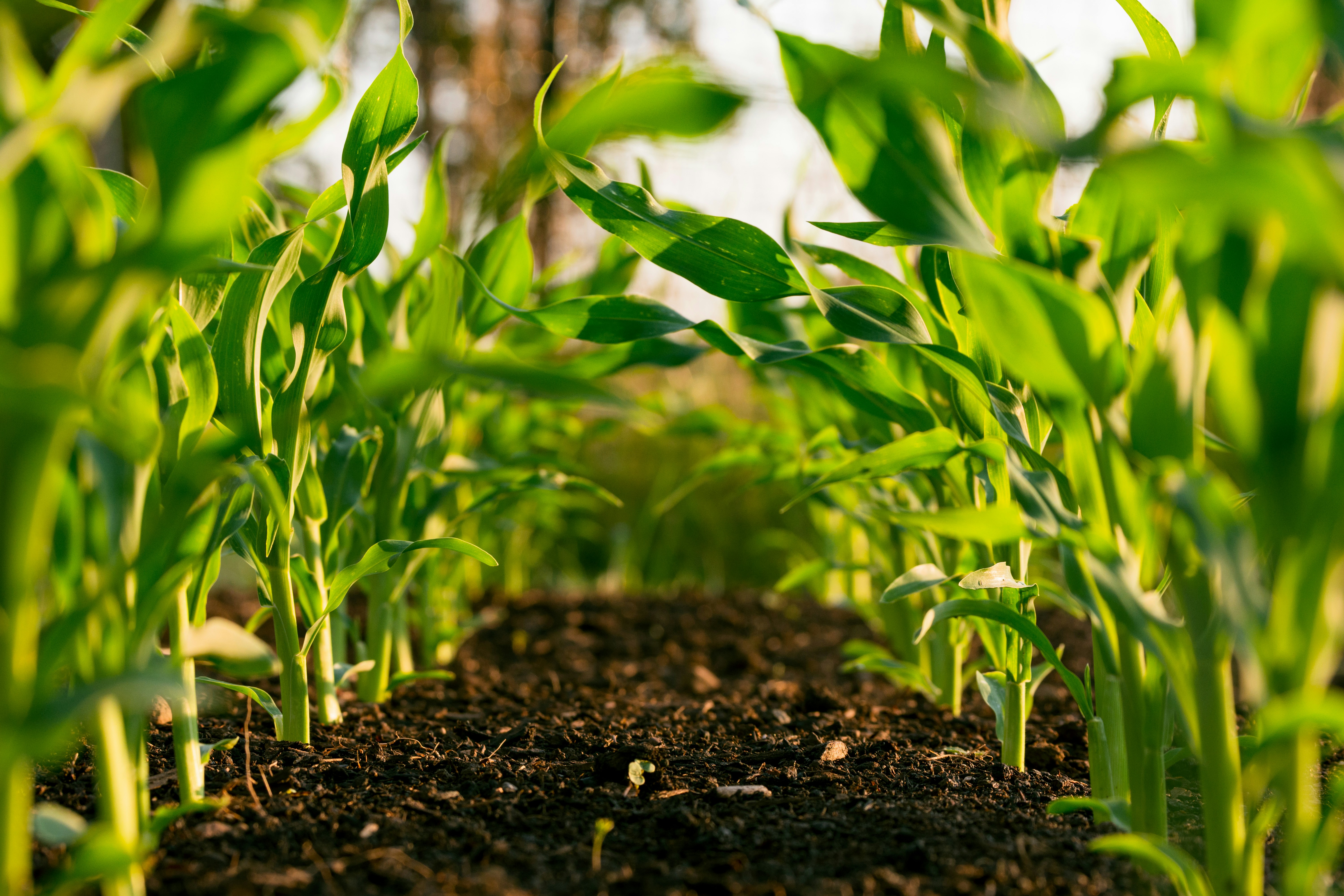
Changing conditions are already influencing planting decisions. According to agricultural researchers, the area harvested for maize has fallen below the area planted with sunflowers for the first time.
Scientists continue researching drought-resistant crop varieties and studying methods that could help agriculture adapt to increasingly difficult growing conditions.
Researchers say they cannot produce rainfall, but they can identify cultivation techniques and environmental conditions that improve crop resilience.
The economic consequences are also becoming more apparent.
Hungary's central bank has estimated that drought-related agricultural losses will reduce economic growth by 0.4 percentage points this year.
Some locals report that streams which had flowed for decades ran dry this year, while trees shed leaves months earlier than normal.
These experiences have strengthened support for local restoration projects.
The volunteers constructing dams and water barriers know their efforts alone cannot end Hungary's drought problems. Yet they believe slowing water loss and restoring natural retention systems can help communities better withstand a warmer and drier future.