
A landmark court ruling is reshaping debate around energy projects in Australia, with potential implications for how environmental impacts are assessed and approved in future developments.
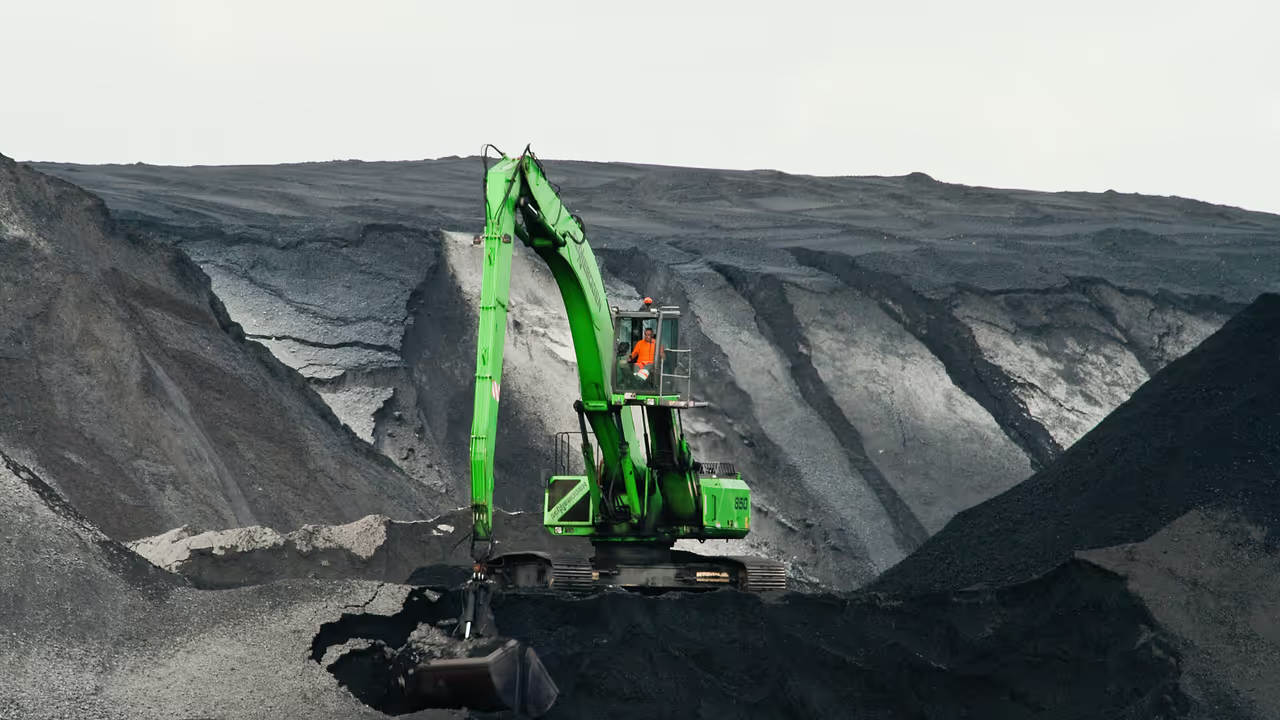
Australia's highest court has delivered a significant decision that could influence how future fossil fuel projects are assessed, after ruling that climate impacts linked to exported coal were not adequately considered during the approval process for a mining development.
The judgment centered on greenhouse gas emissions known as Scope 3 emissions, which are generated when exported fossil fuels are ultimately used by consumers. According to the court, these emissions accounted for the overwhelming majority of the mine's projected climate footprint.
In dismissing the appeal brought by the mining company, the High Court found that the approval process failed to properly examine whether conditions could have been imposed to reduce those emissions as much as reasonably possible.
The ruling is being viewed as a major development in Australia's environmental and planning landscape because it addresses the treatment of emissions produced outside the country after fossil fuels are exported.
Traditionally, regulatory requirements have focused more heavily on direct emissions generated during extraction and production activities.
The court noted that existing emissions controls covered the mine's direct operational footprint, but questioned why the far larger volume of emissions linked to the eventual use of the coal received limited consideration.
Environmental advocates say the decision strengthens arguments that climate impacts should be assessed across the full lifecycle of fossil fuel projects rather than only at the extraction stage.
The judgment also marks the first climate-related case to be decided by Australia's highest court.
Focus Turns To Scope 3 Emissions
The central issue involved the distinction between different categories of greenhouse gas emissions.
Scope 1 and Scope 2 emissions cover those produced directly by project operations and associated energy consumption. Under existing Australian rules, large emitters are subject to measures requiring emissions reductions or the use of offsets.
Scope 3 emissions, however, generally refer to emissions generated elsewhere in the value chain, including when exported coal, oil or gas is ultimately consumed.
In the case considered by the court, Scope 3 emissions represented approximately 98 per cent of the project's total greenhouse gas output.
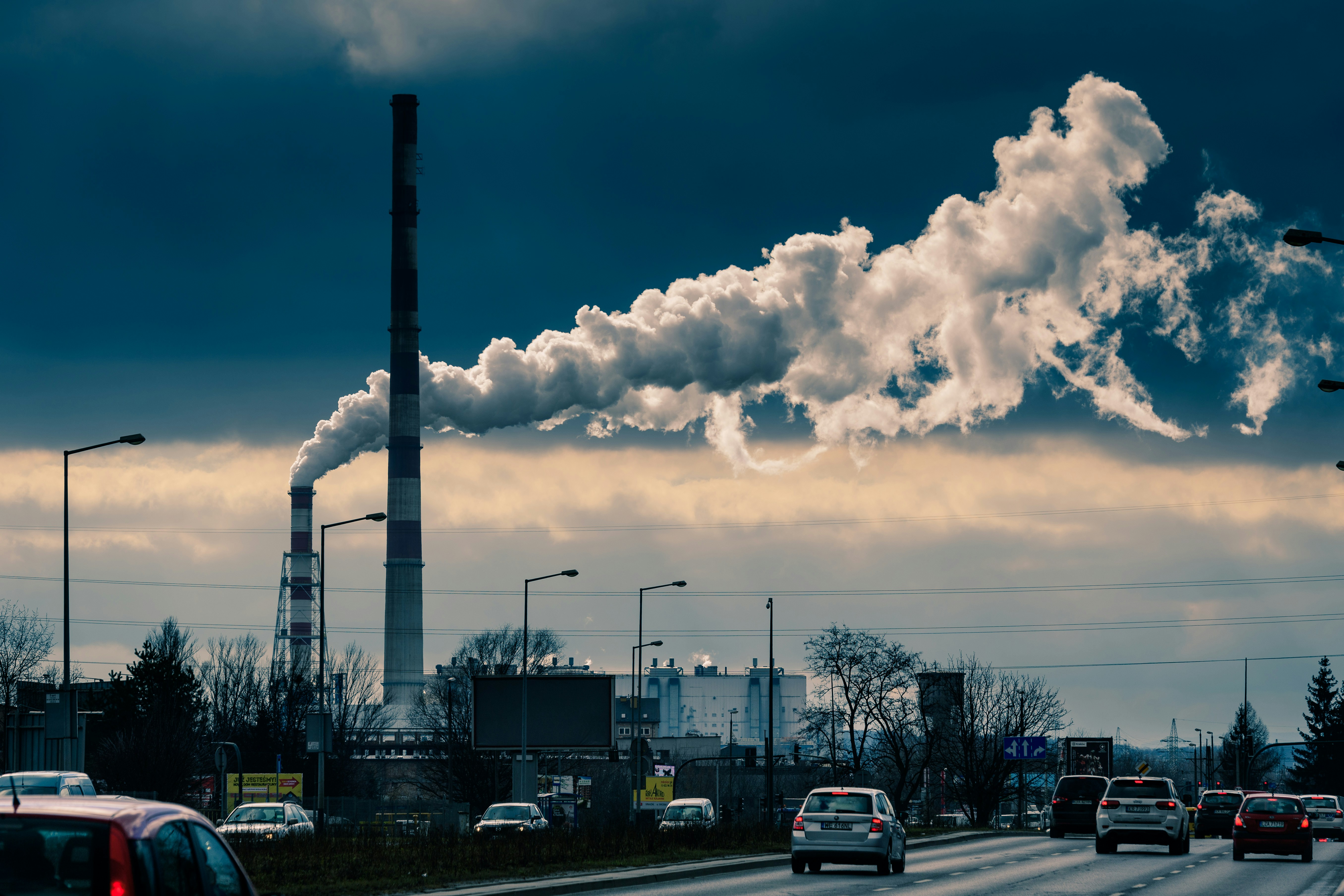
The judgment concluded that concentrating largely on the smaller operational emissions footprint left unanswered questions about whether broader climate impacts could have been addressed through project conditions.
Supporters of the ruling argue that the decision reflects the reality that a substantial share of climate impacts associated with fossil fuel projects occurs after resources leave the production site.
They view the ruling as an important clarification of how climate considerations can be incorporated into planning decisions.
Industry And Environmental Groups React Differently
The decision has generated contrasting reactions across Australia's energy and resources sectors.
Environmental campaigners welcomed the ruling, describing it as recognition that exported fossil fuels continue to contribute to climate impacts regardless of where they are ultimately burned.
They argue that approval systems should account for those consequences when evaluating new developments.
Industry representatives expressed concern that the judgment could create additional uncertainty for investment decisions.
Some business groups warned that greater scrutiny of downstream emissions may complicate approval processes for major energy projects, including coal and liquefied natural gas developments.
Critics of the ruling contend that stricter assessment requirements could influence investment patterns and affect Australia's competitiveness in global energy markets.
The broader implications may extend beyond coal projects.
Large natural gas developments already facing climate-related legal challenges are likely to attract renewed attention as courts, regulators and developers examine the consequences of the decision.
Australia remains a major exporter of both thermal coal and liquefied natural gas, making the regulatory treatment of emissions a significant issue for the country's energy sector.
While the full legal and commercial impact will emerge over time, the ruling is already being viewed as a landmark moment in the evolution of climate-related decision-making.
