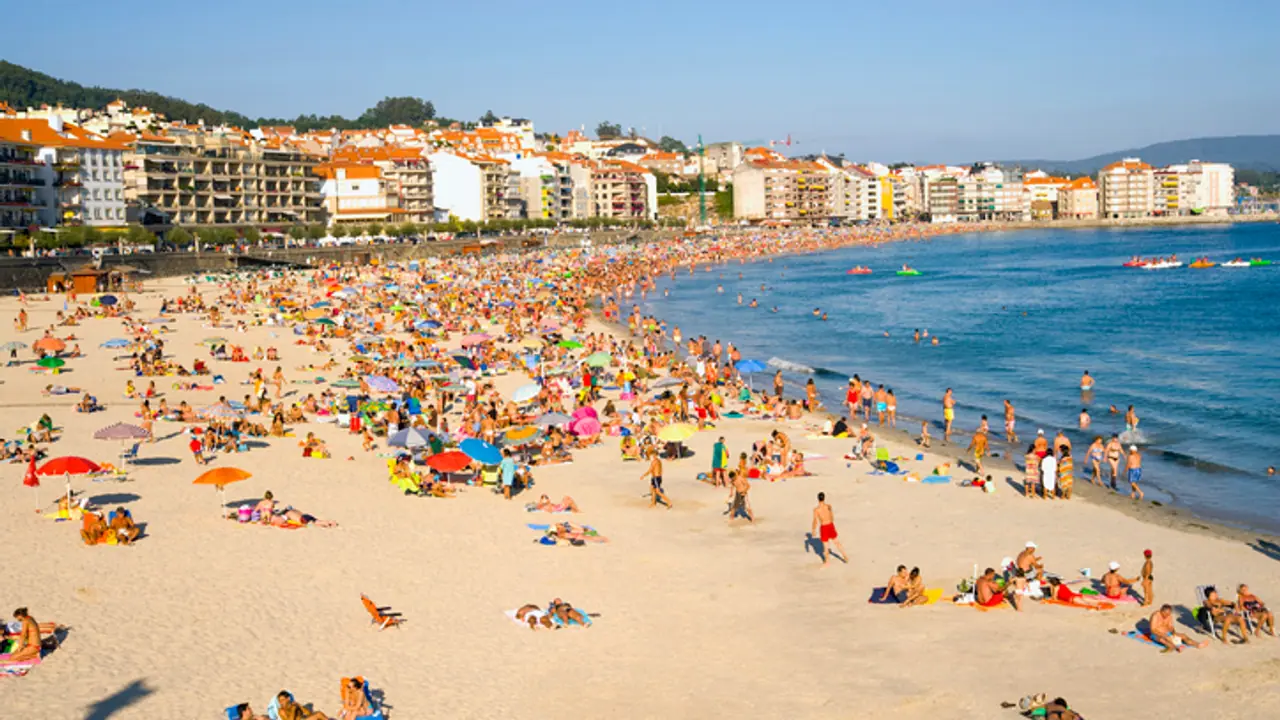
A new study shows that human-caused climate change made Europe’s recent heatwave up to 4°C hotter in many cities. The extreme heat likely led to higher deaths, especially among vulnerable groups like the elderly.
Scientists from five leading European institutions have found that human-driven climate change made the recent heatwaves across Europe much more severe. In many cities, temperatures were up to 4°C hotter than they would have been without global warming.
The researchers studied 12 cities, including Paris, London and Madrid, with a combined population of over 30 million people. These places faced dangerous levels of heat between late June and early July 2025.
June was the hottest on record in western Europe
According to EU climate monitor Copernicus, this June was the hottest ever recorded in western Europe. Many places saw temperatures above 40°C, breaking records and forcing the closure of schools, offices, and tourist sites.
Related Articles

Hospitals saw a rise in heat-related health issues. The elderly, children, people with medical conditions, and those working outdoors were at greatest risk.
Cities could have been 2-4°C cooler without climate change
The scientists used historical weather data to understand how much of this heat was caused by climate change. In 11 out of 12 cities, the data showed that temperatures would have been 2 to 4 degrees cooler if not for human-caused climate change.
"For some people, it’s just warm weather. But for many others, especially the vulnerable, it's very dangerous," said Ben Clarke, a researcher at Imperial College London.
Heatwaves are silent killers
This study is one of the first to estimate the number of deaths linked to heatwaves and how climate change may have worsened the situation.
"A temperature rise of even 2-4 degrees can mean the difference between life and death," said Dr. Garyfallos Konstantinoudis, also from Imperial College London.
Many heat-related deaths happen inside homes and hospitals, away from the public eye. That's why heatwaves are often called "silent killers." These deaths are underreported and often not counted in official records.
Cities face more risk due to heat island effect
The study also highlights how urban areas suffer more during heatwaves. This is due to the urban heat island effect, where buildings and roads trap more heat than open spaces or rural areas.
As a result, people living in cities, especially those without cooling systems or green spaces, face greater danger during extreme heat events.
A warning for the future
Scientists say their research offers just a partial snapshot, since full official death numbers are not yet available. However, they agree that climate change is already making heatwaves more frequent and more deadly.
The findings are a clear reminder that action against global warming is urgent. Without strong steps, millions of people in cities will continue to face rising health risks every summer.