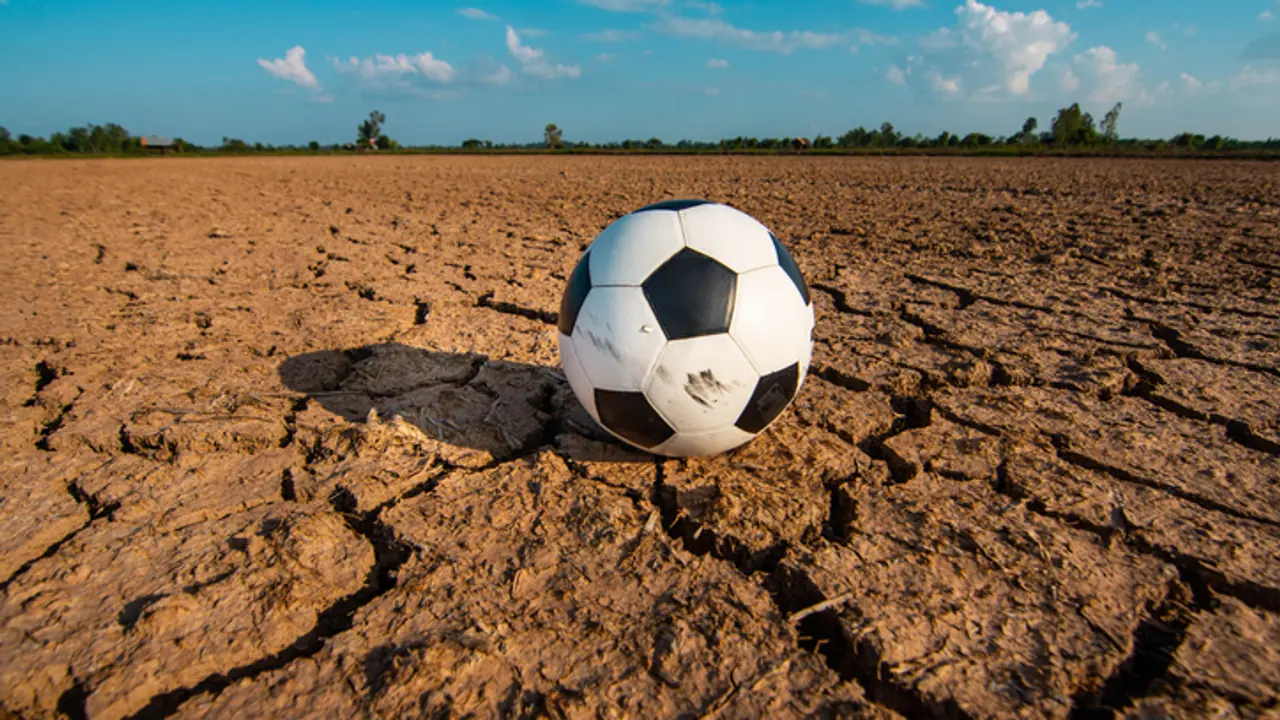
The 2026 FIFA World Cup will have more teams and games, but experts warn it could nearly double climate emissions from travel. While fans enjoy the sport, the environment may face bigger challenges.
The FIFA World Cup in 2026 will be bigger than ever. For the first time, 48 teams will take part, playing 104 matches across the United States, Mexico and Canada. This means millions of fans will travel across North America to watch their teams play.
While this brings excitement and billions in revenue, it also brings big climate worries.
Why more travel means more pollution
With more teams and matches, there will be more flights for players, staff and fans. Planes release a large amount of carbon dioxide, which adds to global warming. Experts say the 2026 World Cup could create over 9 million metric tons of carbon dioxide, almost double the amount from past tournaments, says a report in The Conversation.
Related Articles

Most of this pollution will come from air travel between cities like New York, Los Angeles, Toronto and Mexico City.
Climate change is already affecting sports
Sports are not safe from climate change. Summer heatwaves are dangerous for players. Winter sports seasons are getting shorter. Many of the 2026 World Cup cities can get very hot in June and July, when the games are scheduled.
Some athletes and fans are asking sports leaders to think more about the environment. But at the same time, sports events are growing to make more money.
Can big sports events really be eco-friendly?
Sports groups like FIFA and the NCAA say they care about the environment. They have promised to lower their impact. But when events keep getting bigger, it becomes hard to keep those promises.
For example, FIFA said the 2022 World Cup in Qatar would be 'carbon-neutral', but experts in Europe said that was not true. A Swiss group later said FIFA could not prove its claims.
What fans can do to help the planet
Fans can also make choices that are better for the Earth. Here are some simple ideas:
- Take trains or buses instead of short flights
- Use bicycles, electric cars, or public transport in host cities
- Stay in green hotels or places that use less water and energy
- Eat local food and try not to waste
- Pay to offset your travel emissions, this helps balance the pollution from your trip
These small steps can add up, especially when millions of people take part.
It’s not easy to balance sports and the environment. Big events bring joy and money but also harm the planet. The answer may lie in honest planning, better travel ideas and true efforts to reduce waste and emissions.
The 2026 World Cup is a big moment, not just for football, but for showing whether the sports world can grow in a smarter, greener way.