Human actions like deforestation and climate change are creating new seasons, like haze and trash seasons, while traditional ones are vanishing. These changes disrupt nature's rhythms and challenge how we understand and live with time.
In the past, people trusted the seasons to come and go in a steady, familiar pattern. These cycles helped them grow food, celebrate festivals and plan their lives.
But now, that rhythm is changing. Human activities like burning forests, building dams and changing the climate are creating new types of seasons, says a study reported by The Conversation. Some older seasons are even disappearing. These shifts affect plants, animals and people in many parts of the world.
Human-made seasons are now part of nature
Scientists say that some of today's new seasons are made by humans. These are called anthropogenic seasons, which means 'caused by people'.
Related Articles

One example is the haze season in parts of Southeast Asia. This happens when forests are burned to clear land. The smoke fills the sky and makes it hard to breathe. Another example is the trash season in Bali, Indonesia. Between November and March, ocean tides bring huge amounts of plastic waste to the beaches.
These seasons are not natural. They are caused by pollution, waste and land misuse.
Some seasons are fading away
While new seasons appear, some traditional ones are vanishing. In northern England, seabird breeding seasons are changing or disappearing. Birds are not returning to their nests at the usual time, or at all.
In snowy regions, winter sport seasons are becoming shorter or even impossible due to warmer weather and less snowfall. This affects tourism and local communities who depend on these sports for income.
Nature's rhythm is becoming uneven
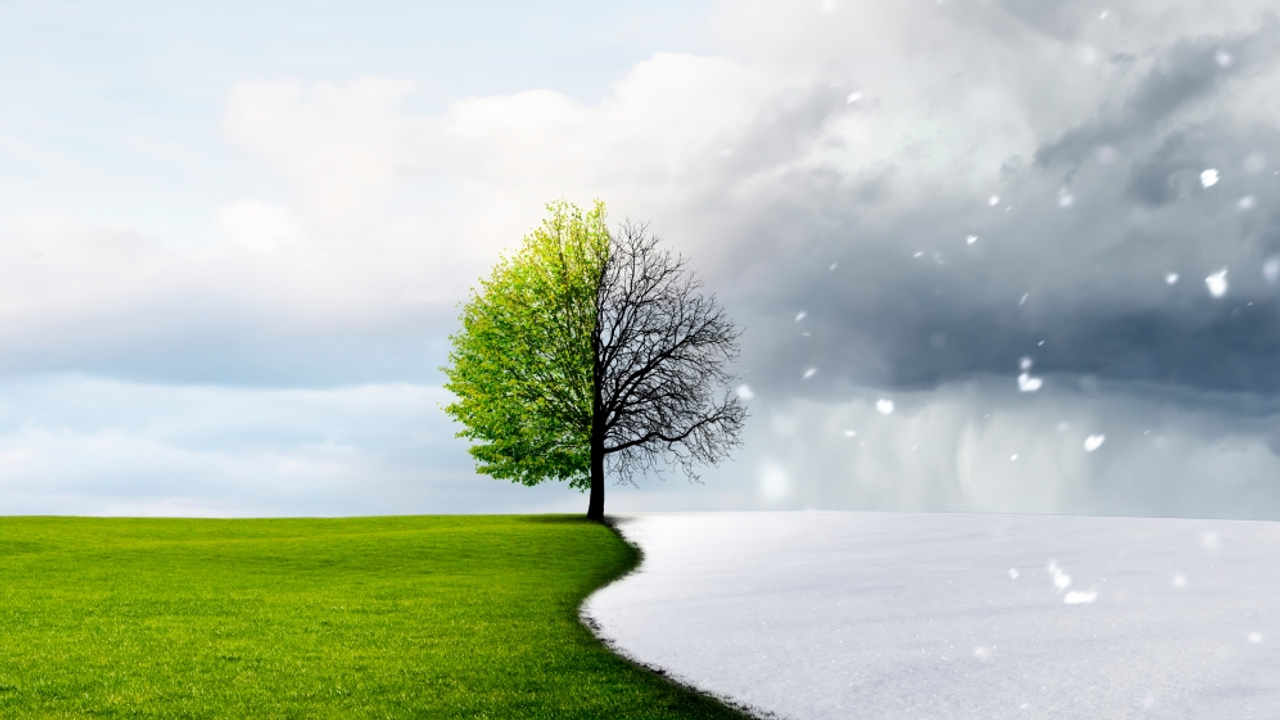
Many places are now facing what experts call syncopated seasons. This is like music that sounds off-beat, still familiar, but not quite right.
This means hotter summers, shorter winters, and more extreme weather like floods and heatwaves. Timing for natural events like tree leaves falling or birds migrating is no longer the same each year. It confuses animals and affects farming.
Scientists also talk about arrhythmic seasons, a term borrowed from heart health, where seasons arrive too early or too late, or don’t last the usual time. These changes upset the balance between animals, plants, and people.
How changing seasons hurt people and places
In northern Thailand, the Mekong River's seasonal flow has helped farmers and fishers for generations. But dams built upstream now block fish and stop rich soil from reaching farms.
Worse, climate change is making dry seasons longer and wet seasons shorter but more intense. This brings more fires and sudden heavy rains. Farmers don't know when to plant or harvest crops. Their lives are now full of guesswork and loss.
Adapting is not always enough
Some governments and groups have taken steps to help. In places with haze season, people use air filters and get warnings when the smoke gets bad. These efforts help, but they only treat the problem, they don't stop it.
In fact, calling it “haze season” every year may make people accept it as normal. It can even allow companies or governments to avoid taking real action. We must understand that behind these seasons are deeper causes like deforestation and poor planning.
We need to rethink time itself
Most people today follow a fixed calendar and clock. We count time by hours, days, and months. But long ago, many cultures followed natural signs like the arrival of rain or the blooming of flowers to mark time.
Indigenous knowledge still follows nature’s rhythms. These ways of keeping time may help us deal with the new climate reality better. Learning from these traditions can offer fairer, more useful answers to the problems we face.
A new way to live with nature
Seasons are not just blocks of time. They connect us to nature. But now, they are changing because of what we do. If we don't act, we risk losing the balance that supports all life.
By learning from nature and from different cultures, we can find new ways to live with the seasons, even the new ones we've made. Understanding and respecting these changes is the first step toward a better, fairer future.