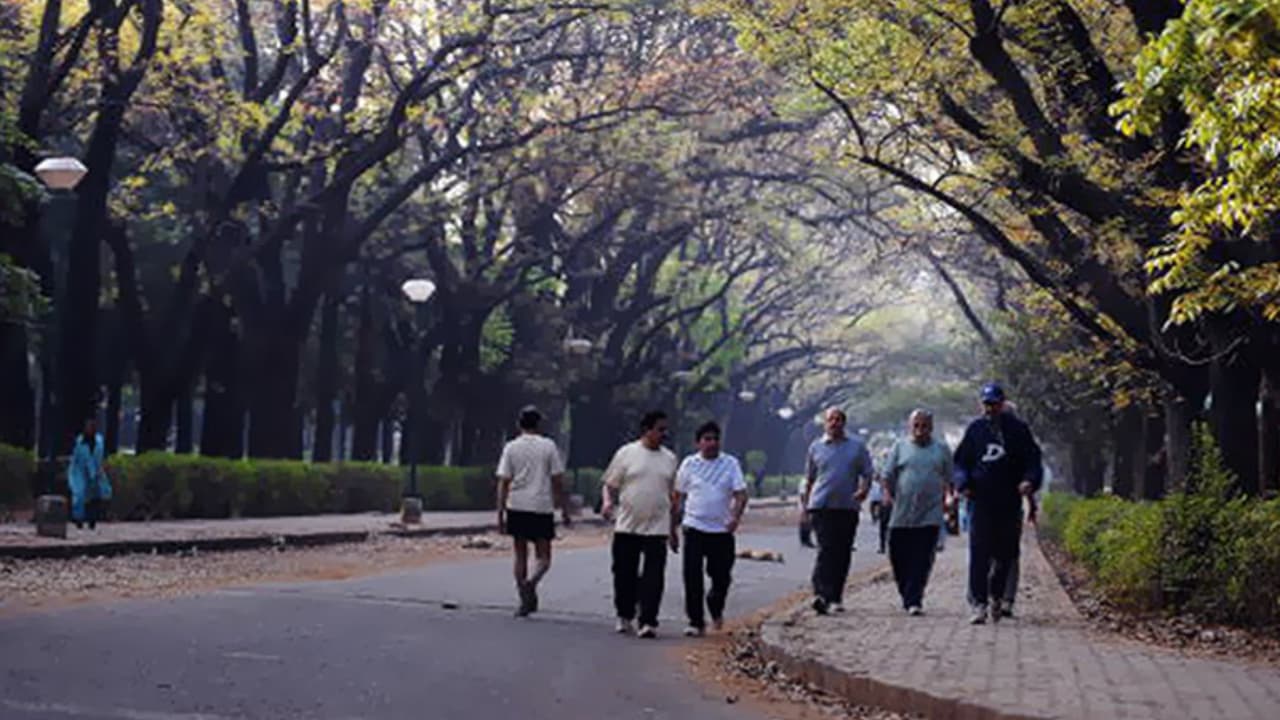
As major infrastructure projects advance across Bengaluru, citizen-led surveys are uncovering questions about tree loss, environmental impacts and the future of green spaces in one of India’s fastest-growing cities.
Bengaluru’s shrinking green cover has become the centre of a growing civic movement, with residents conducting their own tree surveys and questioning the environmental costs of major infrastructure projects planned across the city.
The push comes years after a tree census mandated by the Karnataka High Court remained unfinished. Concerned about the potential loss of mature trees to flyovers, elevated corridors and tunnel roads, residents in several neighbourhoods have begun documenting local tree populations themselves, often arriving at figures that differ sharply from official project estimates.
One of the most prominent efforts emerged in Indiranagar, where residents surveyed trees along part of a proposed elevated corridor linking Swami Vivekananda Metro Station and Silk Board Junction.
According to the project's detailed report, 89 trees are expected to be felled and 235 trees fall within the broader construction zone along the planned 13-kilometre route. However, a citizen-led survey conducted along roughly 3.5 kilometres of the alignment identified 1,001 trees.
Residents involved in the exercise argue that official counts may not accurately reflect conditions on the ground. Their findings have formed the basis of legal action currently before the Karnataka High Court.
The dispute has already influenced the project. A portion of the proposed flyover alignment has been removed, while authorities await further judicial proceedings before moving ahead with some components of the scheme.
The controversy reflects wider concerns surrounding Bengaluru's infrastructure expansion strategy.
The city has proposed multiple elevated corridors covering more than 75 kilometres. Critics argue these projects could lead to significant tree loss while providing limited long-term relief from congestion.
Alongside the flyover debate, residents have also opposed a tunnel road project in Hebbal. Objections focus not only on traffic planning but also on the potential removal and transplantation of more than a thousand trees.
Legal challenges have resulted in temporary protections preventing tree felling while environmental concerns are examined.
Rapid Urban Growth Raises Environmental Concerns
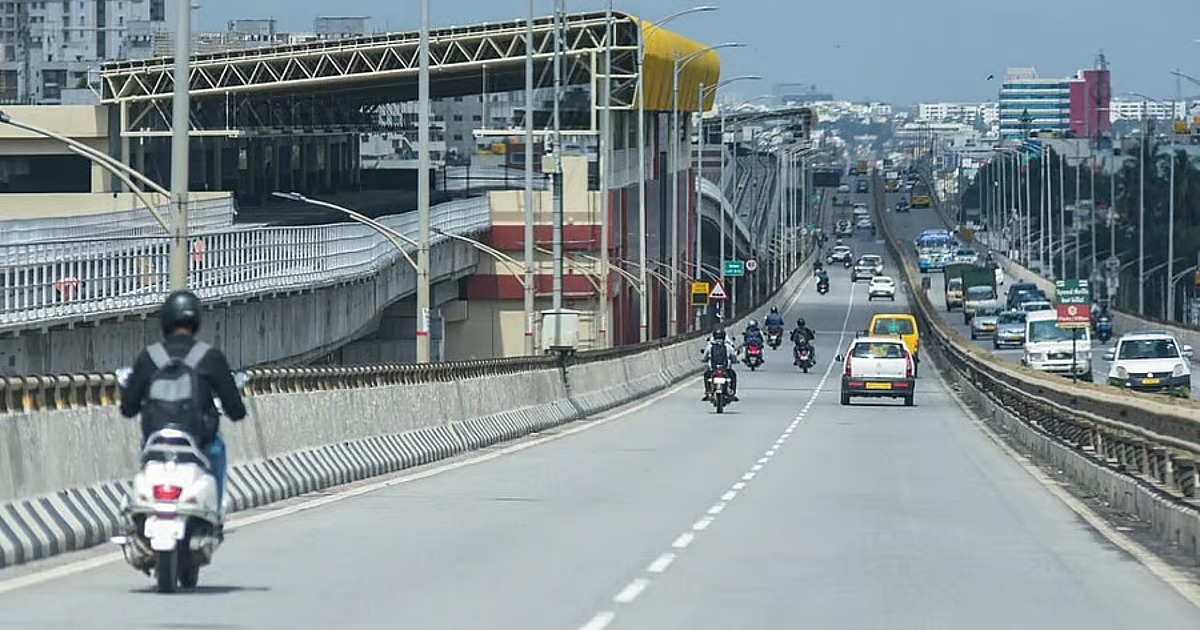
The debate is taking place against the backdrop of dramatic land-use changes documented by researchers.
Studies conducted by the Indian Institute of Science indicate that Bengaluru's built-up area expanded by more than 1,000 per cent between 1973 and 2025. During the same period, vegetation cover declined by 88 per cent while water bodies shrank by 79 per cent.
Researchers say these transformations have intensified the urban heat island effect, causing built-up areas to record substantially higher surface temperatures than locations containing dense vegetation or water bodies.
The role of mature trees has therefore become increasingly important.
Large canopy trees provide shade, moderate temperatures, support biodiversity and help improve air quality. Environmental experts stress that older trees are particularly valuable because their ecological benefits cannot be quickly replaced through compensatory planting.
Many infrastructure projects include provisions for planting replacement saplings. However, specialists argue that young trees require decades to approach the ecological functions performed by mature specimens.
Tree transplantation has also been proposed as a mitigation strategy. Yet researchers note that survival rates for older transplanted trees can be low, and even surviving trees often require many years to recover from relocation-related stress.
Citizen groups are also drawing attention to impacts beyond tree numbers alone.
They argue that project assessments frequently overlook habitat connectivity and biodiversity. Trees scheduled for removal often support birds, insects and other species that depend on interconnected green spaces.
Environmental scientists caution that urban ecosystems rely not only on the number of trees but also on how those trees are distributed across the landscape. Connected green corridors help reduce local temperatures, support wildlife movement and strengthen ecological resilience.