
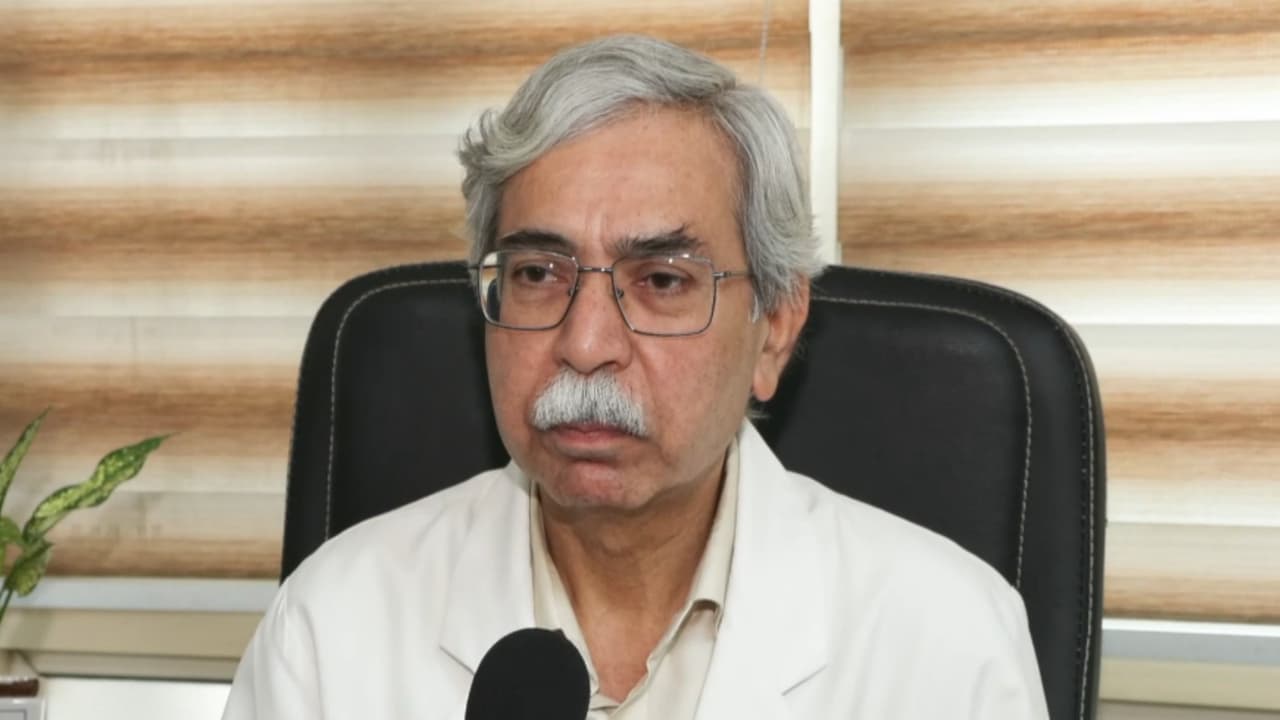
AIIMS' Dr Rajiv Narang warns that young women are increasingly suffering from heart attacks, often with atypical or milder symptoms. He stresses the need for vigilance, especially for those with diabetes, and advises immediate medical checks for any chest pain.
It was considered for years that women are less prone to heart attacks, but now young women are suffering from heart attacks. Speaking with ANI on atypical heart attack signs in women, Professor & HOD, Department of Cardiology, AIIMS Delhi, Dr Rajiv Narang, said, "Since their symptoms can be atypical or less pronounced, women need to be vigilant; if they experience discomfort or chest pain, they should consult a doctor immediately."
He further said, "Women often experience milder or atypical symptoms compared to the classic presentation. The risk of heart disease in women tends to arise later in life—specifically, the risk is lower during the pre-menopausal stage and increases subsequently."
He also said that if a wome is diabetic, the risk factor increases, "This is especially important if they have other risk factors such as diabetes, high blood pressure, or excess weight."
Diagnosing a Heart Attack: Key Tests Explained
On heart attack symptoms, Dr Narang said, "Pre-infarction angina refers to chest pain experienced by a patient before the actual heart attack occurs. The key takeaway is that if someone experiences chest heaviness or pain, they should consult a doctor or immediately visit a nearby emergency department. There, two tests—an ECG and a blood test—are performed to check for damage to the heart muscle; based on the results, medication can be started right away if necessary."
He further explained that the blood test includes a troponin test, which plays a crucial role, "This is a protein that is found only in the heart muscle cells. When the heart cells start getting damaged due to lack of blood supply, like in a heart attack, these cells break, and this Troponin is released into the blood. We detect it in the blood test.If it comes back positive, it means the heart is getting damaged, and immediate admission and treatment need to be started. This is the most important test for a heart attack."
Another test is a chest X-ray; with this, we can find out if the size of the heart is enlarged or not, which is called Cardiomegaly. Also, whether there is water in the lungs. Echocardiography (ECHO) is an ultrasound of the heart. This is also a very important test, as you said. With this, we can see 3 things, structure of the 4 chambers of the heart. How much the heart is pumping - this is called EF and whether the 4 valves of the heart are leaking or blocked." (ANI)
(Except for the headline, this story has not been edited by Asianetnews Editorial staff and is published from a syndicated feed.)