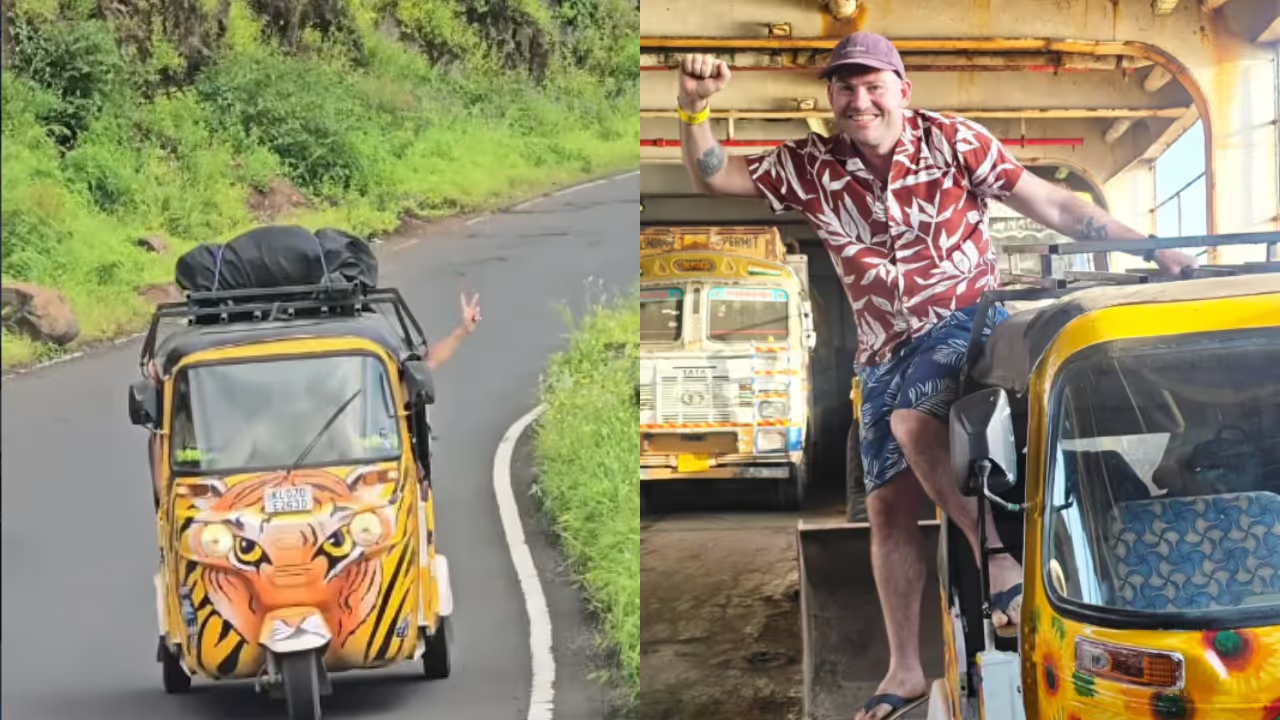
A mayor from Norway and his marine engineer nephew take on a 3,500-km Rickshaw Run from Jaisalmer, Rajasthan, to Fort Kochi, Kerala, sharing their experiences of India's roads, landscapes, food and hospitality.
A 3,500-km road trip across India in an auto-rickshaw turned into an unforgettable adventure for Norwegian marine engineer Øyvind Hesjevik and his uncle, Jo Inge Hesjevik, the mayor of Porsanger Municipality in Norway. Travelling from Jaisalmer in Rajasthan to Fort Kochi in Kerala as part of the international Rickshaw Run 2026, the duo navigated scorching desert temperatures, challenging road conditions, heavy traffic and unexpected encounters with locals. Their 13-day journey offered them a unique glimpse into India's diverse landscapes, rich food culture and remarkable hospitality, leaving them with memories that extended far beyond the road.
According to a report by Hindustan Times, Øyvind, who owns and operates a commercial fishing boat in the Arctic, and his uncle took on the cross-country challenge to experience India in an unconventional way.
From Norway's Arctic Region To India's Desert Roads
Hailing from Norway's far north, Øyvind and Jo Inge embarked on the adventure with a shared appetite for unusual travel experiences. Øyvind, a marine engineer, travelled with his uncle, who serves as the mayor of Porsanger Municipality.
Before beginning the main challenge, the pair arrived in Delhi and hired two scooters for a journey of approximately 800 km through Punjab towards Rajasthan. With temperatures reaching 43 degrees Celsius, the ride tested both their endurance and the limits of their rented vehicles.
Their journey eventually brought them to Jaisalmer, where they prepared to begin the organised Rickshaw Run alongside other participating teams.
Related Articles

What Is The Rickshaw Run?
Organised by The Adventurists, the Rickshaw Run is an international adventure that challenges participants to cross vast stretches of India in auto-rickshaws. Rather than following a conventional road-trip itinerary, participants must navigate unfamiliar routes, manage mechanical problems and find their own solutions to unexpected challenges along the way.
The 2026 expedition covered approximately 3,500 km, with Jaisalmer in Rajasthan serving as the starting point and Fort Kochi in Kerala as the destination. Participants had 13 days to complete the journey, relying largely on their own resourcefulness and assistance from local residents when necessary.
According to information shared about their expedition, the entry fee was approximately £2,395 per rickshaw, equivalent to around ₹3 lakh. The duo also estimated that they spent close to ₹10,000 a day on food, fuel, accommodation and tea, apart from international flights and participation fees.
Near The Pakistan Border, The Journey Takes A Risky Turn
The adventure began in the scorching desert landscape of Rajasthan, with the duo heading south-west along roads near the Pakistan border. Their first major challenge emerged at sunset when they attempted to find accommodation in a border town.
They were reportedly informed that foreign nationals could not stay overnight so close to the border. This forced them to travel another 100 km east along rough and uneven roads to find suitable accommodation.
Night driving brought further difficulties. Oncoming vehicles frequently failed to dip their headlights, while cattle wandering along the road created sudden hazards. In one particularly alarming incident described by the travellers, a speeding vehicle overtook them in the darkness and struck a cow just metres ahead of their rickshaw.
The experience highlighted the unpredictable nature of driving long distances through unfamiliar parts of India.
Unexpected Encounters With Locals
Despite the challenges, meeting local residents became one of the most memorable aspects of the trip. The duo gave lifts to several hitchhikers, eventually reaching a reported total of 13 people picked up during the journey.
Among them were two men travelling from a neighbouring state where alcohol was prohibited. Although the passengers did not speak English, they managed to communicate through gestures, Hindi and animated expressions.
The travellers also encountered people selling coconuts and others carrying large sacks of rice. These spontaneous interactions offered them a closer look at everyday life beyond India's major tourist destinations.
Their journey also involved numerous conversations, selfies and cups of tea with curious residents, many of whom were surprised to encounter foreign travellers driving an auto-rickshaw through their towns and villages.
Food, Stomach Troubles And The Realities Of Road Travel
The Rickshaw Run also brought a few uncomfortable moments. The duo reported increasingly frequent trips to the toilet as the journey progressed, attributing their difficulties to unfamiliar food and exposure to local microbes.
Although they had spent time in Oslo eating falafel before arriving in India, they admitted that they were not entirely prepared for the realities of travelling across the country. Carrying hand sanitiser became one of their practical priorities as they continued to meet people along the route.
Food, however, remained one of the highlights of their experience. The travellers praised the quality of Indian cuisine and the affordability of everyday expenses, describing the value for money as exceptional.
A Race Against Time To Catch A Ferry
On the third day, the travellers planned to reach a port town to catch a ferry across a bay. With only half the usual distance to cover, they initially took their time, underestimating the impact of poor roads and heavy traffic.
As the day progressed, they realised that they would have to speed up to reach the ferry on time. After a last-minute rush and confusion over ticket serial numbers, they managed to board just before departure.
The episode became another example of the logistical challenges that defined their adventure, as even a seemingly straightforward journey could turn into a race against the clock.
Beyond The Stereotypes: A Different View Of India
Reflecting on their experience, the Norwegian travellers acknowledged that India is often associated with plastic pollution and chaotic traffic. However, they said these perceptions represented only a small part of what they encountered during their journey.
They were particularly impressed by the kindness of local residents, who frequently offered help whenever their rickshaws developed problems. The landscapes, natural beauty, food and affordability also left a lasting impression.
Although they had expected the vehicles to break down repeatedly on potholes, speed bumps and sandy stretches, the rickshaws proved more resilient than anticipated. On occasions when mechanical difficulties arose, a helping hand from local residents often made the difference.
The duo also noted that they encountered very few other foreign tourists outside popular destinations such as Goa. Travelling through less-frequented areas allowed them to experience a different side of the country and engage more directly with local communities.
A 3,500-Km Adventure To Remember
For Øyvind and Jo Inge, the Rickshaw Run was about far more than reaching the finish line. Their 13-day journey from Rajasthan to Kerala combined endurance, improvisation, cultural discovery and countless unexpected encounters.
From navigating desert roads near the Pakistan border to sharing tea with strangers and receiving help from residents, the experience challenged their expectations and deepened their appreciation of India.
Their adventure demonstrated how travelling slowly through a country can reveal experiences that conventional tourism often misses. Despite the heat, traffic, rough roads and occasional discomfort, the pair came away with a strong impression of India's hospitality and diversity, expressing their hope of returning soon.