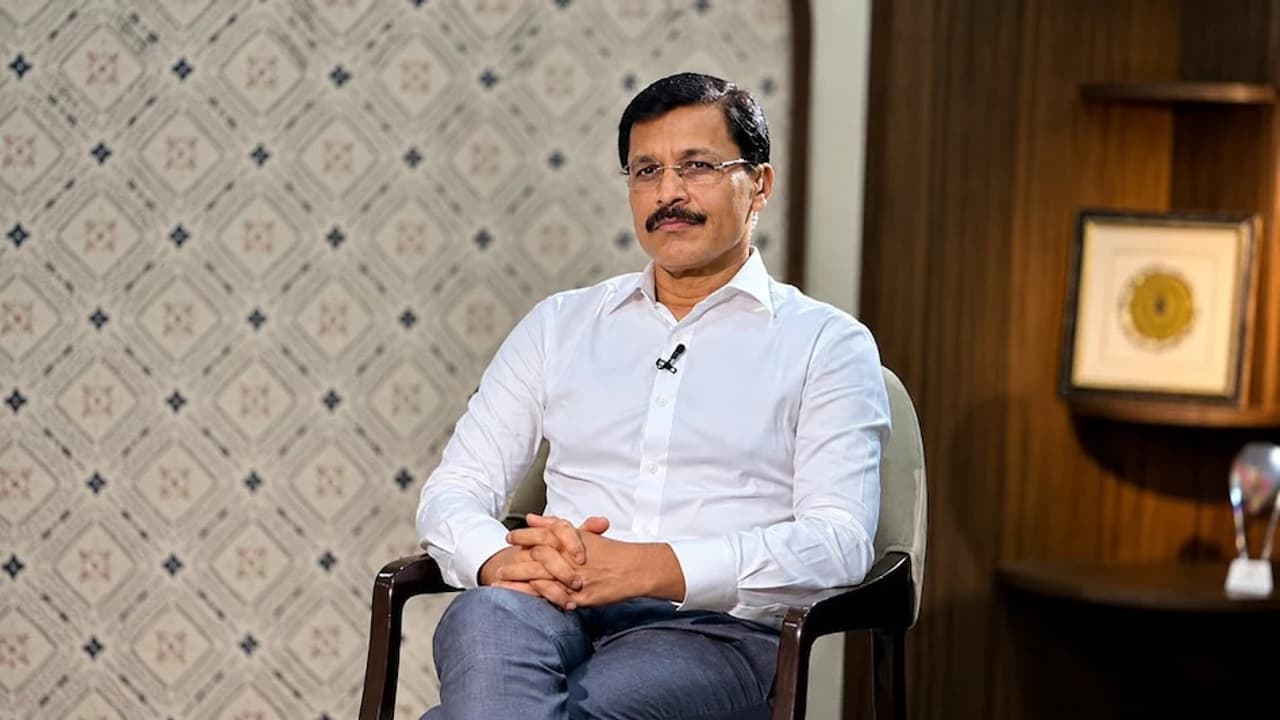
Maharashtra FDA Commissioner Tukaram Mundhe has strongly backed President Droupadi Murmu's recent appeal urging film stars not to endorse products harmful to public health. Mundhe emphasized that "Influence is not immunity," reminding celebrities of their responsibility, particularly following recent FDA notices concerning surrogate advertising.
Tukaram Mundhe, Maharashtra's FDA Commissioner, backed President Droupadi Murmu's recent call. She urged film stars: Stop endorsing products harmful to public health. Mundhe didn't mince words. "Influence is not immunity," he declared.
President Murmu made her appeal Tuesday. It happened at the 72nd National Film Awards in Gujarat. She showed how celebrities profoundly impact young minds. This isn't the first time Maharashtra's FDA has taken action either. They previously sent notices to top Bollywood actors for suspected surrogate advertising.
President Murmu's Powerful Appeal
September 22, 2026 – that was the date President Murmu made her plea. At the National Film Awards in Ekta Nagar, Gujarat, she told film stars to watch their endorsements carefully. Successful artists, she noted, promote disciplined lives. They inspire millions of children and youth. They shape aspirations and consumption habits.
Related Articles

“A true star is one who spreads light, not darkness.” President Murmu used those words, appealing to popular artists. She said: Don't endorse products harming public health. Celebrities hold "a powerful influence on young minds." They must use it responsibly. They are powerful societal role models.
Mundhe Reiterates Responsibility
The very next day, Wednesday, Commissioner Mundhe amplified President Murmu's message. He shared her speech video on X (formerly Twitter). He repeated his firm stand on celebrity endorsements. Artists, like everyone else, must respect the law. They must acknowledge their power to shape public choices.
"Influence is not immunity." Mundhe's direct warning shows the legal and moral weight celebrities carry. He explained: "When influence is used to endorse food products, public health cannot be an afterthought." Public well-being, he stressed—always comes before commercial gains.
"No one is above the law," the FDA chief declared. "Influence must never become a licence to promote what may harm public health. No commercial interest can take precedence over public health."
Fame brings reach. It doesn't mean you ignore the law. It doesn't mean you ditch your ethical duty to public health.
The Maharashtra FDA already sent notices to big Bollywood names. Shah Rukh Khan, Ajay Devgn, and Tiger Shroff were among them. These were for their Vimal Elaichi ad. The FDA suspected it was a surrogate promotion for Vimal Pan Masala. That product is banned in Maharashtra. It harms health. Surrogate advertising – promoting banned items through legal ones – has become a major target for the FDA. Mundhe reminded us: "In Maharashtra, we have already issued notices to artists for endorsements that raise concerns in the larger public interest." This shows their ongoing fight against misleading and harmful ads.
Enforcing Accountability: The FDA's Stance
Maharashtra FDA's actions, especially under Commissioner Mundhe, signal a tougher stand. They now pursue misleading endorsements aggressively. The Vimal Elaichi case perfectly illustrates this. The regulatory body challenges ads that bypass public health laws. They sent notices to top celebrities. This sends a clear message: Don't use your public image for surrogate advertising. The FDA won't tolerate it. This approach protects consumers, particularly young people. It shields them from harmful or deceptive products. The "larger public interest" dictates their mandate. Citizen welfare comes before any company's or celebrity's commercial interests.
"No commercial interest can take precedence over public health." Mundhe's declaration stiffens the administration's resolve. His position matches the President's appeal. This creates a united front. From top government tiers to regulatory bodies, they demand greater ethical responsibility. They target entertainment and advertising. This constant scrutiny of celebrity endorsements marks a major shift. Authorities now question public figures' moral and legal obligations more than ever.