
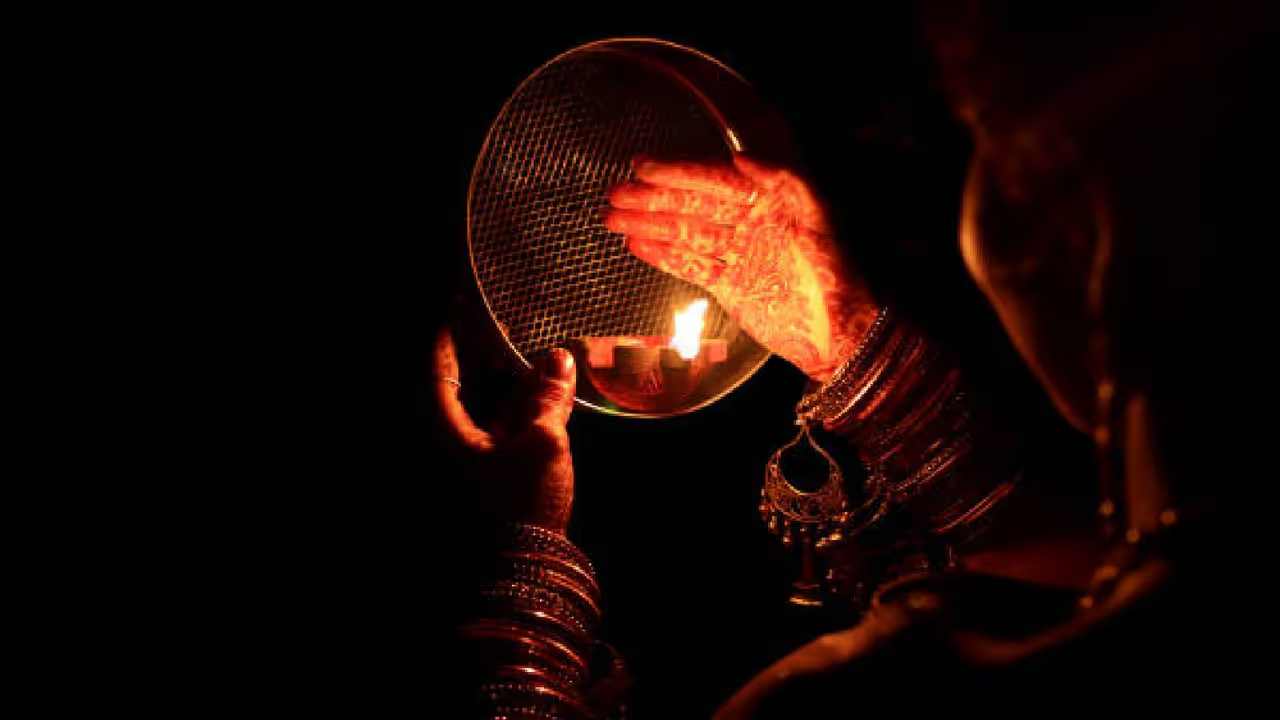
A fatal electrocution of a man on Karwa Chauth sparked online outrage after his family blamed his grieving wife. A medical intern shared on Instagram that the mother repeatedly questioned if the wife had broken her fast, linking it to the tragedy.
A tragic incident involving a man's death on Karwa Chauth has sparked outrage on social media after his family allegedly blamed his wife for the tragedy, questioning whether she had broken her fast. The incident came to light through a social media post shared by a medical intern who claimed to have witnessed the distressing episode while on emergency duty at a hospital.
According to the intern's account, the man was brought to the hospital on October 29 after suffering a fatal electric shock. His wife, who had reportedly observed the traditional Karwa Chauth fast for his long life and well-being, was present at the hospital following his death.
However, instead of offering comfort to the grieving woman, her mother-in-law allegedly began questioning whether she had eaten anything during the fast. The intern claimed that the woman repeatedly asked her daughter-in-law, "Tune kuch khaya hai pakka?" (You must have eaten something, right?).
Watch the viral video here:
The wife, who was already devastated by her husband's death, reportedly denied breaking her fast while crying. Other family members allegedly joined in questioning her and suggested that the tragedy was connected to her having eaten during the religious observance.
The intern expressed shock at the family's reaction, pointing out that the man had died due to electrocution and that his wife's fasting practices had no connection with the incident. The account also raised questions about the persistence of superstitious beliefs and the unfair expectations placed on women.
The post, reportedly shared on Instagram by Dr Akansha Singh, triggered strong reactions online. One social media user commented, "Society loves to blame a woman." Others criticised the tendency to hold women responsible for circumstances beyond their control and expressed sympathy for the grieving wife.
The incident has reignited conversations about superstition, gender-based blame and the pressure women face in the name of tradition. However, Times Now noted that it could not independently verify the details of the incident or the authenticity of the viral social media post.




