A young tech enthusiast has brought a slice of the Marvel universe into his bedroom by building a DIY smart-home assistant named ‘Jarvis’.
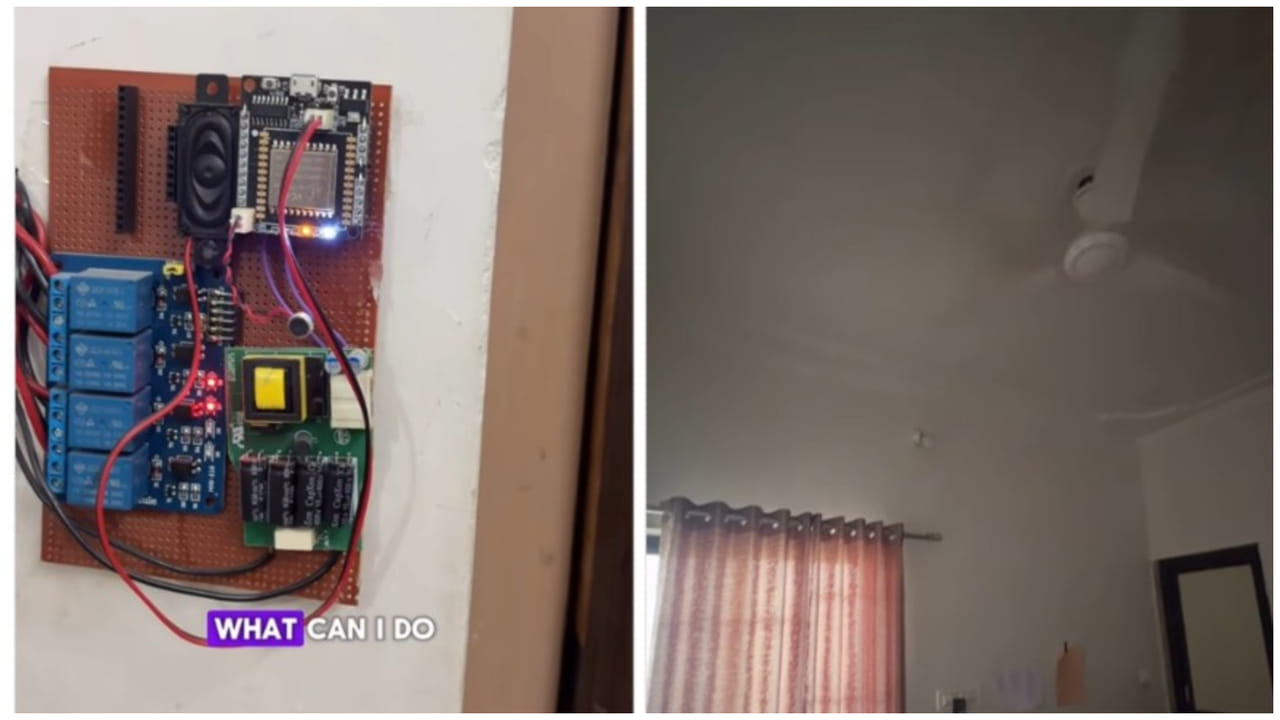
A young tech enthusiast has brought a slice of the Marvel universe into his bedroom by building a DIY smart-home assistant named ‘Jarvis’. The innovative device can switch lights on and off, operate fans and even activate dedicated room settings such as study mode, all through voice commands and without requiring an internet connection.
Tech creator Ridit Kumawat showcased his impressive creation in an Instagram video, demonstrating how the compact device responds to voice instructions. Installed beside his room’s switchboard, the setup allows him to control multiple electrical appliances simply by speaking. A command to switch off the lights triggers an instant response, while another switches them back on or activates the fan.
Related Articles

However, the device is not limited to basic voice-controlled operations. It also features preset settings such as ‘Study Mode’ and ‘Goodnight’, allowing users to control multiple appliances simultaneously with a single voice command. Instead of manually operating individual switches, users can simply ask Jarvis to configure the room according to their needs.
The name ‘Jarvis’ is likely to strike a chord with Marvel fans. In the Iron Man franchise, JARVIS is the artificial intelligence assistant developed by Tony Stark, helping him manage his advanced technology and operate various systems. Kumawat appears to have drawn inspiration from the fictional AI, creating a practical, bedroom-sized version of the iconic assistant.
Unlike popular smart-home assistants such as Amazon Alexa and Google Home, which typically rely on cloud-based services to process voice commands, Kumawat's Jarvis does not require an internet connection. This means users can operate their household appliances without transmitting voice instructions to external cloud servers.
The offline functionality gives the project an additional edge, particularly for those looking for smart-home convenience without depending on internet connectivity. It also offers an interesting alternative for people concerned about sending their voice commands to cloud-based platforms.
Kumawat has also indicated that he intends to make the complete project and its repository available on GitHub.